 Family of Sites
Poetry and tongue twisters can be a great way to improve both your vocabulary and pronunciation in Russian! In Russian, tongue twisters are known as as “скороговорки” (which means something like “fast-sayings”). Below are several скороговорки that are fairly well known in Russia and are often used for “training the tongue.”
1. На горке горько ревет Егорка.
Transliteration: Na gorke gor’ko revet Yegorka.
Translation: On the hill, Egorka wails bitterly.
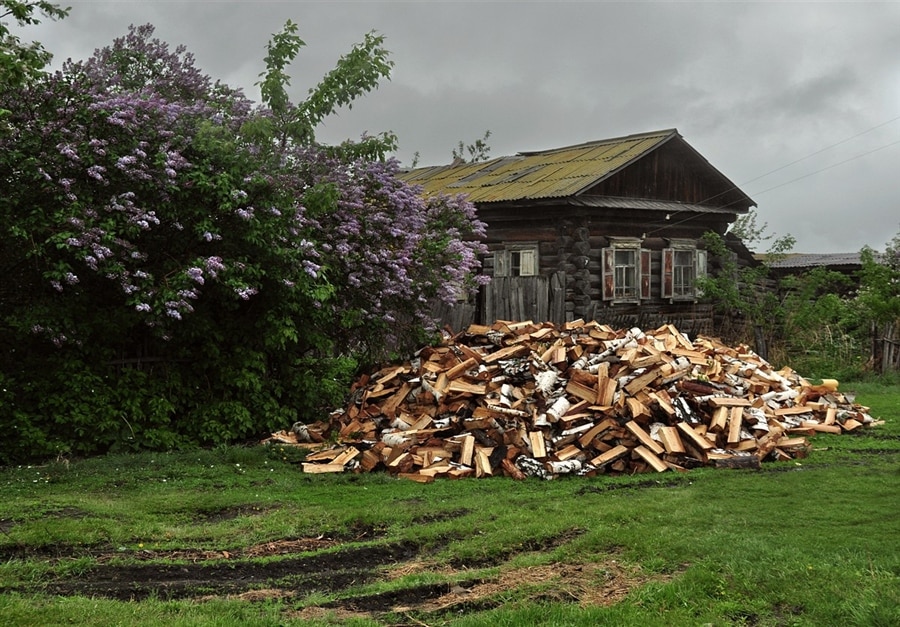
2. На дворе трава, на траве дрова. Не руби дрова на траве двора.
Transliteration: Na dvore trava, na trave drova. Ne rubi drova na trave dvora.
Translation: There is grass in the yard, and firewood on the grass. Do not chop firewood on the grass in the yard.
3. Проворонила ворона вороненка.
Transliteration: Provoronila vorona voronenka.
Translation: The crow lost track of her fledgling.
4. Корабли лавировали, лавировали да не вылавировали.
Transliteration: Korabli lavirovali, lavirovali da ne vylavirovali.
Translation: The ships tacked and tacked, but failed to tack their way through.
5. Карл у Клары украл кораллы. Клара у Карла украла кларнет.
Transliteration: Karl u Klary ukral korally. Klara u Karla ukrala klarnet.
Translation: Karl stole corals from Clara. Clara stole Karl’s clarinet.
6. Щипцы да клещи – вот наши вещи.
Transliteration: Щипцы да клещи – вот наши вещи.
Translation: Tongs and pincers—these are our tools.
7. Цапля чахла, цапля сохла, цапля сдохла наконец.
Transliteration: Tsaplya chakhla, tsaplya sokhla, tsaplya sdokhla nakonets.
Translation: The heron pined, the heron withered, and finally, the heron died.
8. Пол мыла Лара, мила Ларе помогала.
Transliteration: Pol myla Lara, mila Lare pomogala.
Translation: Lara was washing the floor; Mila was helping Lara.
9. Ехал Грека через реку, видит Грека в реке рак, сунул Грека руку в реку, рак за руку Греку цап.
Transliteration: Yekhal Greka cherez reku, vidit Greka v reke rak, sunul Greka ruku v reku, rak za ruku Greku tsap.
Translation: Greka was crossing a river; Greka saw a crayfish in the river. Greka dipped his hand into the river—and the crayfish snapped at Greka’s hand.
10. Щетинка у чушки, чешуйка у щучки.
Transliteration: Shchetinka u chushki, cheshuya u shchuchki.
Translation: Bristles are on a piglet, scales on a pike.
11. Жук жужжит и встать не может. Ждет он, кто ему поможет.
Transliteration: Zhuk zhuzhzhit i vstat’ ne mozhet. Zhdet on, kto yemu pomozhet.
Translation: The beetle buzzes, unable to rise; he waits for someone to help him.
12. Волки рыщут, пищу ищут.
Transliteration: Volki ryshchut, pishchu ishchut.
Translation: The wolves prowl, searching for food.
13. Мишка шапкой шишки сшиб.
Transliteration: Мишка шапкой шишки сшиб.
Translation: Mishka knocked down the pine cones with his hat.
14. Маша дала Ромаше сыворотку из-под простокваши.
Transliteration: Masha dala Romashe syvorotku iz-pod prostokvashi.
Translation: Masha gave Romasha the whey from the sour milk.
15. Если руки мыли вы, если руки мыли мы, если руки вымыл ты, значит руки вымыты.
Transliteration: Yesli ruki myli vy, yesli ruki myli my, yesli ruki vymyl ty, znachit ruki vymyty.
Translation: If you washed your hands, if we washed our hands, if you washed your hands—then the hands are washed.
You’ll Also Love
Resources for Students of Russian
This extensive list of web resources to assist students learning the Russian language was developed by SRAS and is now hosted on Folkways, part of the SRAS Family of Sites! Disclosure: Some of the links below are affiliate links. This means that, at zero cost to you, we will earn an affiliate commission if you […]
Kupala: Ancient Slavic Midsummer Mythology and its Modern Celebration
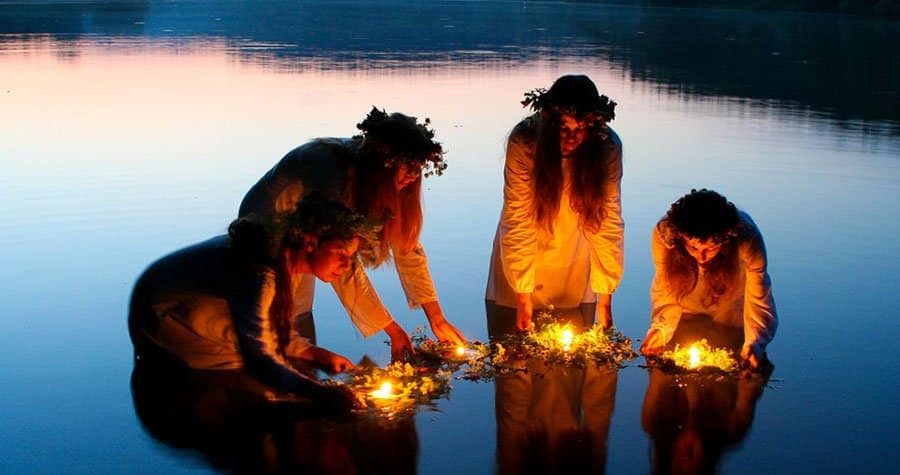
Kupala is an ancient Slavic holiday celebrating the summer solstice, or midsummer. Once part of a series of annual rituals, it marked and was believed to sustain agricultural cycles—essential to early human survival. Held as vitally important, these pagan traditions remained deeply rooted even after Christianization, technological change, and centuries of oppression tried to dislodge […]

New Year Holiday Celebrations: Vocabulary and History
In Russian, New Year is the major celebration of the year. Picture it as Christmas, New Year, and the Fourth of July combined. There are presents, decorated trees, a mythical bearded gift-giver, fireworks, toasts, food, and the grand New Year countdown celebrated at midnight – all associated with this one holiday. Russians are even typically […]

Russian MiniLesson: Russian Grammar Terms and Related Russian Vocabulary
Russia’s is different from what is typically found in the USA. While occur in both Russia and America, it is much more common for Russian teachers to be and perhaps . Wrong Example: Right Example: may make seemingly sarcastic remarks regarding a student’s performance, for example. Writer Anton Chekhov described this in his 19th century […]

Russian MiniLessons: Truth is not truth – Правда, да не истина!
The following bilingual Russian MiniLesson is meant to build your vocabulary by providing Russian phrases within English text. Hover over the bold Russian to reveal its English translation. Russian has two distinct words for truth, although both can be translated to English as simply “truth.” “Правда” is generally thought of in the same context as […]