 Family of Sites
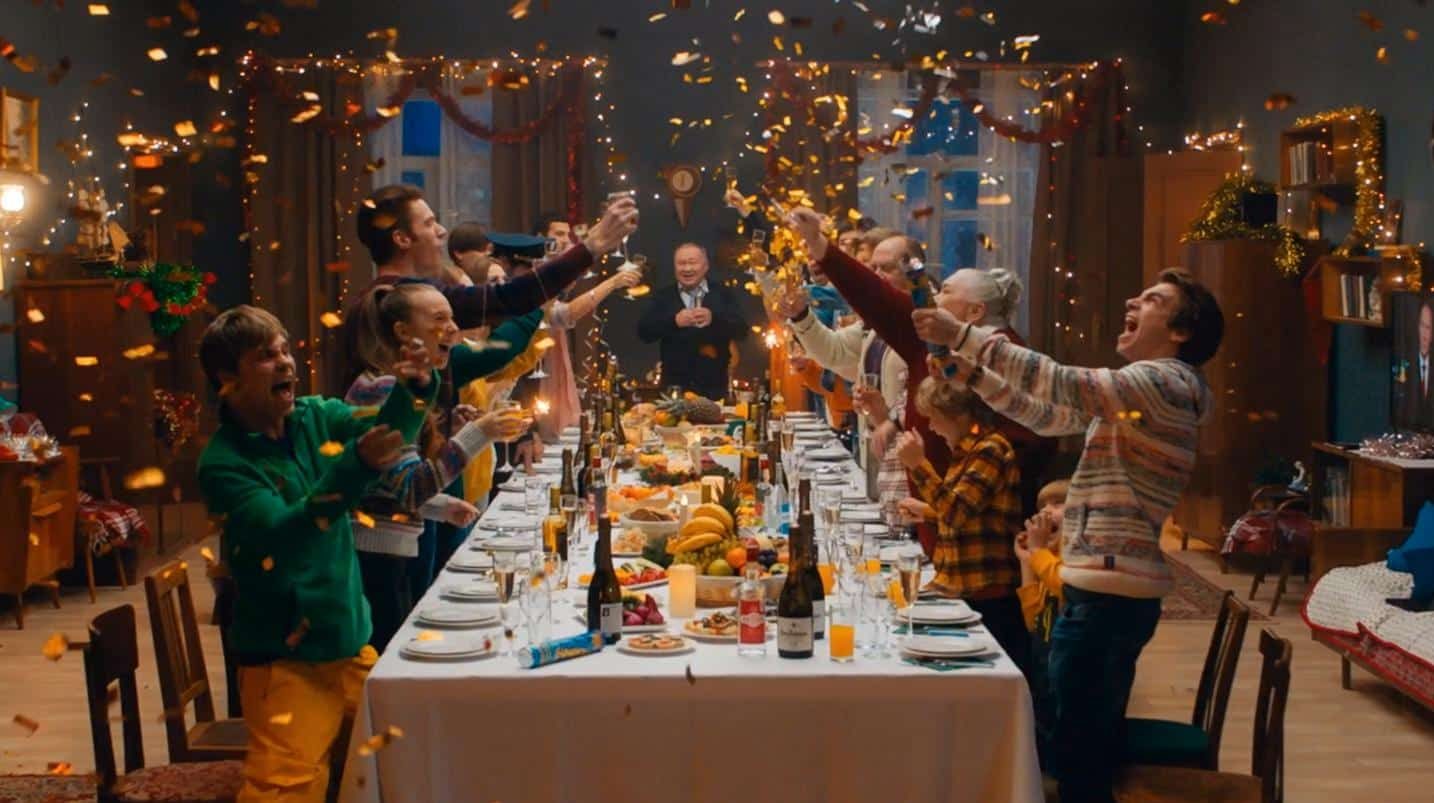
In Russian, New Year is the major celebration of the year. Picture it as Christmas, New Year, and the Fourth of July combined. There are presents, decorated trees, a mythical bearded gift-giver, fireworks, toasts, food, and the grand New Year countdown celebrated at midnight – all associated with this one holiday. Russians are even typically given eleven days off to celebrate which they use to visit family, spend time at the time dacha, watch classic movies, or even travel.
Russian folk belief, still seen as tradition by many, holds that one must toast at midnight and that those with whom you toast will be near you for the rest of the next year. Most of the celebrations occur on New Year’s Eve (on December 31) while the holiday day (January 1) itself is largely a time for relaxing.
This resource combines language and cultural learning. The first section is a bilingual Russian-English text, with Russian phrases embedded in the English to build the vocabulary of Russian learners within a historical and cultural context. The second section features reflections by American students who observed New Year celebrations in Russian-speaking cultures – including in Kyrgyzstan, Armenia, and Russia.
History and Vocabulary
In most of the Western world, Christmas is celebrated on December 25 and is one of the most popular holidays of the year. Families gather to обменяться подарками (exchange presents). In Russia, however, Christmas is mainly observed as a религиозный праздник (religious holiday), and is celebrated, в соответствии с российской православной традицией (according to the Orthodox tradition), on January 7. The most popular holiday in Russia is without a doubt New Year’s. Many Russians с нетерпением ждут новогодних праздников (can’t wait for the New Year’s holidays), as this time is often the самое яркое событие года (most outstanding event of the year).
Western Christmas and Russian New Year: Similarities and Differences.
Many traditions that ассоциируются с Рождеством (are associated with Christmas) in Europe and the US are associated with New Year’s in Russia. For example, almost all Russian families will наряжать ёлку (decorate a fir tree) for New Year’s, similar to the tradition of decorating a Christmas tree in the West. Several традиции празднования Нового года (New Year’s traditions) came to Russia from other countries. Some sources say that новогодняя ёлка (the New Year fir-tree) came from Germany, and the tradition of наряжать ёлку (decorating the fir-tree) came from France. For much more on the Russian holiday tree tradition, with still more vocabulary, language, and history, see this lesson from Моя Россия, also on this site.
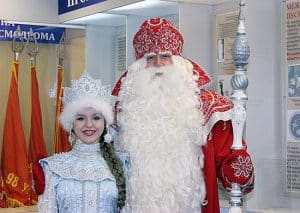
Just as children in the West anxiously wait for Santa Claus to bring them presents, Russian children expect подарки от Деда Мороза (gifts from Grandfather Frost). Дед Мороз путешествует на тройке (travels on a troika) – a traditional Russian carriage driven by three horses. He travels with his внучка Снегурочка (granddaughter, the Snow Maiden), and appears after его три раза позовут (he is called three times). It is fairly common now for parents in Russia to hire actors from an agency to play Дед Мороз and Снегурочка at family holiday parties. The actors are asked to вручить подарок (give a present) and often развлечь детей играми (play games with the children). The characters are also hired to come to schools, work places, and can be found roaming the city festivals that also occur in nearly every major Russian city and town.
Little children, as a rule, верят в Деда Мороза (believe in Grandfather Frost), just as many Western children believe in Santa Claus. They долго готовятся (spend a long time preparing) for his arrival: children наряжаются (dress up), often in their best clothes or in carnival-like costumes and учат стихотворение или песню (learn a poem or a song) for Дед Мороз, who gives them presents as a reward for their performance. At schools, children have a новогодний вечер (New Year’s evening party) or, for younger children, a ) новогодний утренник, where they водят хороводы вокруг ёлки (sing and dance around the fir-tree) and play забавные игры (funny games). Many theaters will also offer special ёлки, a term that literally means “fir trees,” but refers to a specific type of party and performance. These are always holiday themed, geared for children, and часто, но не всегда, являются интерактивными (often, but not always, interactive).
Above: a video of a Russian утренник, a New Year event held at most Russian schools. The children most often act as both performers and audience members in an event that often lasts about an hour.
If Дед Мороз does not come in person, he brings presents at night and кладет подарки под ёлку (puts the presents under the tree). Дед Мороз is usually pictured as using the front door or entering by magic. This is one way that he differs from Santa Claus in the West who is спускается из камина и оставляет подарки под деревом (coming down the chimney and leaving presents under the tree).
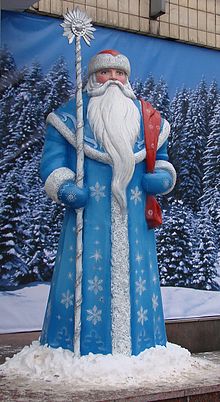
Дед Мороз носит расшитая шубу с атласным поясом (wears a fir-coat with a satin belt), расшитые рукавицы (embroidered mittens), and сафьяновые сапоги (loose leather boots) or валенки (Russian felt boots). He carries a посох (staff), which is usually described as magical. Unlike many images of Santa in the West, Дед Мороз не носит очков (Grandfather Frost doesn’t wear glasses) and обходится без эльфов (has no elves). He is also usually pictured as a very tall and fit man, despite his age.
New Year Foods
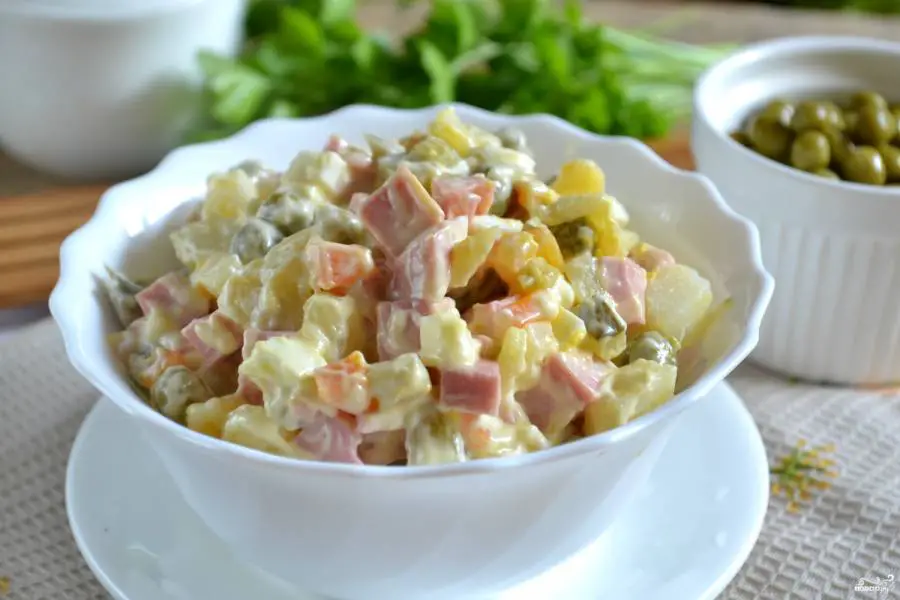
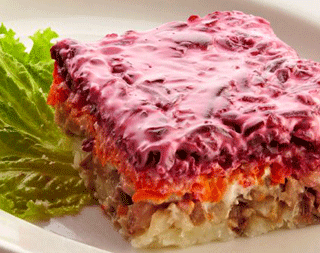
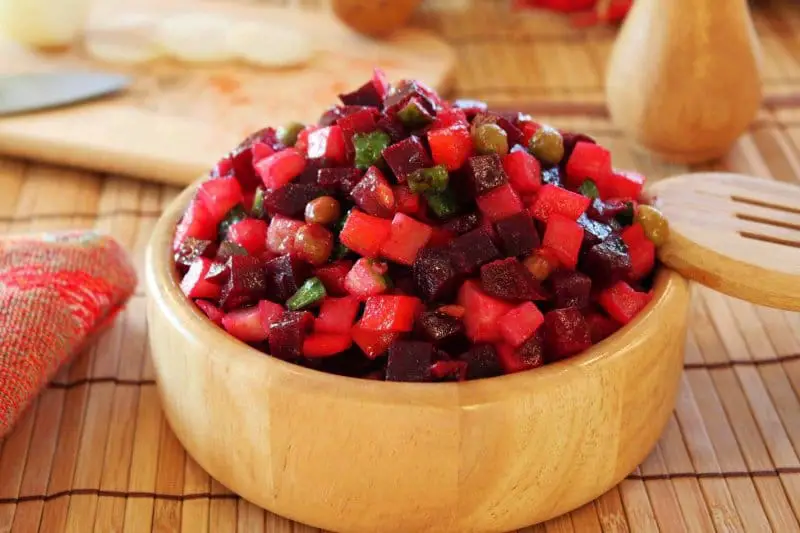
The New Year holiday is heavily associated with food. New Year’s meals in Russia often consist of several salads and perhaps one or two main dishes. Салат «Оливье» (Olivier salad) and Сельдь «под шубой» (herring “under a fur coat”) are two staples of the holiday, to be found on nearly every table. Салат «Оливье» делается из нарезанного кубиками картофеля, овощей, яиц, ветчины, отварной курицы или говядины, и заправляется майонезом (Olivier is made with diced potatoes, vegetables, eggs, ham, cooked chicken or beef, and mayonnaise as a dressing). Для сельди «под шубой» нарезанная кусочками сельдь покрывается слоями отваренных и натертых на терке овощей: картофеля, моркови и свеклы, с добавлением майонеза. (Herring under a fur coat is small pieces of pickled herring under several layers of boiled, shredded vegetables such as beets, potatoes, and carrots, which are bound with mayonnaise).
Mандарины (tangerines) are also associated by many Russians with the holiday. Oranges, tangerines, plums, and other fruits were also once special and expensive (and expensive) holiday treats in the West. However, advances in transport and storage technology helped reduce the price of fruit in winter and the West largely abandoned the tradition by the mid-20th century. In Russia, however, the Soviet government often imported tangerines specifically for the holiday until the late 20th century, helping to maintain the tradition in Russia.
Where to Celebrate the Magic of the New Year
As for adults, большинство людей празднуют Новый год дома или на даче (most people celebrate at home or at the dacha), most often with a lot of food and a few presents. Often, the TV will be on in the background, playing classic movies such as Ирония судьбы, или С легким паром! (The Irony of Fate, or Enjoy Your Bath!) or special variety programs that aired with very limited commercial breaks thanks to one sponsor that usually gets generous product placement during the show. The most popular of these is called, appropriately, Оливье Шоу (Olivier Show).
Some Russians prefer to выйти в свет (go out). Молодежь любит собираться большими шумными компаниями (young people like to get together in big noisy groups), ходить в гости (pay visits to friends), or отмечать этот праздник в ресторанах, в лесу, на площадях и улицах своих городов у украшенных ёлок (celebrate this holiday in restaurants, in the woods, in their city’s squares and streets around decorated trees). New Year’s Eve spent at a club or restaurant will usually be quite expensive and places must be reserved weeks in advance. For Muscovites, it is increasingly popular to go to Suzdal or some other town near Moscow to встретить Новый год (bring in the New Year), where the experience is cheaper and more rustic.
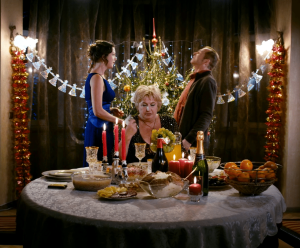
Another New Year’s tradition is the новогоднее обращение главы государства к народу (president’s New Year’s address to the people). Shortly before midnight, the country’s president выступает с коротким обращением (gives a short address) which is carried on several national channels. The picture then shifts to show кремлевские куранты бьют полночь (Kremlin bell towers strike midnight). At this time, люди встают из-за стола и чокаются бокалами с шампанским (people get up from the table and clink glasses with champagne), and some people кричат «Ура!» (yell, “Hurray!”).
In some families, people пишут на бумажках желание (write their wishes on paper) and then глотают бумажки (swallow the paper), or just загадывают желание (make a wish). В России на Новый год возлагают особые надежды (in Russia, people have special hopes at the New Year), и независимо от социального положения и возраста в этот день ждут чуда (and regardless of social status and age, they expect miracles on that day). In fact, a whole series of movies were set up around this belief. Appropriately called “Ёлки (Fir Trees),” the films bring together a wide range of characters through complicated plot lines that end up fixing families, finding love, bringing joy, and a whole host of other miracles.
SRAS Students Observe New Year Celebrations Abroad
A few SRAS students, on academic year programs abroad, chose to stay through the holiday season. They are rarely disappointed. Below are some of their observations on what they witnessed while abroad.
Most of these are fairly old. Since the high-inflation COVID era, fewer students can afford to study abroad on year-long programs. Most of these are also in locations now discontinued by SRAS due to the ongoing war between Russia and Ukraine. Still, New Year’s traditions are remarkably enduring, and these experiences, even those from nearly two decades ago, remain largely representative of what can one can expect to see in these places today.
Mikaela Peters – Armenia, 2019-2020
Mikaela Peters, at the time she wrote for this site, was a student at Rutgers University in New Jersey, where she studied Business Analytics & Information Technology, Russian, and European Studies. She was preparing to study Russian and Central Asian Studies in Kyrgyzstan during the 2019-2020 academic year with SRAS. Mikaela decided to seriously study Russian after visiting NASA in 2015, where she has since interned. Mikaela’s desire to enter into a career that will utilize her Russian skills while supporting the U.S. government motivated her to apply and ultimately win a Boren scholarship.
Studying in Bishkek for the academic year, I took advantage of winter break to visit my host family in Armenia from a previous study abroad experience. This gave me my first opportunity to see how New Year’s is celebrated in this part of the world: the setting up of the New Year’s tree and other preparations, the crowds shopping for New Year’s presents, and the celebration itself.
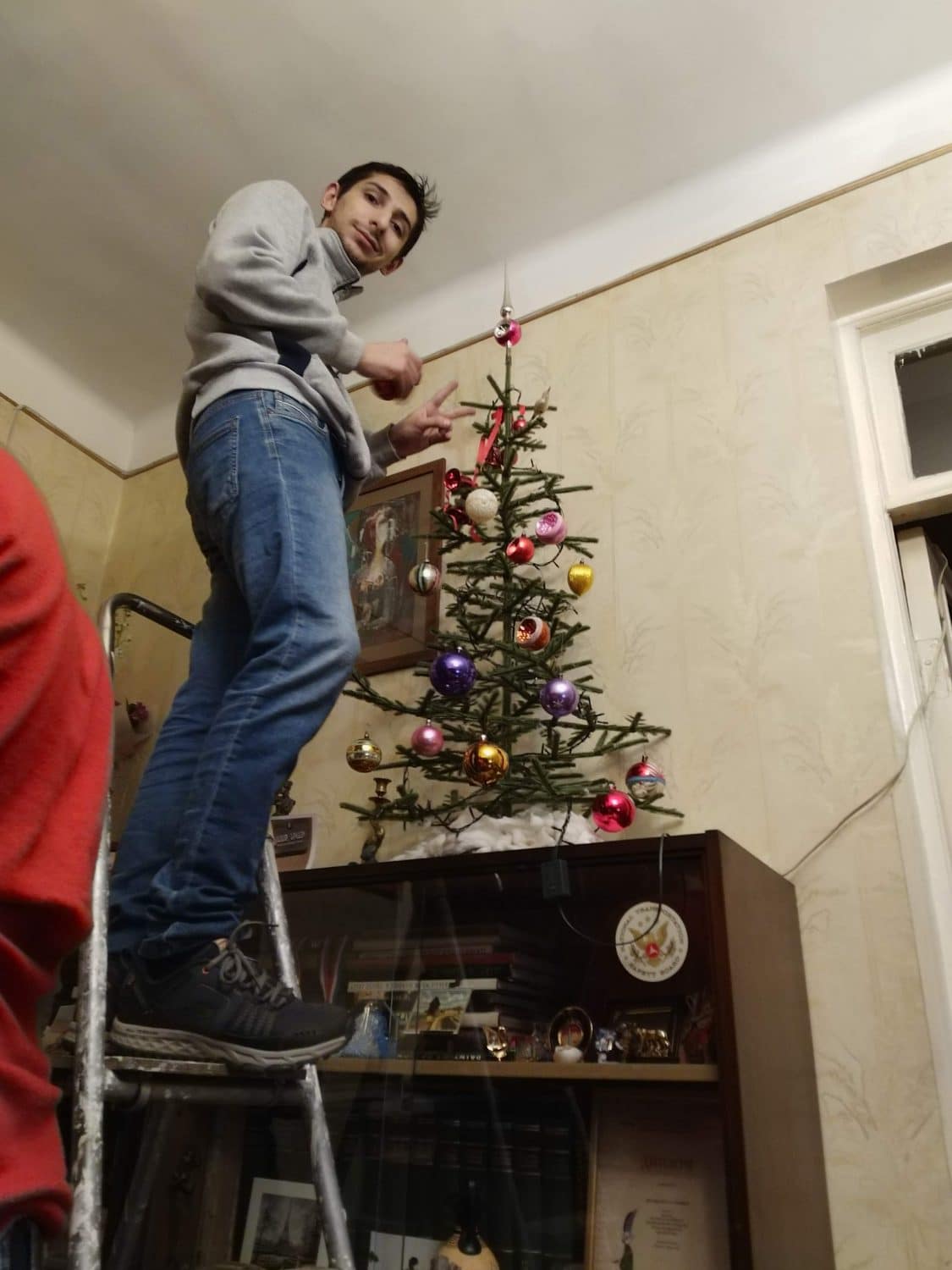
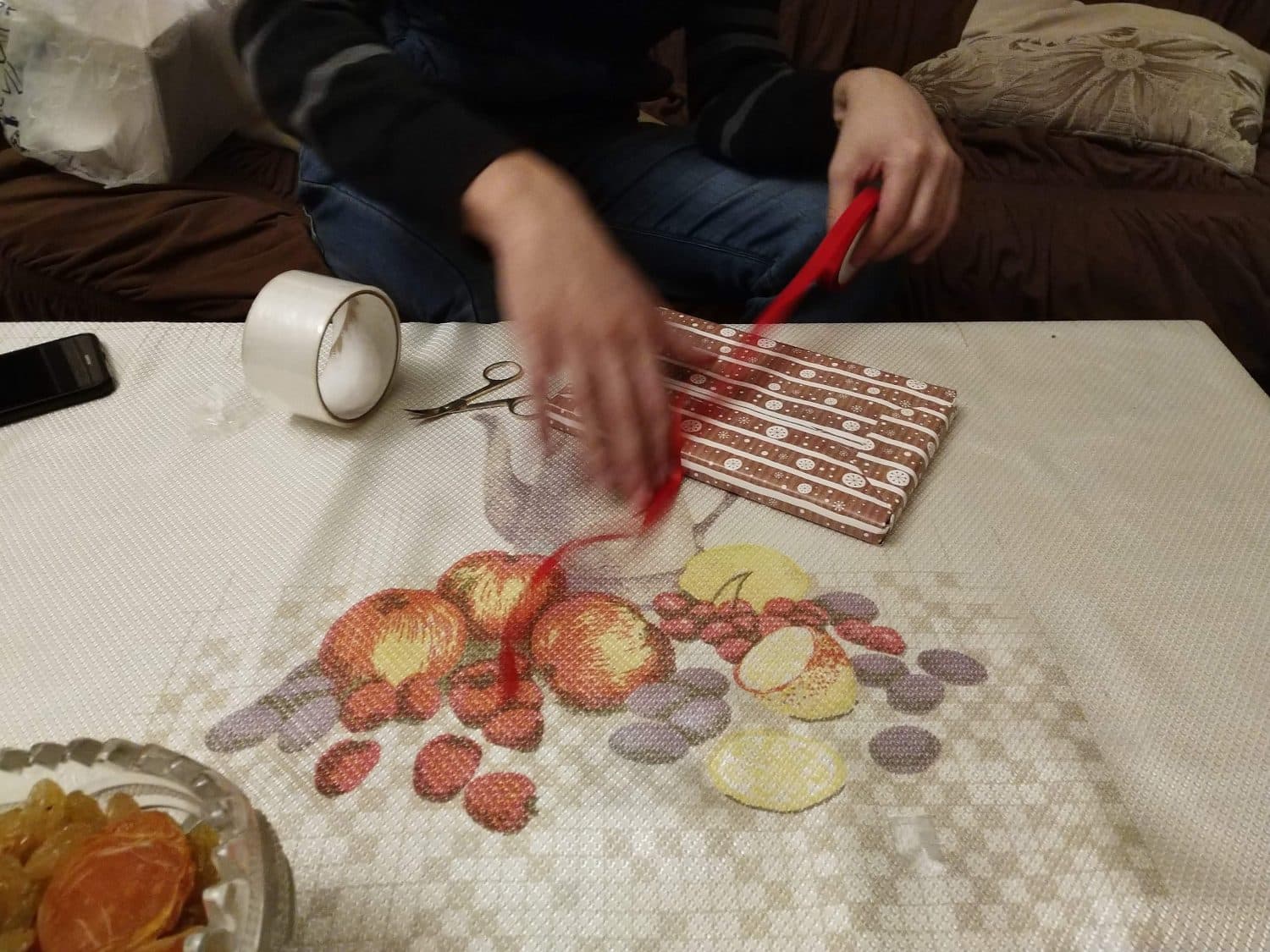
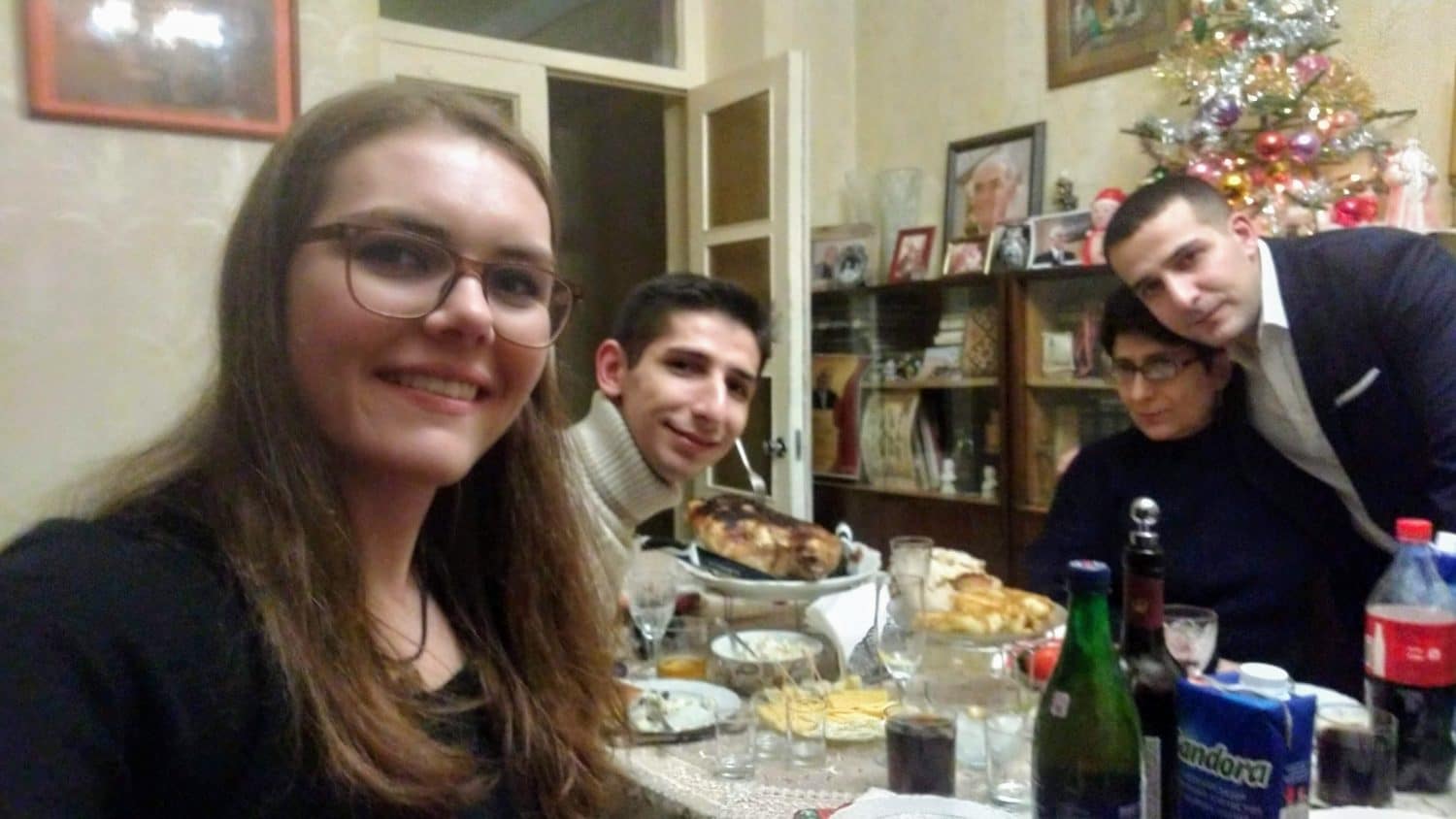
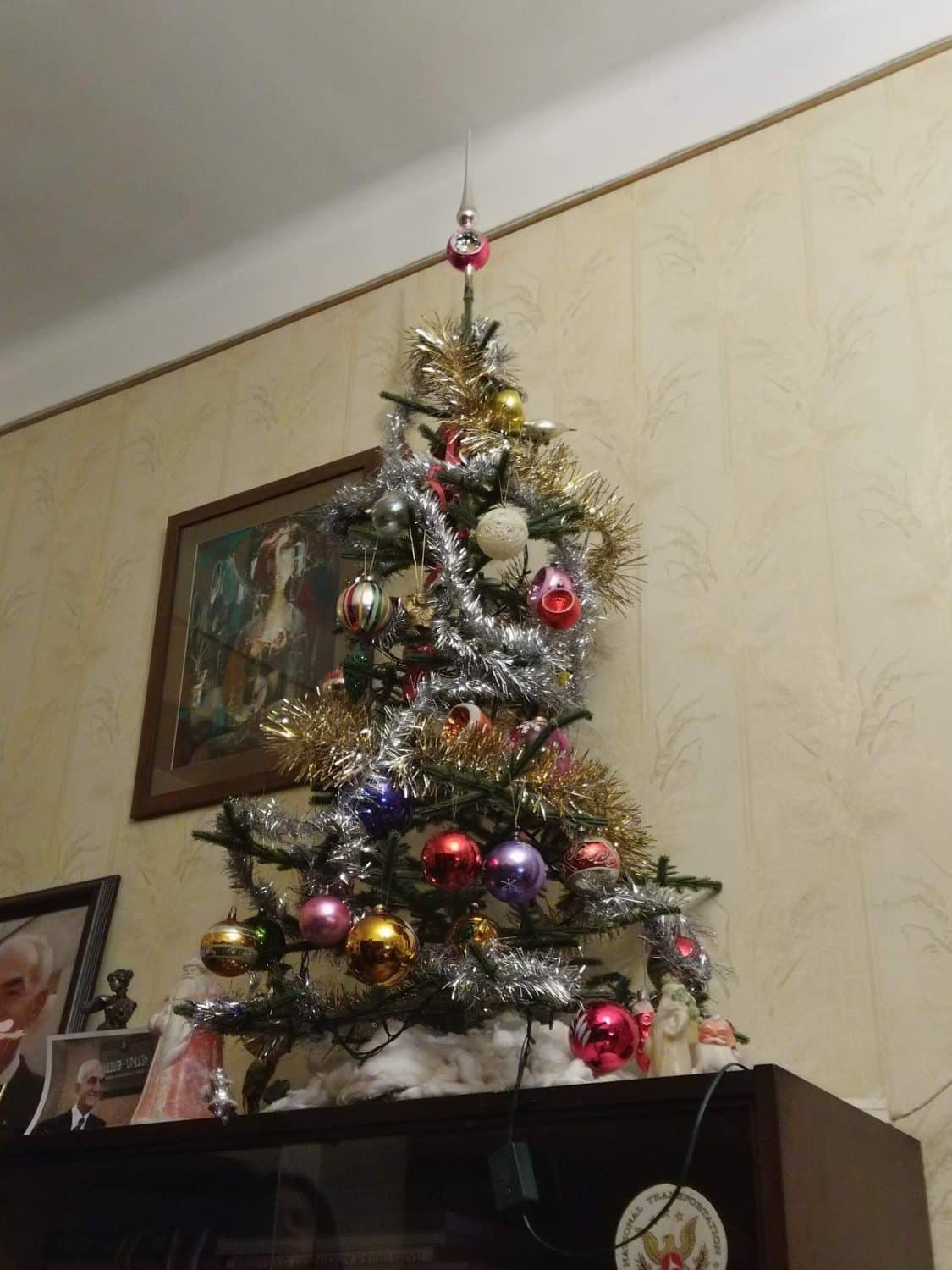
I arrived in Armenia on Saturday, December 21. On this evening, my host family began setting up their New Year’s tree. These trees look just like what Americans would call a Christmas tree, but on this side of the world, such trees are for New Year’s, not Christmas. My host family has had their artificial tree and ornaments since my former host mom was a young girl in the USSR, making them more than fifty years old. Setting up the tree was a special event – to be shared with family and friends. As often is the case, a couple of my host brother’s friends came over and, all together, we set up the tree and added a few decorative lights around the living room.
Besides decorating, holiday preparations didn’t start until a day or two before New Year’s. Then, the streets were stuffed with people doing last-minute shopping for gifts and food. New Year’s Eve is the major gift-giving holiday here, while Christmas, celebrated on January 6 according to Armenian Orthodox tradition, is a religious holiday with few commercial aspects. Most New Year gifts are given on the 31st or within the next couple of days after. However, gift giving will continue through the holiday season, which lasts until January 13, known in this part of the world as the “Old New Year.” The church still uses the Julian calendar, which is currently 14 days ahead of the Georgian, which most of the world uses.
Most people have almost the entire week off starting from New Year’s. This time will be used to visit friends and family and, on this first meeting of the year, gifts are often exchanged. People go from house-to-house, visiting friends and family and feeding each other with the massive amounts of leftovers from New Year’s.
As is typical in the region, my host mom started preparing food the day before and continued into the day itself. Every year, she cooks a pork leg, which needs to first be steamed, and then roasted. In addition, she prepared many other treats, such as many kinds of dried fruit, a selection of assorted meats and cheese, Armenian potato salad (with dill, mayonnaise, and vegetables, similar to what I’ve experienced in Kyrgyzstan), tomatoes, cucumbers, Armenian lavash bread. Also featured on the table was just about every form of alcohol that one could imagine.
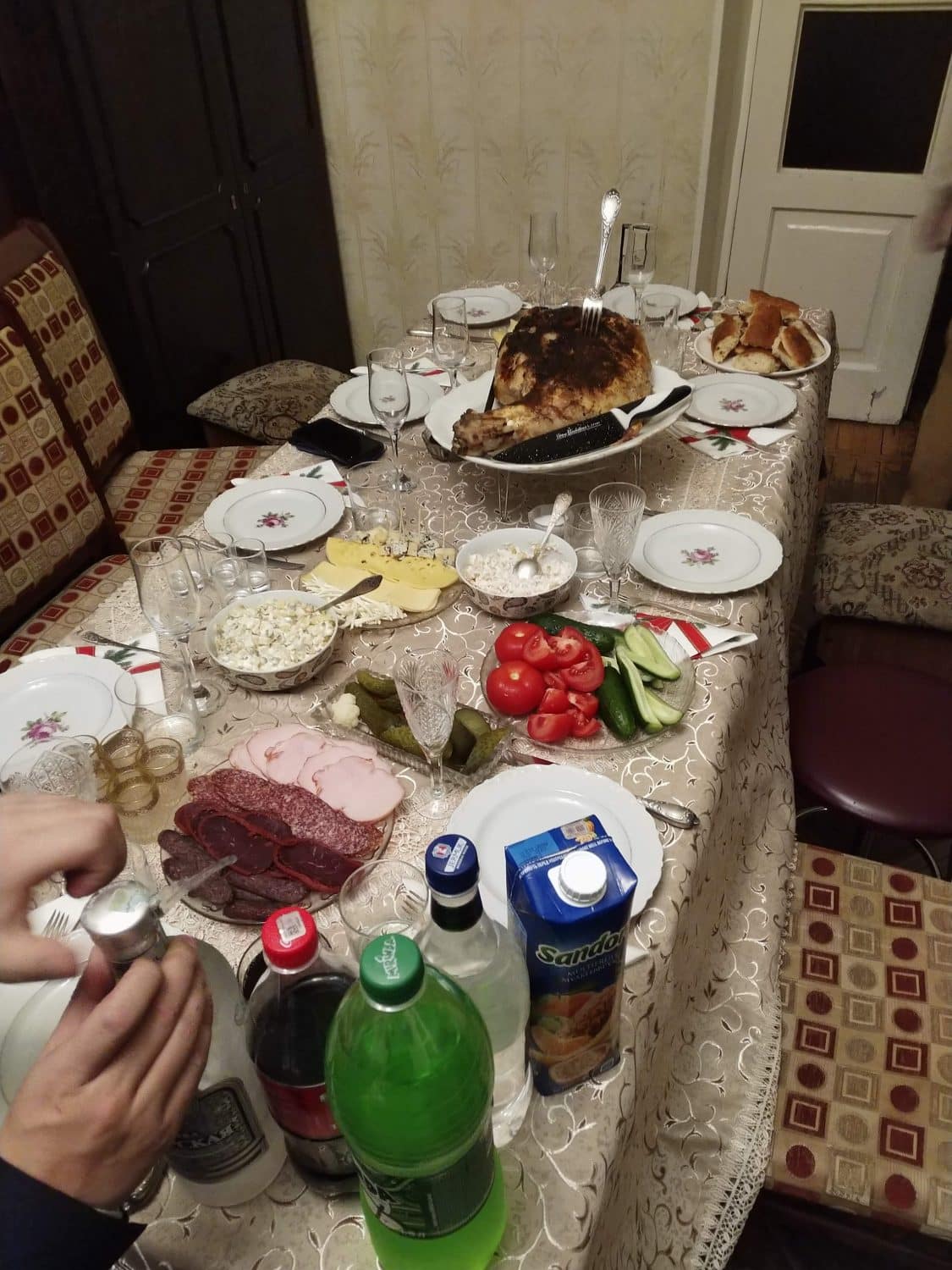
With ten minutes remaining of the previous year, we all gathered around the table – myself, my host mom, and two host brothers. Within these last few minutes, drinks must be poured and toasts prepared.
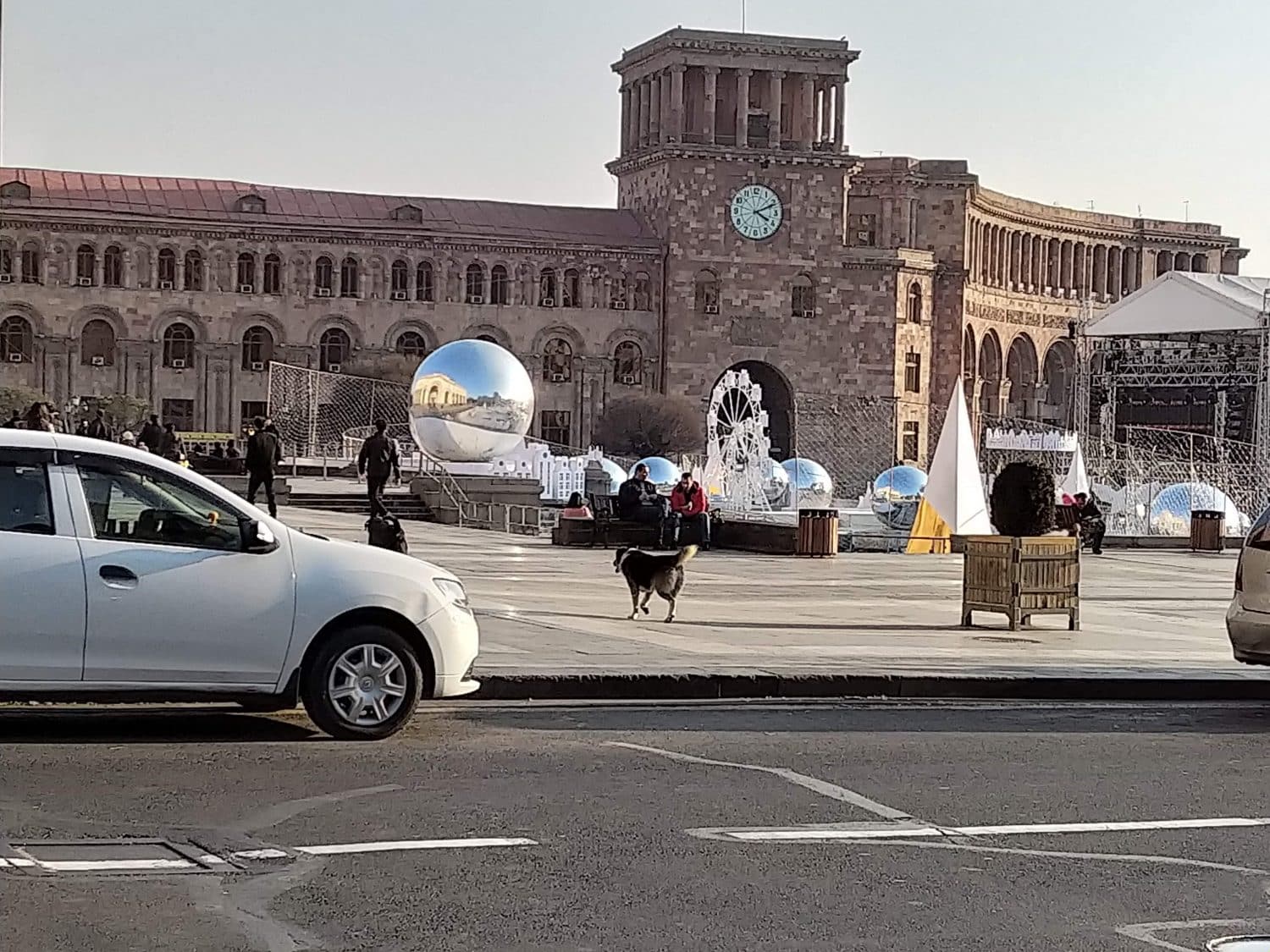
Most people in Armenia, like in America, see the New Year in with family and friends at their homes. However, some prefer to go out and the main place to see the New Year outside is Republic Square in Yerevan. During the winter, the square is filled with festive holiday decorations, such as larger-than-life ornaments and New Year’s trees. The main tree in the city center was enormous, with a bridge leading to it, so that people could stand on it and take pictures with the tree in the background. Similar to Time Square in New York City, an absurd amount of people crowded the surrounding streets and the news channels of Armenia broadcast the events taking place in Republic Square for the Armenians sitting at home to simultaneously celebrate.
In Armenia, the Prime Minister will deliver a short speech in the last minutes of the New Year. Then, the giant clock in Republic Square is displayed, showing the last few seconds of the New Year.
With the New Year upon us, sitting around the table, the toasts began. There are a long series of toasts that are made in ritual order. For instance, the third toast of the evening is always made to parents. Nearly all of the toasts wish health and happiness to some person or group.
After probably about an hour or so, my host brother’s cousin and three of his closest friends arrived and joined us in eating, drinking, and toasting. It was at this time that everyone was speaking exclusively in Armenian, rather than Russian, and therefore, I didn’t entirely comprehend what was going on for most of the rest of the evening, unless someone took the time to translate for me. I ended my evening at 4 AM, which was considered dipping out a little early, as everyone continued the festivities.
More Armenians live abroad than actually live in Armenia. Many, however, will come back for the holidays. And so, the next day, two sets of visiting relatives from Russia arrived to visit and gather around the table.
Although the population likely goes up for the holiday, Yerevan seemed a much smaller city over the period. The streets were nearly empty with the weeklong holidays and everyone inside, eating and socializing. Most establishments were closed, with only a few staying open to cater to tourists. As I entered the airport to leave Armenia on January 3, a Friday, I was shocked at how empty the airport was. Obviously, for those who had come to visit for the holidays, visits were still in full swing.
New Year’s in Armenia is not just a marking of the New Year. It is a time of year to get together with loved ones and to display an even more grandiose version of Armenian hospitality.
Lucy Harnish – St. Petersburg, 2018-2019
Lucy Harnish has an English Literature degree with a double minor in Russian Culture and History from McGill University in Montreal, Quebec, Canada. At the time she wrote for this site, Lucy was spending two semesters with SRAS studying Russian as a Second Language in St Petersburg, Russia. Lucy hoped that by the end of her time in St Petersburg she would be able to reread the works of Turgenev, Dostoyevsky, and Tolstoy in the Russian language. She planed to utilize the experience she gained while studying abroad to pursue a degree in journalism.

Upon my arrival to St Petersburg, Russia in September, I was fully aware that I would be spending the holidays in a foreign country. This was because roundtrip flights back to North America are expensive, especially during the holiday season. The only reassuring thing about being away from my family in Canada during the holidays was that I knew I would have over a month long break between semesters that would allow me to travel within Russia, which was something I was looking forward to.
In Russia, the holiday season starts on New Year’s and runs through the first week or more of January. Since the Russian Orthodox Church follows the Julian calendar, the birth of Jesus Christ falls on the day we call January 7 by our Gregorian calendars (the Julian is two weeks ahead of the Gregorian). This means that unlike in my native Canada, where things close on December 24 and remain closed until the shopping spree that is Boxing Day (the day after Christmas), everything is open in Russia until New Year’s Eve.
In Russia, celebrating the New Year is far more important than Christmas. Although some Russians go to clubs or major public squares to ring in the New Year, most do this at home with family. Typically, a family gathers for a large meal and watches the clock strike midnight on Red Square on the television. It is also on New Year’s Eve that Ded Moroz (Russia’s version of Santa Claus) delivers gifts to children.
Christmas is a purely religious holiday in Russia. Traditionally, Russians celebrate Christmas Eve with a feast that consists of 12 dishes to represent the 12 disciples of Jesus. This is followed with either prayers or a trip to a late service at church (typically beginning at midnight). However, most Russians, while identifying as Russian Orthodox, don’t directly celebrate the holiday – although it is still usually a day off because of the extended New Year’s holiday that give Russians an extended vacation of usually 9-11 days.
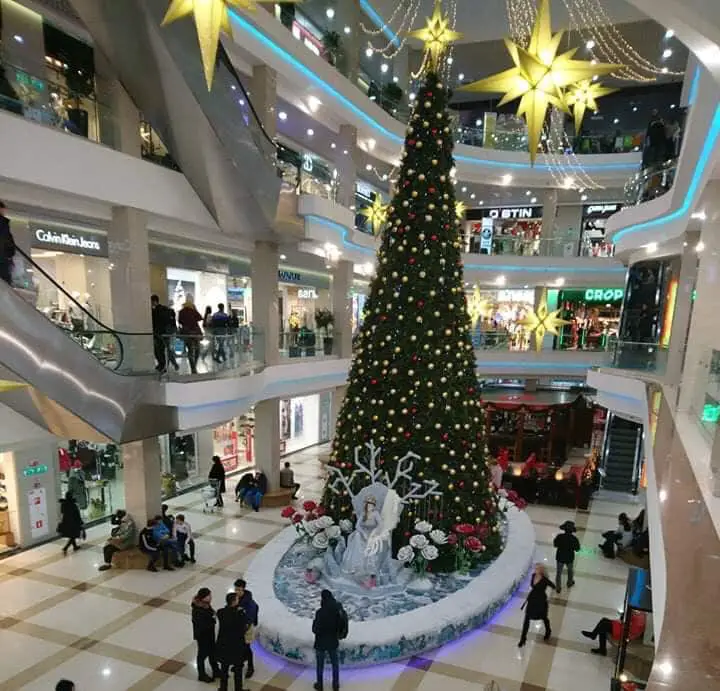
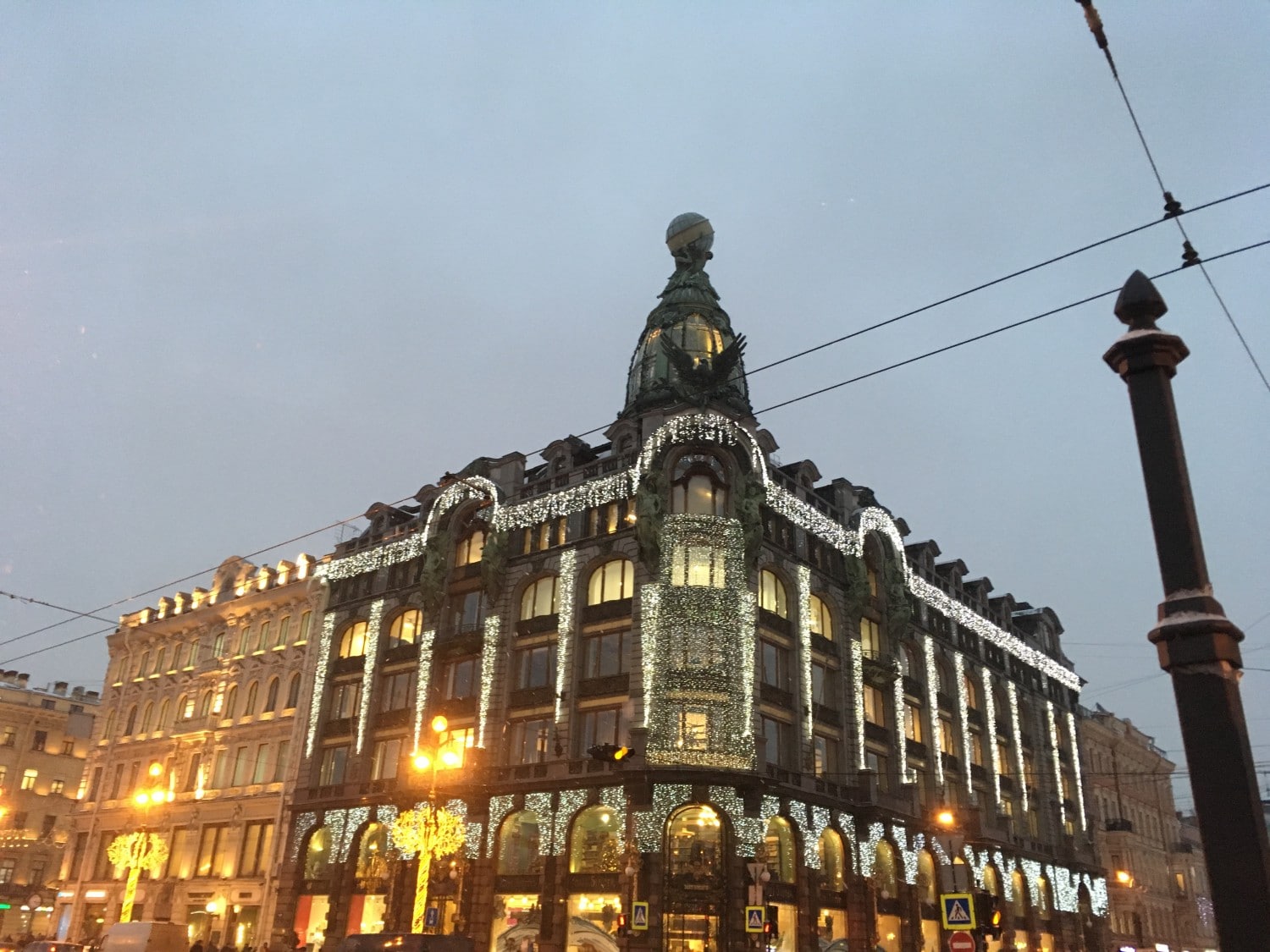
While there are differences in dates in the Russian and North American traditions, the spirit and the joyful feelings associated with the holiday season are the same. Although I was in a foreign country, I felt no shortage of the Christmas Spirit. In St Petersburg it was as if overnight that the city transitions from a city suffering through winter into a winter wonderland. In early December, lights are hung overnight all over St Petersburg. This made the city feel a lot like home. Furthermore, restaurants, universities, hotels, and shopping malls also embrace the holiday spirit with large decorated Christmas trees, lights, and ornaments.
On December 25, I was in Irkutsk, as I had already completed the university semester and had begun my travels. As the city is geographically far from Europe, I thought perhaps the spirit would be different. It was not. Upon arrival to our Airbnb I noticed a variety of Christmas decorations all over the apartment and a small Christmas tree in the living room. Our host wished us a happy holiday as she handed us the keys and gave us recommendations. On December 25, I went on a tour of Lake Baikal and upon entering the car the tour guide wished us a Merry Christmas in English. That night when I ate out at a restaurant I could not help but notice the Christmas lights hanging around us and the Western Christmas music playing in the background.
I celebrated New Year’s in St. Petersburg and could not help but notice how the city came alive. There were people everywhere celebrating and it made you feel a part of the city’s community. Every step you took Russians were screaming “С новым годом” (Happy New Year). I spent the holiday with friends in the dormitory where we cooked, watched Putin’s annual speech, the clock strike midnight in Moscow, and then visited Palace Square in front of the Hermitage. On New Year’s Eve, the Hermitage is the centre of activity in St Petersburg where you can find music, entertainment, and fireworks. Although it was different from how I would celebrate the New Year at home, it was a welcome change that I will remember for a long time.
If you are celebrating the holidays in Russia you will never feel alone. Russians are incredibly welcoming and always eager to talk to you about the differences in holiday traditions. You will notice that the lights, happiness, and feeling of community that is espoused during Christmas in North America is also in Russia. Do not be afraid to try new things and allow yourself to enjoy and embrace cultural differences!
Alaina DeLeo – Irkutsk, 2017-2018

One of the most amazing things I’ve done in Russia is to celebrate the New Year here. This is Russia’s main holiday. In Russia, Christmas (celebrated on Jan 7 rather than Dec 25) is a religious holiday without gifts and parties. The New Year is more like our Christmas and when the Russian version of Santa Claus, Ded Moroz and Snegurochka the snow maiden, deliver gifts. It is really much more than that, though.
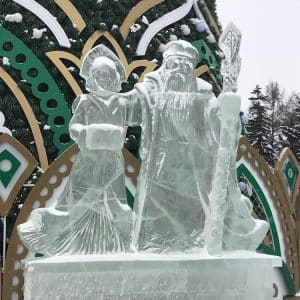
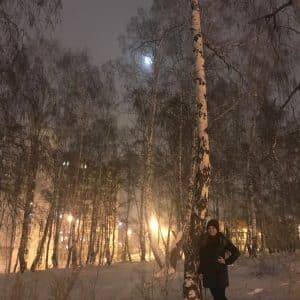
One of the main gathering places for the New Year’s Eve countdown is in Kirov Square. In addition to the many ice sculptures, a huge New Year’s Tree, a big ice slide, and music playing 24/7, there will be a firework show and lots of families, students, and visitors will ring in the new year with some fun. This is an excellent place to spend New Year’s Eve if you really want to experience a large community feeling and get together in the freezing winter to celebrate.
If huge crowds or freezing cold nights are not your thing, there are many options on what to do. Many people get together with friends at bars, restaurants, and/or at home. Many places have New Year’s specials and will stay open especially for this reason. However, if you plan to go this route many places require an advanced reservation and fill up fast, so call ahead!
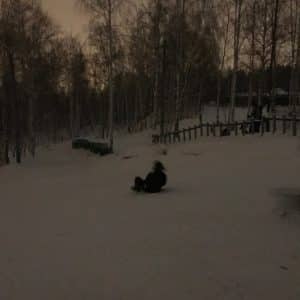
This year I decided to spend the new Year with some friends from the dorms. We watched Putin’s yearly speech and then decided to sled and watch some fireworks. Located about 5-10 minutes away from the dorms is a small ski hill. We climbed up the hill by the ski lift (tiring but worth it) and waited at the top to watch the fireworks. There were several other groups of people doing their own thing and we did the countdown and literally slid into the New Year. I highly recommend this option if living in the dorms as it was fun, cold, and memorable.
No matter what your plans may be, spending the New Year in Russia is an unforgettable experience. New Year’s truly is the most beautiful time to see the breathtaking scenery and view all that the Siberian winter has to offer.
Sophia Rehm – Bishkek, 2014-2015

Жаңы жылыңыздар менен! С Новым годом! In Bishkek, Новый год (New Year’s) is not just a holiday but a season, culminating in a celebration that begins on the morning of December 31st and lasts a whole сутки (24 hours). It’s the perfect holiday, as far as I’m concerned. As a Jewish-American with a fanatical appreciation for snow, twinkling lights, and the smell of Christmas trees, I grew up feeling a little bittersweet about Christmas. Новый год brings together ёлки (holiday trees), food, presents, and decorations into a secular holiday I can rightfully celebrate. Plus, there are fireworks, champagne, and Russian fairy-tales involved, too!
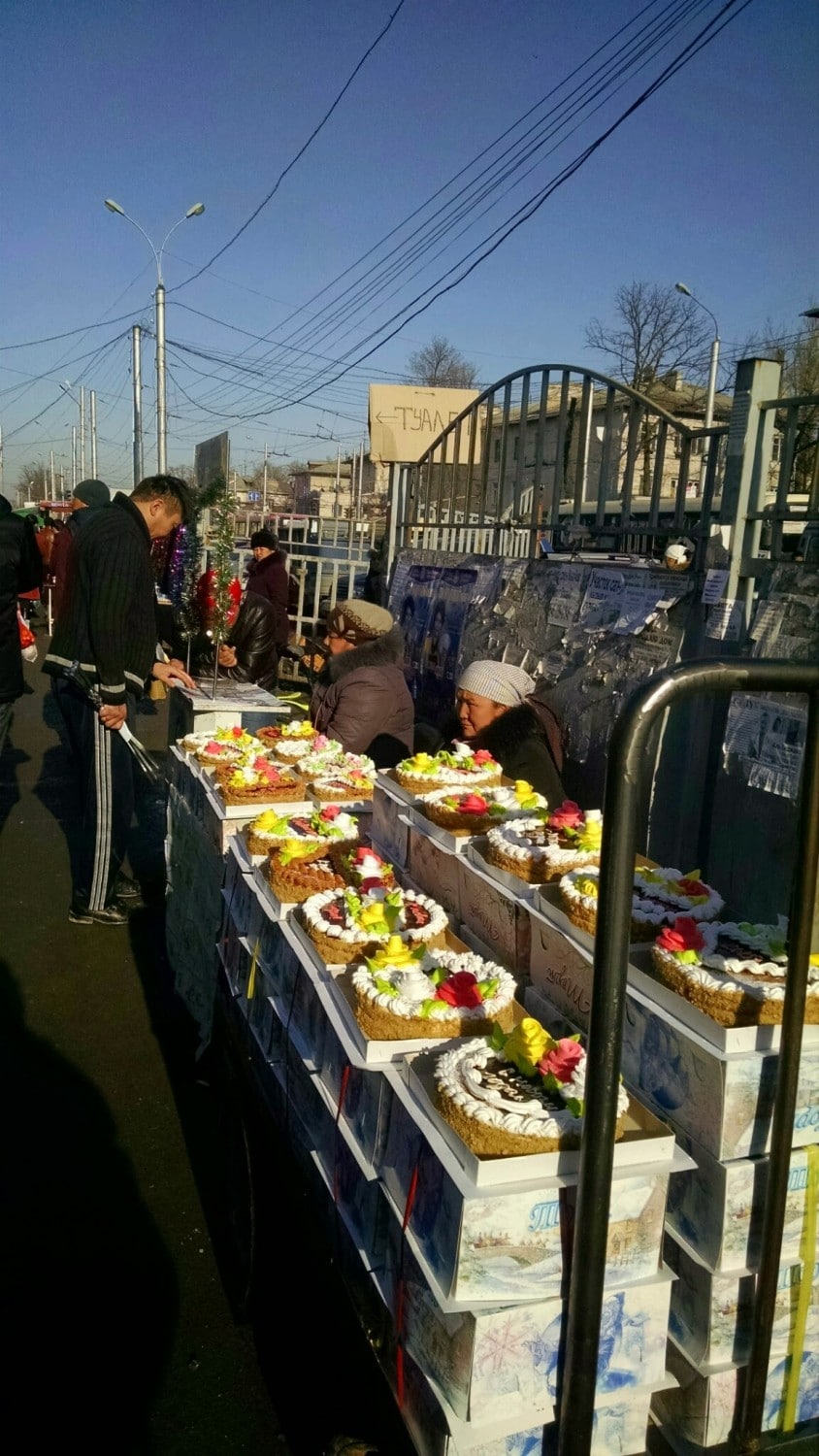
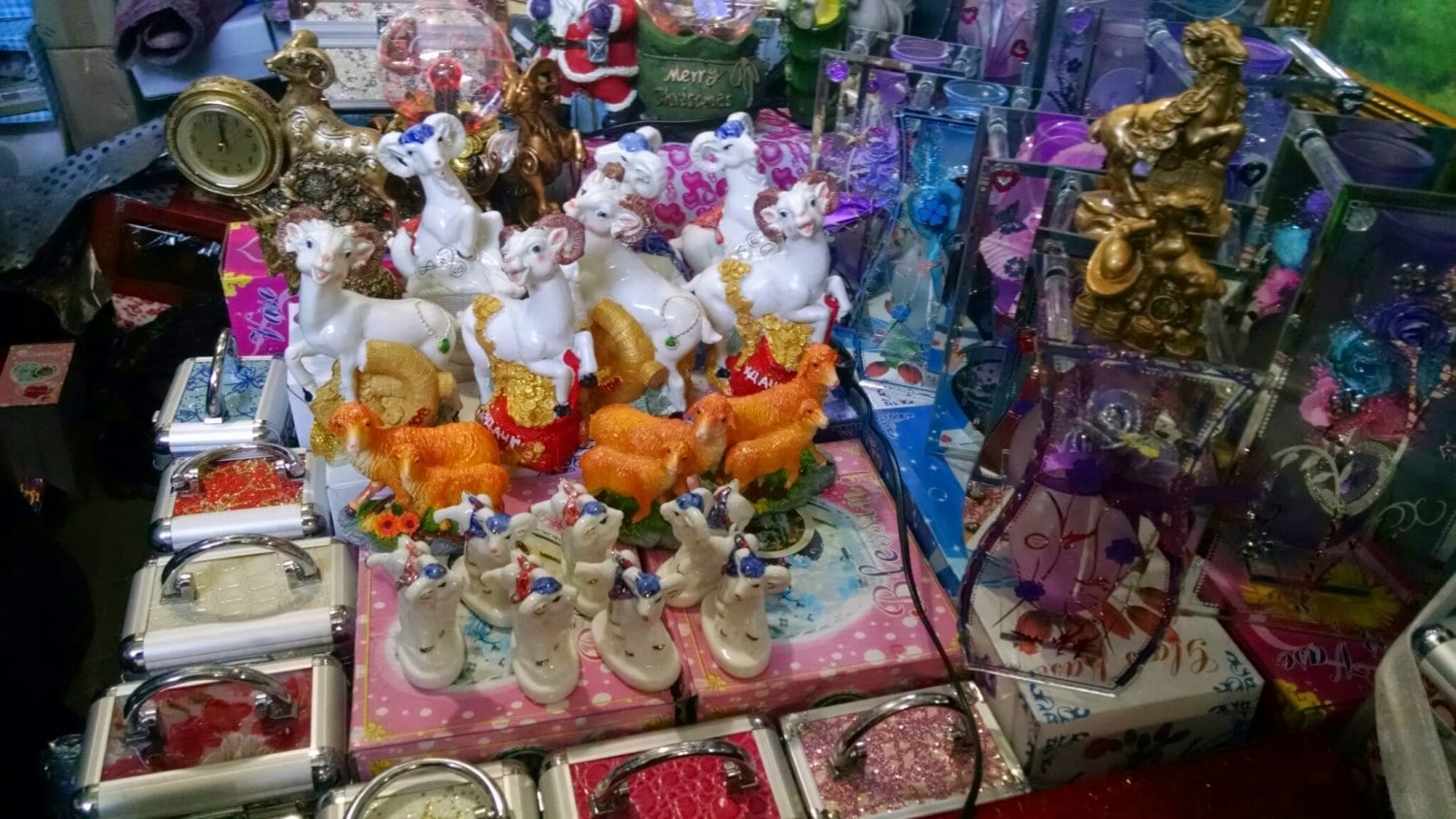
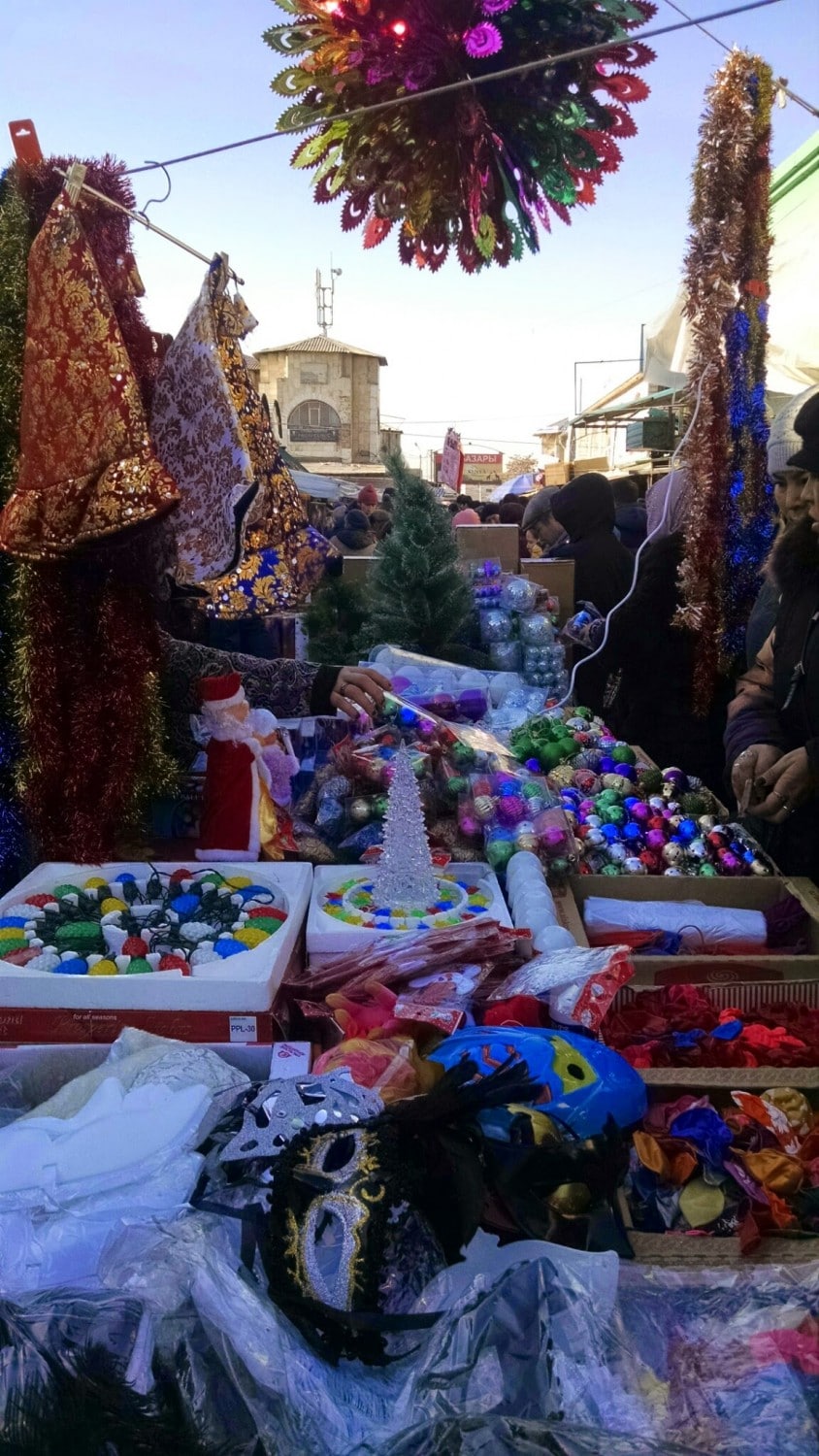
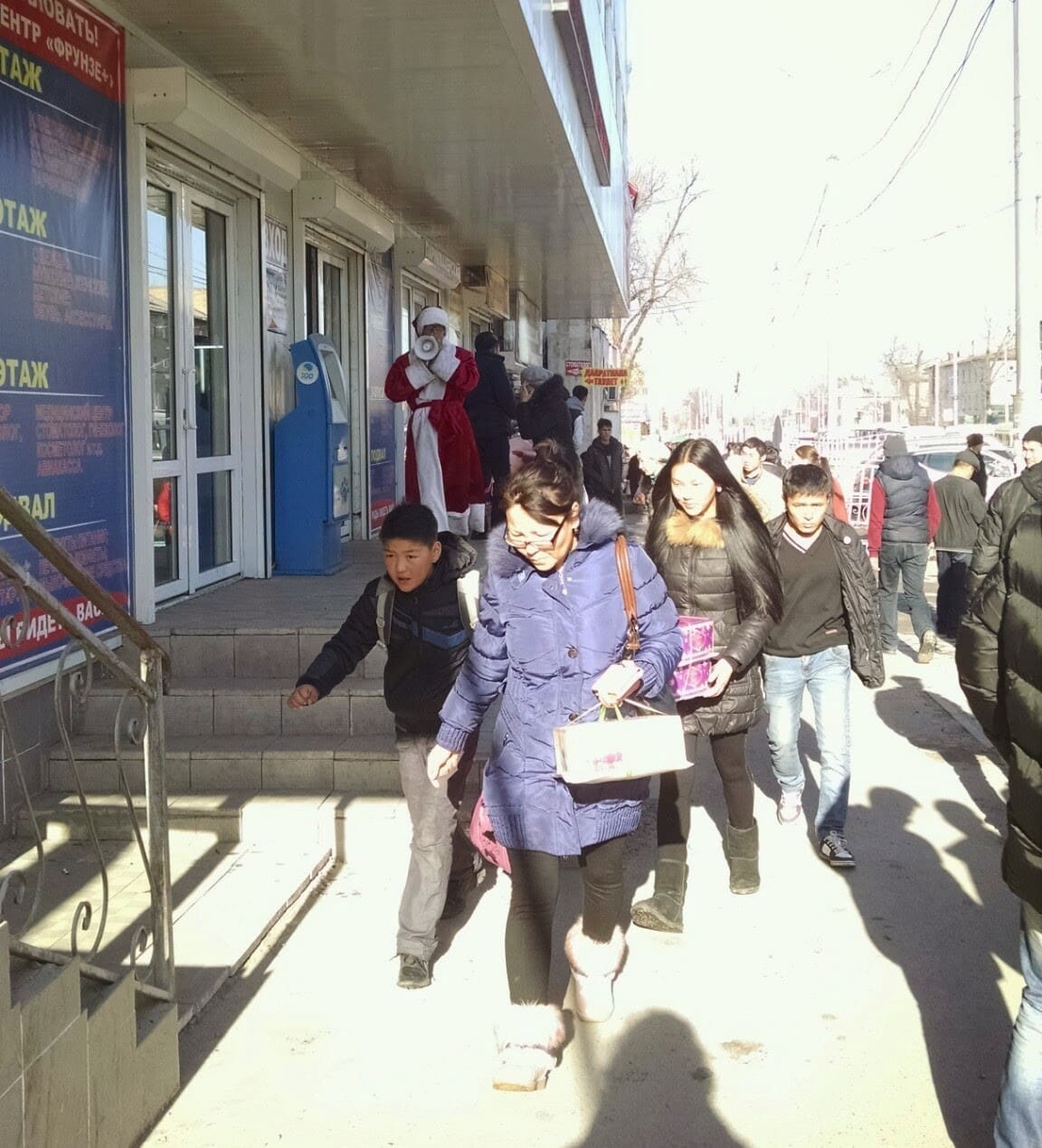
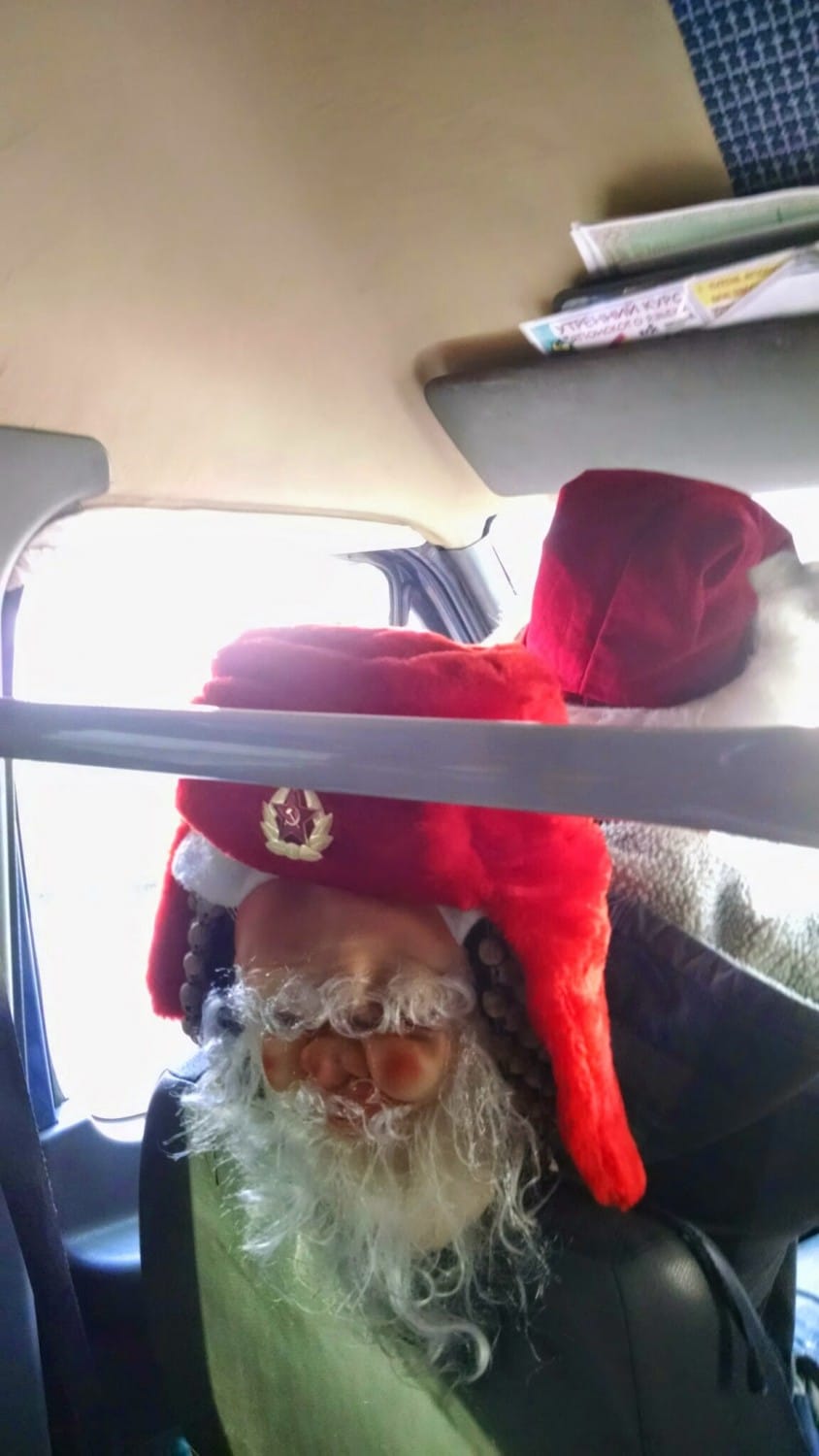
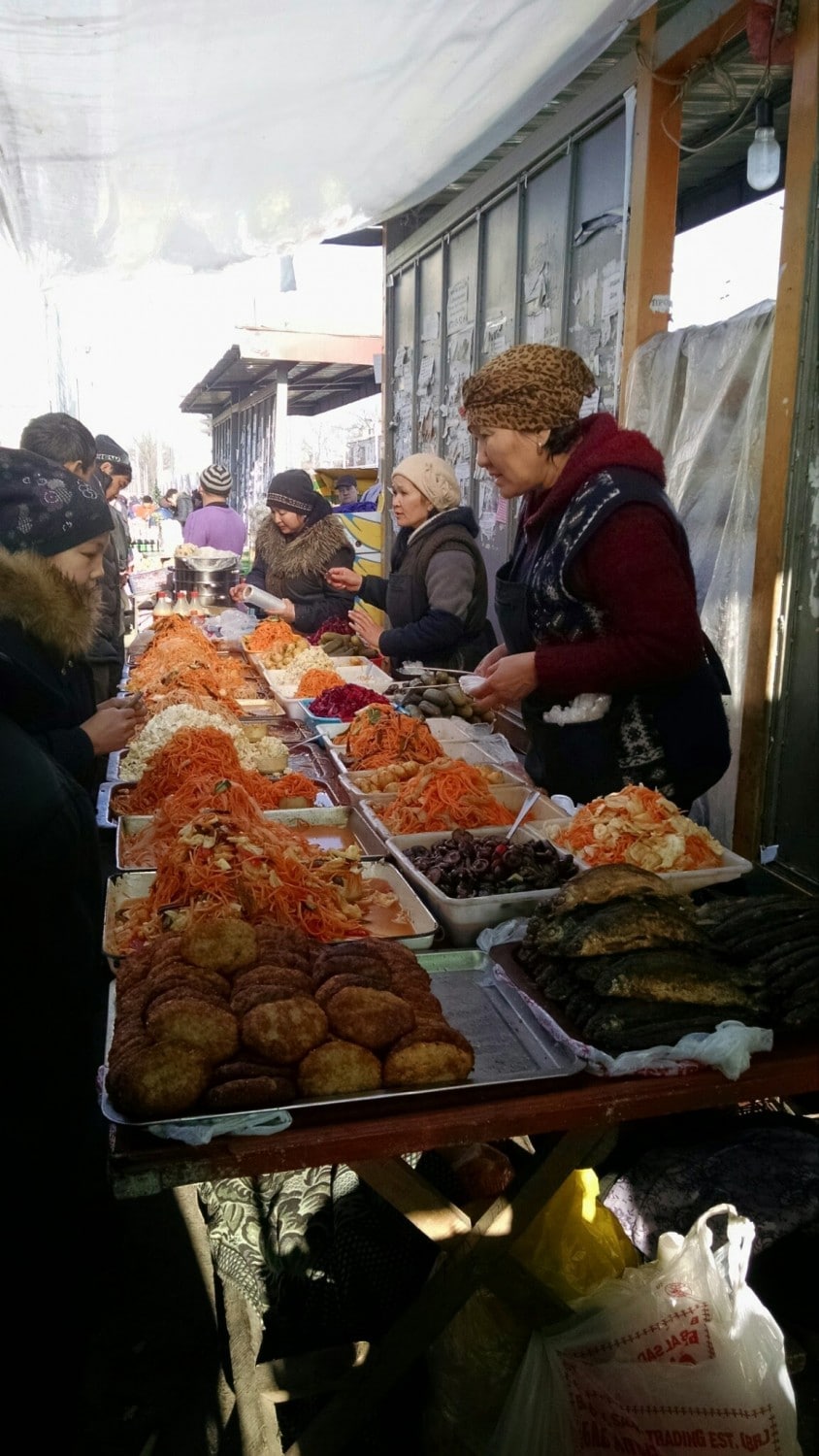
It’s been Новогодний сезон (New Year’s season) in Bishkek for at least a month now. Bishkek’s bazaars have reached a fever pitch of holiday spirit. There are tables overflowing with holiday cakes, shiny garlands, candy, and boxes upon brightly-colored boxes of fireworks. Маркет Народный (National Market), the ubiquitous chain supermarket in the city, hung ornaments and put out holiday candy weeks ago, and their cashiers are wearing red caps that in this part of the world are шапки Деда Мороза (Grandfather Frost hats). Cafes and malls are decked out in lights and ornaments, and I was lucky enough to ride on the most festive маршрутка (scheduled taxi minivan) I’ve ever seen – it was wearing its very own Дед Мoроз costume.
I asked two friends to tell me about some of their Новый год traditions. Whether or not you’re lucky enough to be in Bishkek for Новый год, here are some ways to celebrate the holiday по-бишкекски (Bishkek-style).
Clean the house: “My family gets ready for the holiday by cleaning the house starting in the morning, in order to greet the New Year in a clean home,” says my friend Aishola.
Spend time with family and friends: Новый год is traditionally celebrated at home with relatives and friends. Galya’s favorite way to celebrate is “to meet the New Year with my closest friends, to hang out all night and then sleep until the afternoon.” Aishola says, “On Новый год, I’m usually with my cousins. We have snowball fights, go sledding, spend half the day outside in the snow and then watch New Year’s cartoons, have a New Year’s Eve disco, and sing songs.”
Shop, Cook, and Eat – and Eat and Eat: Bazaars and grocery stores were packed the morning of December 31st this year. Shoppers carried bursting bags of produce and prepared salads, while discussing the day’s chores and plans on their cell phones. The лепёшка stand where I buy a hot loaf of round, fluffy bread every morning sold out just as I arrived – the shopper before me bought the last six loaves.“We have characteristic, richly-laid tables,” Galya says of her Новый год celebrations. After cleaning, Aishola’s family “puts various snacks out on the table – most importantly, of course, оливье.” Galya’s family’s signature dish is “a fruit salad dressed with honey and cinnamon. It’s a good alternative to the heavy snacks that sit in the fridge for days.”
Lots and lots of закуски (snacks) are one popular way to cover the table with food on the holiday. Оливье, винегрет, and селедка под шубой, three Russian holiday salads, are on the table in most Bishkek homes on Новый год.
Have drinks on hand for toasts: Champagne is part of almost every Новый год celebration. I also recommend introducing some глинтвейн (mulled wine) into your holiday. This drink is easy to find in cafes and restaurants around Bishkek, but it’s even better homemade. “The most epic drinking happens on Новый год,” according to Galya. Whomever you celebrate with, make sure to go around your table at least once, with each person toasting the group and the New Year in turn.
Listen to presidential speeches: This is a common answer when I ask people about Новый год traditions here. Aishola explains: after eating, “the whole family gathers around the table and watches our president’s traditional address, and then we wait until 3 a.m. to see the traditional address by the president of Russia.”
Set off fireworks: Fireworks have been bursting in Bishkek’s courtyards in the late evenings for weeks now. But the night of Новый год is one enormous fireworks display. Galya describes it wonderfully: “Like lots of people, we like to set off fireworks and rockets. Around 12 o’clock, the city turns into a bubbling pot, boiling over with flashes and explosions.”
Make a night of it: After listening to President Putin’s speech at 3 a.m., “the dancing and fun begin,” according to Aishola. Bishkek’s residents take their revelry seriously: “They say that January 1st doesn’t exist, and it’s true,” says Galya. “If you go out on the street on January 1st, you’ll see practically no one. The Новый год celebration is like a zombie invasion here. In the beginning, everyone wants to gorge and drink, so they buy up all the stores and bazaars. Then we have to stuff ourselves with it all in two days, until we practically die from overeating! We ‘come back from the dead’ sometime around the 3rd.”
Do it all over again: Galya points out that Новый год happens more than once a year in Bishkek. Not only is midnight celebrated twice – first by Bishkek time, and then by Moscow time – but Старый Новый год, or Old New Year (which was created by Russia’s belated shift from the Julian to the more modern Gregorian calendar – read more about that here) is celebrated as well. Galya likes that this second Новый год, the night of January 13th, allows her to “celebrate with the people who couldn’t be with us on December 31st.”
So practice your recipes, fireworks displays, singing, and dancing on the 31st, and you’ll have it down perfectly in two weeks when you get to do it all again!


Alex Misbach – Vladivostok, 2014-2015
Without having given it much thought up until the end of the semester, as decorations began to go up around town and talk of the holidays began, I realized that this would be my first winter holiday season away from home. More than taken by the thought of what would be absent, I was eager to discover what new traditions and manner of celebration I would encounter while abroad.
The traditional Russian Christmas celebration takes place on the seventh of January due to the Orthodox Church’s continued adherence to the Gregorian calendar. Compared to the hubbub of the New Year’s celebration, it is generally a more conservative, family centered affair for those who in some way choose to festively greet the holiday. Another lingering effect of the Gregorian calendar’s longtime use is the celebration of “Old” New Year (Старый новый год) which begins on the 13th of January. The unique location and demography of Russia and especially Vladivostok also calls for the recognition of the Lunar New Year (Лунный новый год). While Russians commonly refer to it as “Chinese New Year” (Китайский новый год), this holiday is observed by many Asian cultures which also have a significant presence in Russia. The date of the Lunar New Year varies annually, but generally falls between late–January and mid-February.
This may seem like quite the celebration-heavy time of year. It is even more so when one considers that the Russian federal New Year’s holiday begins on January 1 and averages about 10-11 days in duration. However, I noticed little decline in the hum of activity during this supposed holiday period as many private businesses and individual vendors were soon back to work. Perhaps this is just yet another consequence of the current financial crisis the country is experiencing.
Despite these recent economic hardships, however, the holiday season I experienced was far from wanting in enthusiasm. The following are just some of the many events and activities that have highlighted my holidays during this time of the year in Vladivostok.
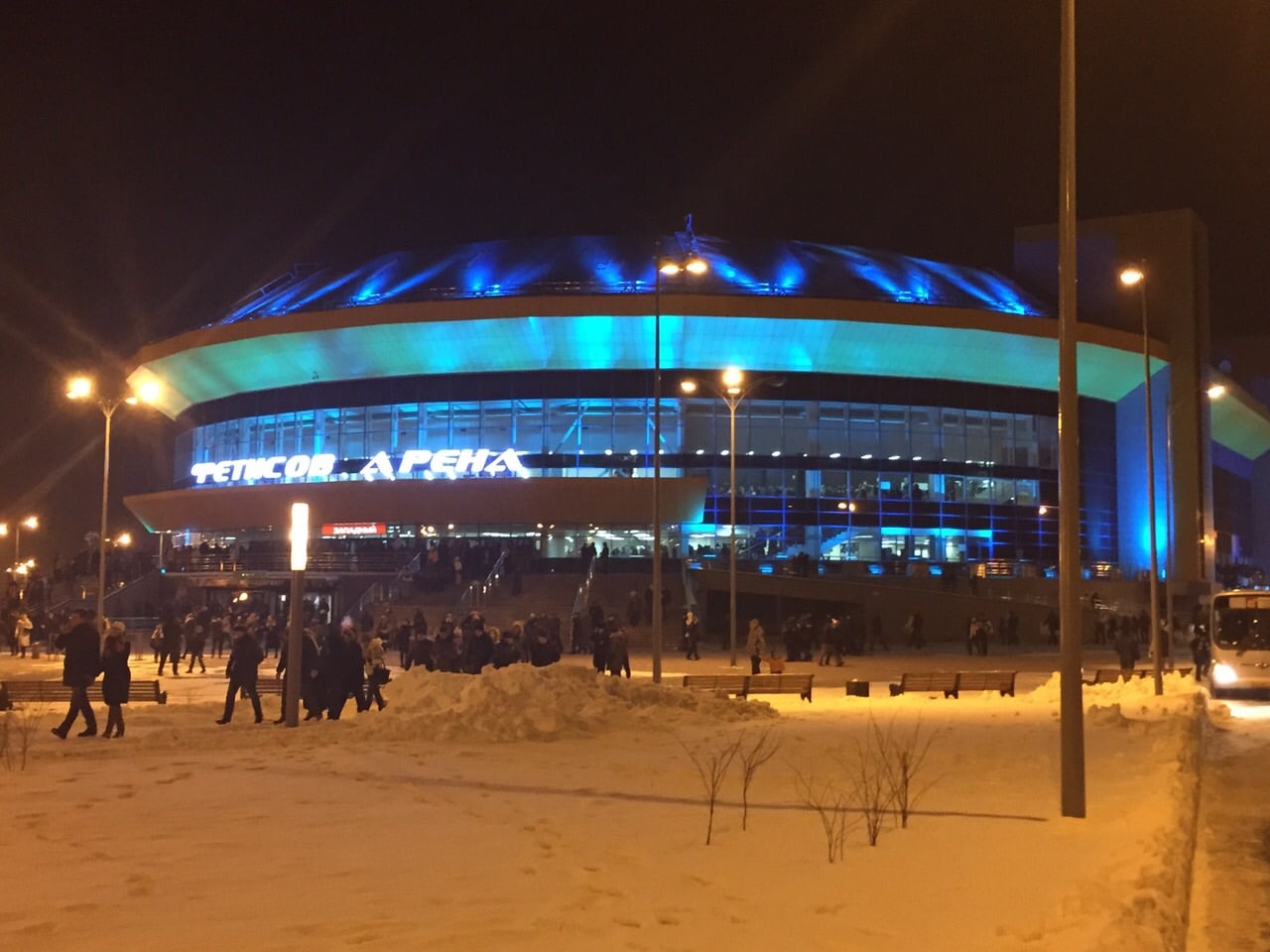
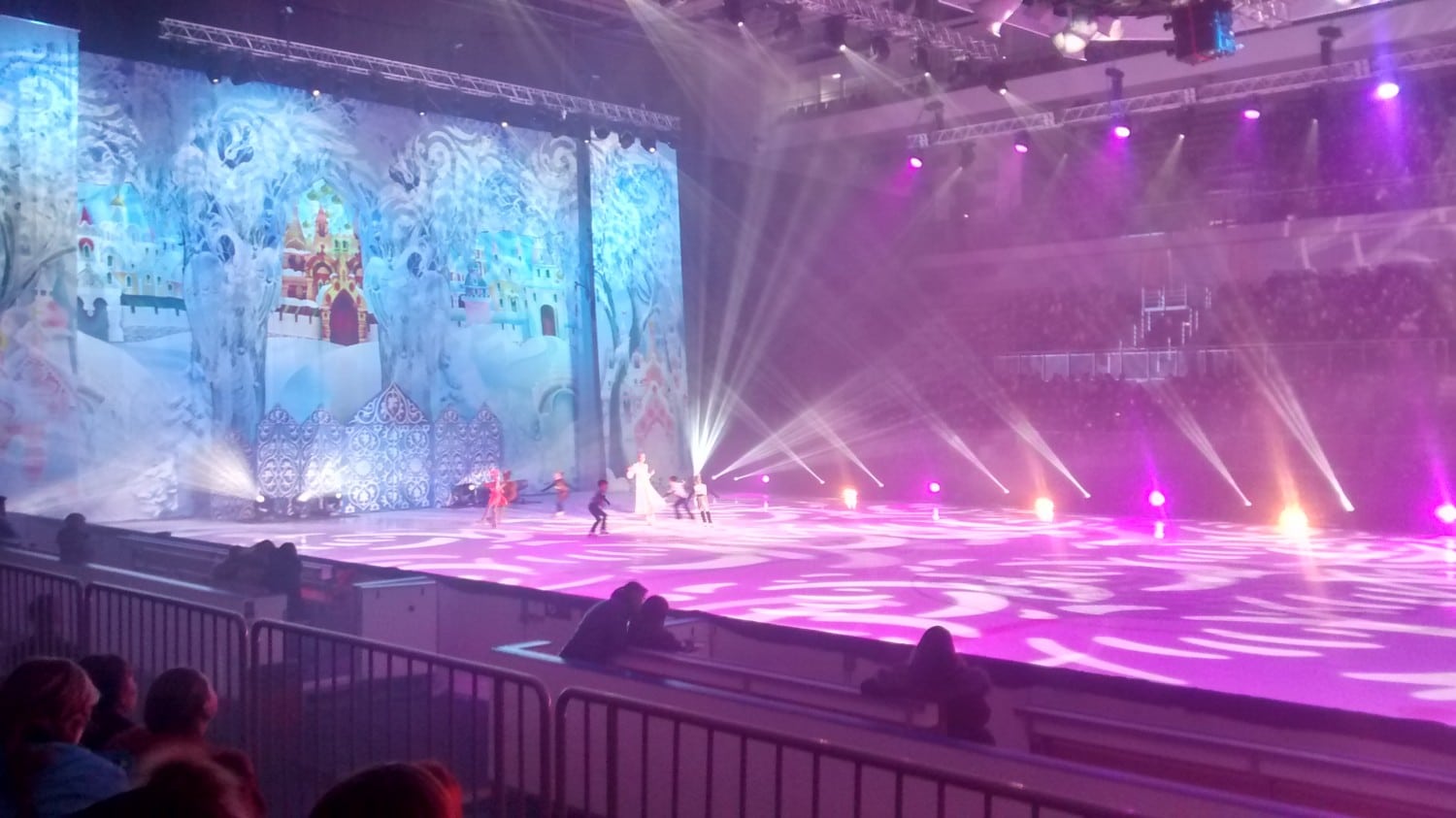
Morozko at Fetisov Arena: Fetisov Arena (Фетисов арена) is a new concert-sports complex (концертно-спортивный комплекс) opened in 2013 on the outskirts of the city. While the official home of the local hockey club Admiral (Адмирал), the facility hosts much more than just sports competitions. Indeed, as far as event venues are concerned, I would call it the less formal mate to the Theater of Opera and Ballet here in Vladivostok. For this reason, I have heard that tickets to many of the events here can be hard to come by and may set you back no small sum. Luckily, some acquaintances of mine found themselves with an absentee ticket and invited me to accompany them and their children to the ice show (ледовое шоу) of the Russian children’s story Morozko (Морозко).
While the theme of the story is one of classic fairytale proportions – a beautiful girl (Настенька) is held captive, frozen in a block of ice until freed by the brave Ivan (Иван) with the help of “Father Frost” (here referred to as “Mорозко“) – the execution of the spectacle made it anything but boring for observers of all ages. With a cast composed of several Olympic champion ice skaters who flawlessly executed stunts not allowed in Olympic competition due to their dangerous nature, a brilliant light show and dynamic soundtrack, the show was a taste of holiday cheer on a new and fantastically entertaining level the likes of which I had yet to encounter. A highly recommended event if you get the chance to attend.
The Nutcracker at the Theater of Opera and Ballet: Although the time I had come to know as Christmas had in fact already passed, attending the performance of Pyotr Tchaikovsky’s (Пётр Чайковский) ballet The Nutcracker (Щелкунчик) on the evening of the 26th of December was at the height of the pre-holiday season by local standards. Although I was familiar with The Nutcracker in the capacity of its acting as a widely recognized holiday symbol, I was admittedly fairly ignorant of the details of the story itself. While this made the storyline especially compelling for me, I expect even someone familiar with all of the ins and outs of the holiday classic would find something to wonder at in the revamped presentation provided by the theater’s young Artistic Director. And of course, where better to enjoy the universally renowned story than in its home country!
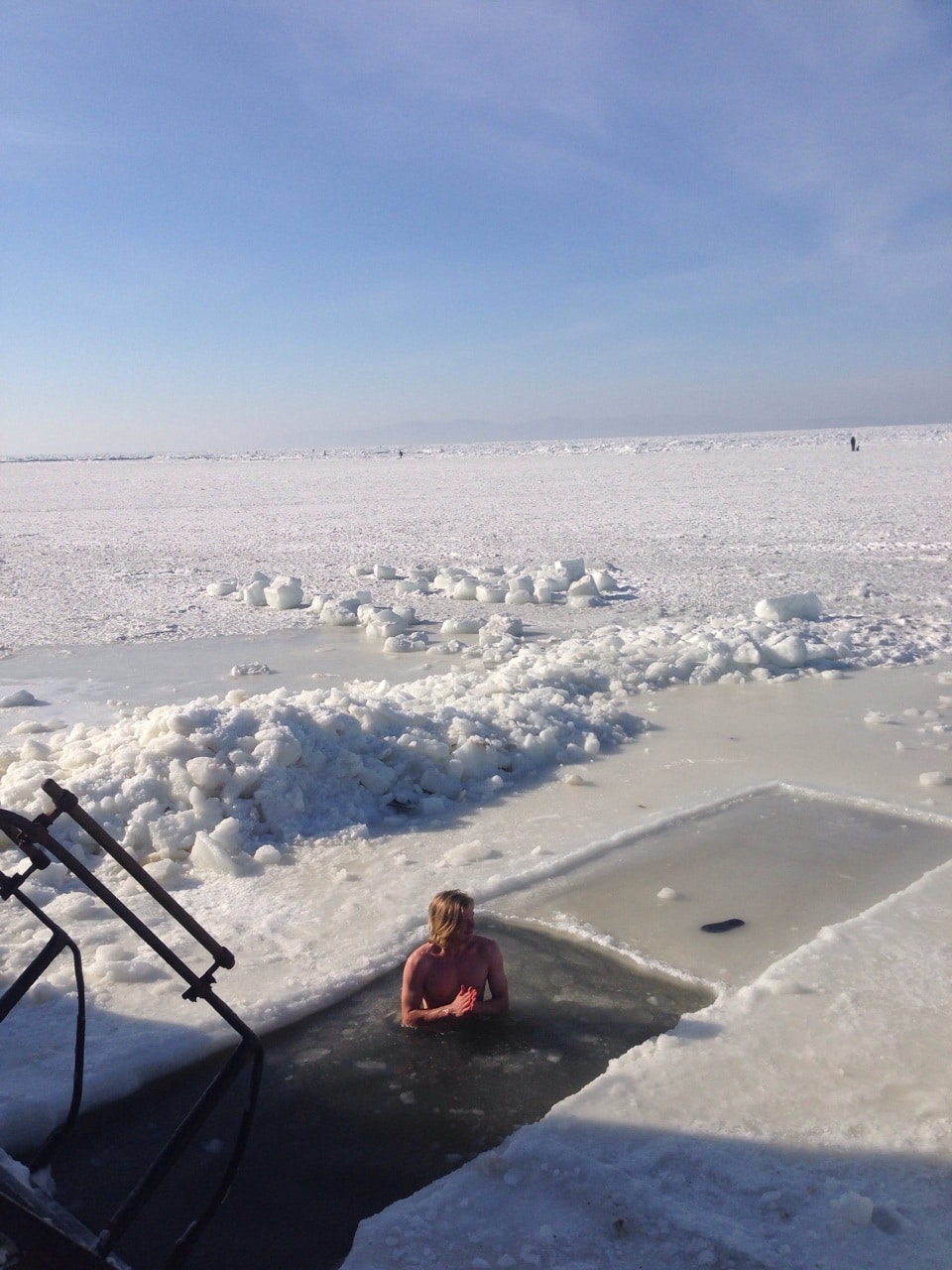
Walks on the Pacific Ocean: Probably one of the coolest and least expected opportunities I have frequently been taking advantage of is walking out onto the frozen Amurskii Bay (Aмурский залив). While just on the other side of the peninsula, the Golden Horn Bay (бухта Золотой Рог) remains largely unfrozen, the more expansive but quieter Amurskii, with ice several feet thick at times, is a hub of activity. This is true not only for people inclined to go strolling out on this salty piece of ephemeral real estate, but also for the fishermen (рыбаки) – both hobbyists and professionals – who drill through the ice and brave the cold all day long in hopes of bringing in a good haul. While it is still only mid-January and ice-breaking ships have disrupted the integrity of the ice in places, a popular late-winter pastime is to drive across the ice to the peninsula Peschanii (полуостров Песчаный) at the other side of the bay; a distance of some tens of kilometers depending on the route. As I’ve also been told, just about every year one hears stories of cars breaking through the ice. If I end up making the trip, I think I’ll be doing so on foot!
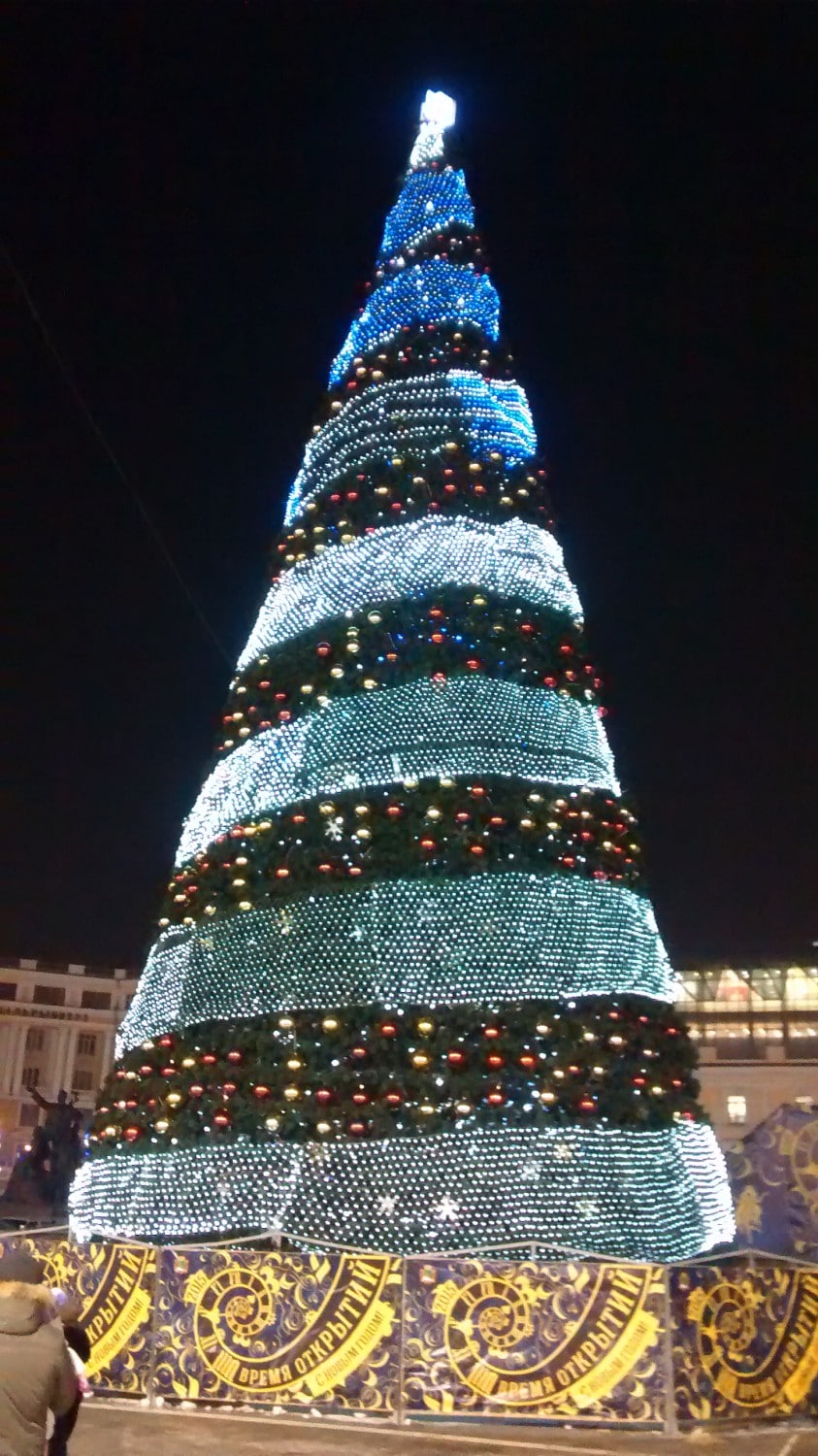
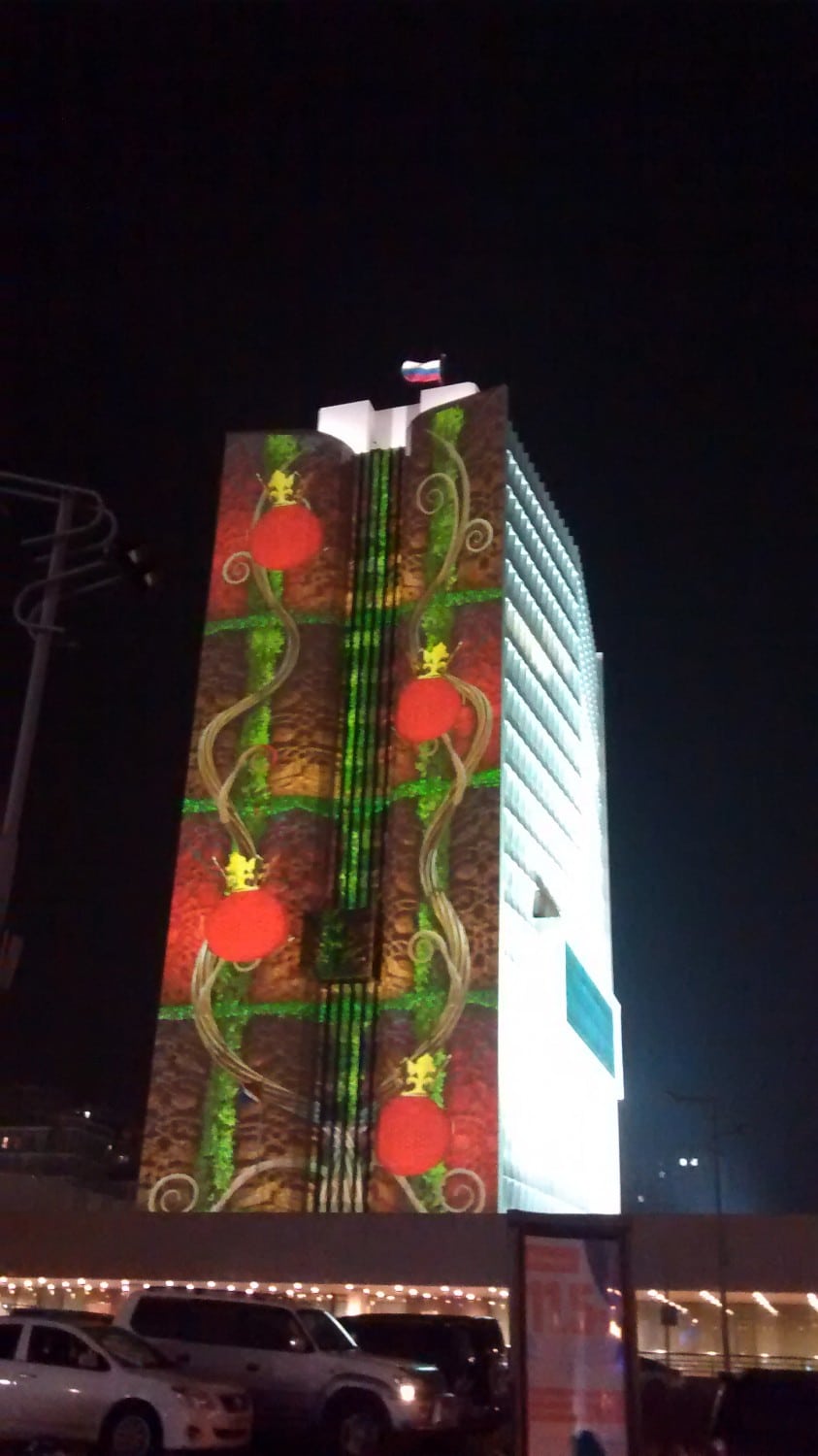
Central Square Decorations and Laser Show: As it turns out, the blistering winds here are not only an annoyance for any skin left exposed to their icy gusts, but have even affected the holiday decorations. In years past, the main square has been decorated with a large, real Christmas/New Year’s tree (ёлка). However, the costs in the way of both monetary expenditures and symbolically deflated holiday cheer resulting from the tree’s toppling numerous times led the city to go with a more stable, broad-based artificial tree (искусственная ёлка) this time around. Accompanied by lights, a small ice ramp (горка) for children to sled down, several vendors and a laser show (лазерное шоу) projected onto the side of the central government office building every evening made for a festive atmosphere long before and after the New Year’s celebration itself.
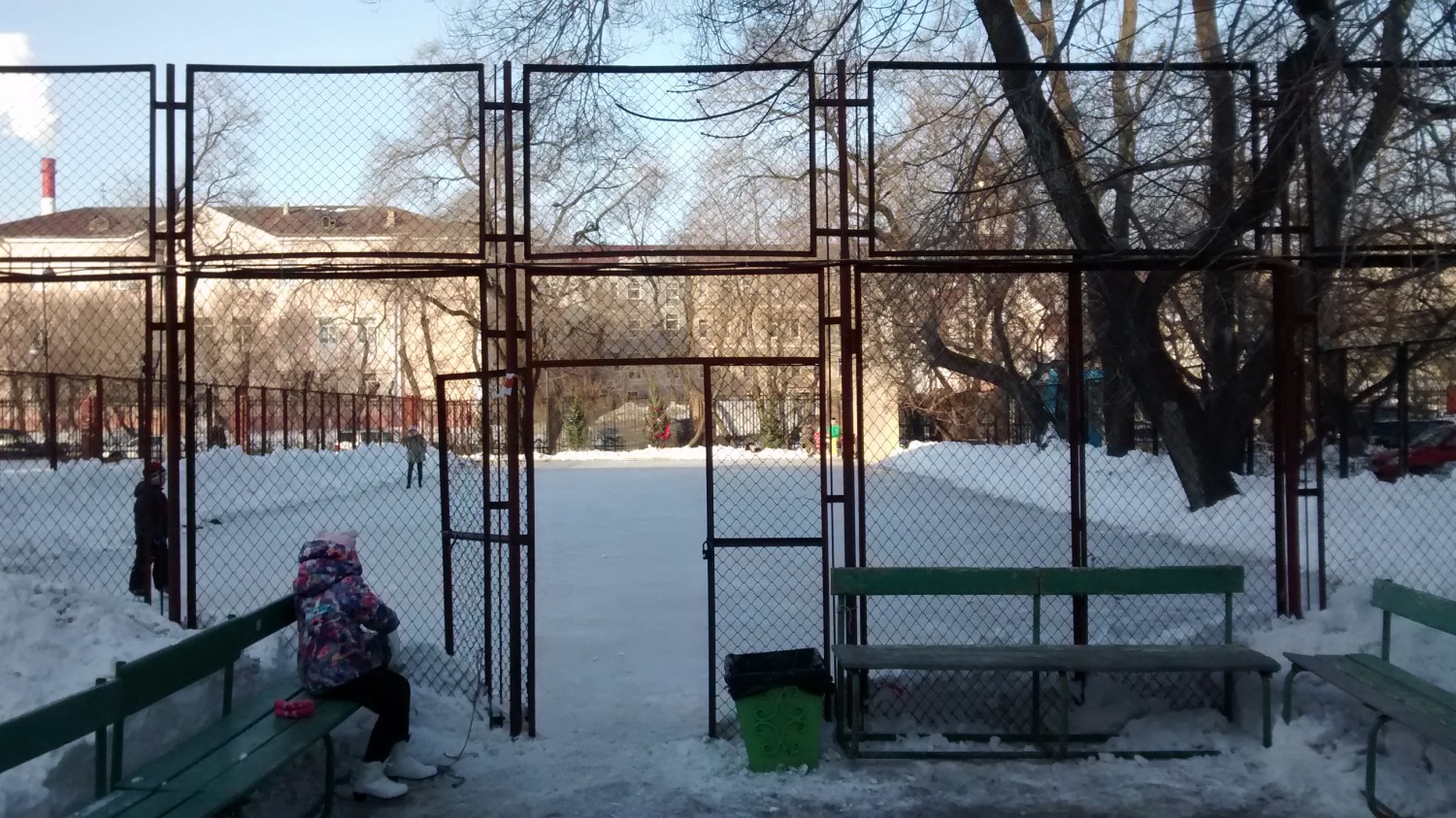
Ice Skating: I think that it is safe to say that the American childhood right of passage that is learning to ride a bike is fairly well reflected in the acclimation to ice skating for the average Russian child. Having not been on a rink (каток) since childhood, I wasn’t exactly chompin’ at the bit to lace ‘em up. Nevertheless, as my host family dug out their collection of skates to see what still fit, what needed sharpening etc. I knew I simply could not spend an entire winter in Russia without skating at least once. So it was on a small, fenced-in, free public rink for children (каток для детей) that I returned to the ice for my decadal appearance. Confident in my ability to show up the wobbly legged, wipe-out prone, probably five year old first-timer who was our only competition that day, I cut some uneasy ovals for an hour or two and chalked my zero fall count up to a momentous personal victory. While this was a good, quiet and, most importantly, largely unobserved place for beginners, the popular destination for skaters in the city is Avantgaurd (Авангард) rink on Svetlanksaya street where for a small fee of around 150 rubles, one can skate on a well maintained, lighted rink to the sounds of festive music.
Kreshenie: The Orthodox celebration of the baptism (крещение) of Christ takes place annually at midnight on the morning of the 19th of January. For believers and general partakers of the celebration, the ritual involves bathing oneself in a local body of water, dunking one’s head three times. Such a gesture is representative of the three-part nature of God, known to Russians as the troika (тройка). Here in Vladivostok, as in many locations where temperatures annually drop below freezing long enough for local bodies of water to freeze over, an ice hole (прорубь) is cut, often in the shape of a cross, and fitted with wooden stairs to ensure the safe passage into and out of the icy waters for all participants. Unfortunately, due to a mix-up as to which midnight the official celebration would be taking place on, I was not able to witness the festivities surrounding the midnight bathing. Luckily, however, thanks to the local ice-swimmers (моржи) who bathe in the frigid waters all winter long, I was able to experience the enlivening sensation of a sub-zero plunge first hand!
Staying in Vladivostok for winter break granted me several weeks of interaction with the city and its inhabitants on a level not entirely dependent on my status as student. Thus I was able to experience a different aspect of life in Vladivostok and consequently feel my time abroad has provided me with not just a sense of what life is like on the other side of the world, but something more in the way of the ability to in some way sympathize with the locals when they speak of their far-eastern hometown.
Michael Smeltzer – Vladivostok, 2011-2012
Every Russian person you meet will tell you that New Year’s is the biggest holiday in the country. Unfortunately, my previous extended stay in Russia ended a few days before Christmas (December 25th, and not January 7th like the Russians celebrate it), so I’d never had the chance to experience a Russian New Year myself. That being said, I was super excited when my friend Lena suggested that we spend the holiday partying at a club with some of her friends. Not only had I never celebrated Russian New Year’s, I’d also never been to a Russian night club, so it ended up being a double cultural event for me.
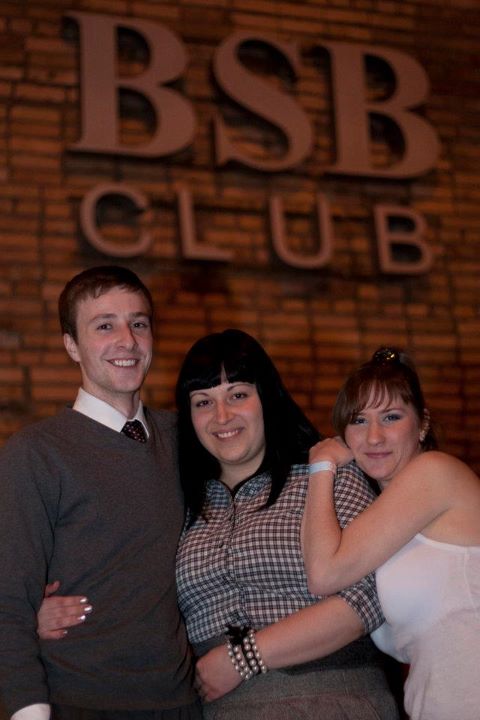
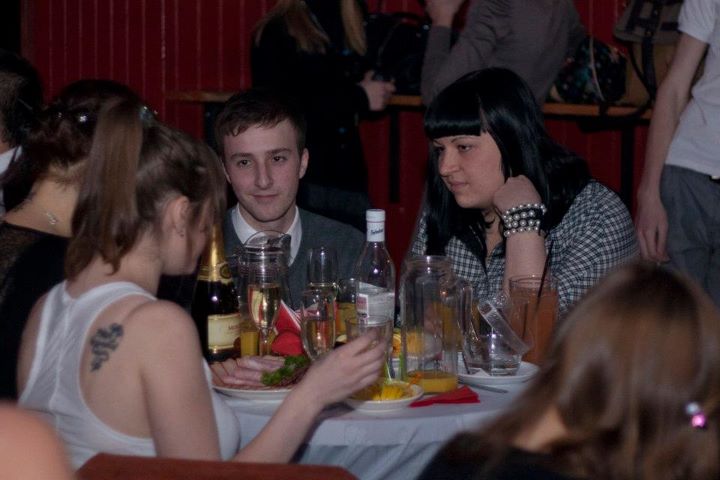
In spite of a week of suffering from the flu, Lena and I arrived at the club on New Year’s Eve around 10:30 and met up with our group. The 6 of us had reserved a table for 1000 rubles each, and paid 500 rubles at the door. That price included the table, various meat and fruit appetizers, and endless bottles of champagne, vodka, and juice. The club also offered various sandwiches and cocktails, but those cost extra, so I stuck to the basics.
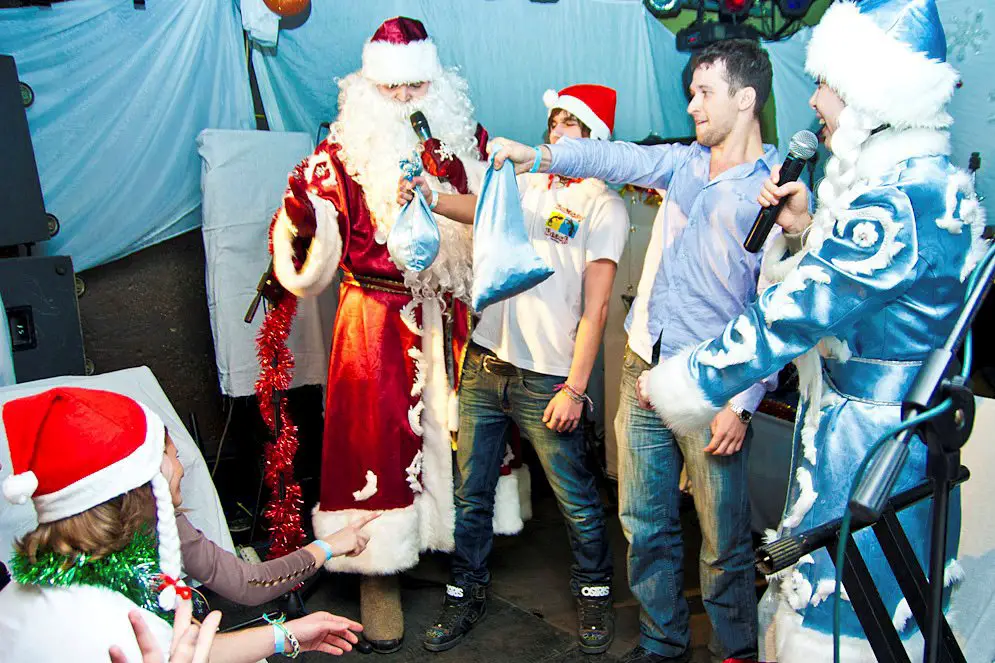
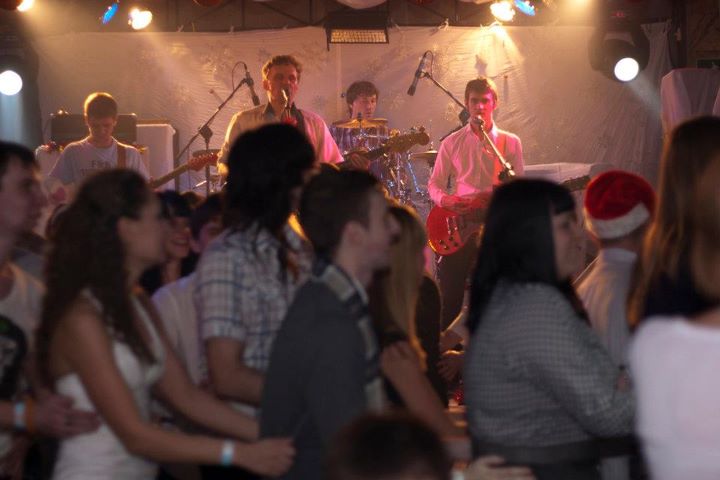
Needless to say, the night was interesting. The club itself is smaller, and has sort of a dive bar feeling to it, but that only gave the evening a certain charm. Just like larger clubs, there was blasting music, flashing lights, and “eccentric” people. When we got there, the club was playing a lot of American Christmas classics, so I entertained my group by singing along. Really, the night’s events didn’t start until 12. At about five to midnight, everyone turned to the screen to listen to President Medvedev’s speech to our region. Every year, the President gives a New Year’s toast to each time zone in the Russian Federation. It’s really a cool tradition, in my opinion. Right after that, the clock struck midnight and everyone cheered, kissed, and drank. Then, the live music began. The first group, Boa Juice, was a local cover band that played some songs from The Beatles and Brian Setzer, as well as a rousing rendition of “Tequila.” Next, Father Frost and the Snow Maiden (Дед Мороз and Снегурочка) came on stage, made some dirty jokes about the New Year, and invited people up to compete for prizes. By this time, the majority of the people in the club were pretty drunk, so the competitions were entertaining. Around 2 a.m., the next band, Blues Line, came on and got people out on the dance floor. I spent most of my night dancing, sipping on champagne, and talking to friends. Around five in the morning, my sick lungs couldn’t take anymore of the massive amounts of smoke, so I headed back to the VSUES dorm.
My favorite part of the night was just watching all of the different characters in the club. It was almost like being in a movie. You had the huge, mafia-type guy with his model girlfriend, the group of mid- to late- 30’s women prowling for younger men, the guy who got too drunk, tried to start a fight, and then got thrown out by security, and some fifth or seventh wheels who sulked all night, despite their friends attempts to cheer them up. For me, the feeling of the Russian New Year differed somewhat from the feeling I have at New Year’s in America. Back home, we like to make resolutions and hope for a successful new year. In Russia, while they are definitely excited about a new beginning, they also seem to use the occasion as a time to look back and examine the year gone by. Also, in America, a lot of people just go to bed after they see the ball drop in Times Square. But in Russia, the party only really begins at midnight and ends in the morning.
This was really a valuable cultural event. I got to see how a portion of the Russian people celebrates their favorite holiday, as well as how the club scene works. The night’s atmosphere was just as festive and merry as any American Christmas, and really helped to curb my feelings of longing for home at Christmas. If you have the chance to experience a Russian New Year’s, take it. You won’t be disappointed.

You’ll Also Love
Russia Day: Student Observations
Russia Day is one of the country’s newest holidays and many are still at a loss as to how it should be celebrated. However, the holiday already accomplishes what most holidays are meant to accomplish: it reflects the culture’s relationship with its own past and present. June 12th was originally named “Russian Independence Day,” marking […]
Chichilaki and Alilo: Georgia’s Unique Celebrations of Christmas
Georgia’s Christmas traditions of chichilaki and alilo reflect the deeprooted importance of tradition, sustainability, and religious expression in Georgian culture. Chichilaki are a unique, eco-friendly alternative to the Christmas tree that have been present in Georgian culture since ancient times. Meanwhile, alilo is a caroling tradition when costumed Georgian take to streets to sing religious […]
Navruz, Nooruz, Nowruz: The Ancient Spring New Year of Central Asia
Navruz is a spring solstice celebration that marks the beginning of the New Year according to the traditional Persian calendar. It has been a beloved holiday for some 3,000 years, surviving cultural change caused by centuries of tumultuous history. It was once celebrated on the vernal equinox but is now celebrated on the set date […]
Mariamoba, Svetitskhoveli, and Giorgoba: Holidays that Reflect Georgia’s Soul
Georgia’s three main autumn holidays, Mariamoba, Svetitskhoveli, and Giorgoba, are a great window to experience the soul of the Georgian people. Each of these state holidays represent a different aspect of Georgia’s unique religious tradition which has developed over the last millennia. Celebrations are well attended and important to Georgians. As a way to fully […]
White Nights Festival: Culture and Night Life in St. Petersburg
10:17pm sunsets and 3:30am sunrises. That was my initial description of St. Petersburg when friends and family asked how my study abroad experience is going. The 18 hours of daily sunlight that mark St. Petersburg’s “White Nights” are nature’s gift to the northern city that is Russia’s cultural capital. Though the sun sets at around […]