 Family of Sites
The Talking Phrasebook Series presents useful phrases and words in side-by-side translation and with audio files specifically geared to help students work on listening skills and pronunciation. Below, you will find several useful phrases and words. To the left is the English and to the far right is the Serbian translation in both Latin and Cyrillic scripts.
In the center column for each row is a play button. The recorded file will feature first English, then the Serbian in three versions: one slow, one with each syllable broken out, and a last version that will be spoken as it might be overheard in a conversation between native speakers.
10 Facts About Macedonian
Status: The Macedonian language is a South Slavic language closely related to Bulgarian and somewhat more distantly to Serbian. It was standardized in 1945 in what is now North Macedonia, making it one of the youngest standardized Slavic languages, though its dialects have a much longer history.
Speakers: Macedonian has around 1.5–2 million native speakers worldwide. The vast majority live in North Macedonia, where it is the official language. Smaller communities exist in neighboring regions of Greece and Albania, although exact numbers are disputed. Greece does not officially record Macedonian speakers as part of its census, for instance, and estimates range from 10,000 to as many as 200,000. Diaspora communities reside in countries like Australia (66k), the United States (52k), and Canada (16k).
Cases: Unlike most Slavic languages, Macedonian has largely lost the case system. To express the relationships usually carried by cases, Macedonian relies on word order and prepositions instead, making it considerably more like English than Russian in its grammar. Also like English, Macedonian retains cases mainly in pronoun use (e.g., nominative, accusative, and dative forms).
Gender: Macedonian has three grammatical genders: masculine, feminine, and neuter. These typically correspond to word endings, with both animate and inanimate objects assigned gender. Gender affects agreement with adjectives, pronouns, and past-tense verbs.
Articles: One of Macedonian’s most distinctive features is its use of articles, which are rare in Slavic languages. In Macedonian, they appear as suffixes attached to the end of nouns has three forms of the definite article that indicate proximity: general (-от, -та, -то), proximal (“this,” e.g., -ов, -ва, -во), and distal (“that,” e.g., -он, -на, -но). These are all definite articles. Macedonian does not use indefinite articles.
Respect and Formality: Macedonian expresses respect primarily through the plural second-person pronoun “вие” (you), used as a formal singular. Titles and polite expressions (like господин “Mr.” or госпоѓа “Mrs.”) are also commonly used in formal situations. This is very similar to Russian.
Verb System: Macedonian uses a rich, analytic verb system with particles and auxiliaries. While still retaining imperfect and perfect aspects common to Slavic languages, Macedonian also has many unique nuances. For example, Macedonian does not use an infinitive in speech, instead using a “да + present tense” construction. Thus, “Сакам да одам” literally means “I want that I go” with both verbs in present tense. Macedonian also has verb forms for evidentiality, which reports if the speaker found something out first hand or through reported speech. So, “тој дојде” means “he came” while “тој дошол” means “(they said) he came.” Also interesting is the formation of past perfect, which uses a present form of “be” with a verbal adjective. For example, “cум видел” means “I have seen.”
Questions: Macedonian most often forms questions in speech through intonation, by lilting the end of the word in the sentence which should be verified, much like in English. Another option is to add “дали,” a general question signifier, to the beginning of the sentence. Thus, “одиш” means “you go” while “дали одиш?” means “will you go?” Macedonian also uses specific question signifiers such as кој (who), што (what), каде (where), кога (when), зошто (why), and како (how).
Dialects: North Macedonia is only about the size of the US state of Vermont. However, its residents speak about 29 recognized dialects. These are grouped in western, eastern, and northern branches, with western dialects forming the basis of the standard language. Dialects can vary significantly in pronunciation, vocabulary, and grammar, especially near borders where they blend somewhat with Bulgarian language dialects in the east and Serbian language dialects in the north.
Regional Evolution: Macedonian is part of the Balkan Sprachbund, a group of languages that share structural features due to long contact rather than common origin. The group encompasses languages as diverse as Macedonian (Slavic), Greek (Hellenic), Balkan Gagauz (Turkic), and Albanian (Albanian), who have collectively lost cases, gained use of postposed articles, developed similar ways of forming future tense and expressing possession among other similarities.
Political History: The standardization of the Macedonian language in the 1940s was achieved under the newly formed Yugoslav Federation. Macedonian independence had been fought for since the late 19th century, then pushing for autonomy from Ottoman rule. In WWII, leaders seeking autonomy founded The People’s Liberation Army of Macedonia, a communist-led guerilla movement that fought against German, Italian, and Bulgarian occupiers. Both the Bulgarians and Serbs had historically considered the Macedonians part of their respective cultures. Creating The People’s Republic of Macedonia within Yugoslavia rewarded the former resistance leaders and countered possible foreign influence from Bulgaria as well as offset the dominance of Serbia, the federation’s largest nation. The Macedonian standard language was based on the central-western dialects considered to be the most distinct from both Bulgarian and Serbian.
The Macedonian Alphabet
Macedonian uses a version of the Cyrillic alphabet, standardized in 1945. It includes several letters not found in Russian Cyrillic, such as “ѓ,” “ќ,” and “ѕ,” which reflect specific Macedonian sounds and help distinguish it from closely related languages. The alphabet was developed to be maximally straightforward and precise. Each letter makes one sound, with no variations.
| Letter | Pronunciation (approx.) | Example (Macedonian) | Meaning |
|---|---|---|---|
| А а | “a” in father | авион | airplane |
| Б б | “b” in bat | брат | brother |
| В в | “v” in vet | вода | water |
| Г г | hard “g” in go | град | city |
| Д д | “d” in dog | ден | day |
| Ѓ ѓ | “du“ in duke | ѓердан | necklace |
| Е е | “e” in met | еден | one |
| Ж ж | “s” in measure | жена | woman |
| З з | “z” in zoo | заб | tooth |
| Ѕ ѕ | “dz” in adze | ѕид | wall |
| И и | “ee” in see | игра | game |
| Ј ј | “y” in yes | јазик | language |
| К к | “k” in kite | книга | book |
| Л л | “l” in like | лист | leaf |
| Љ љ | “li” in million | љубов | love |
| М м | “m” in man | мајка | mother |
| Н н | “n” in no | ноќ | night |
| Њ њ | “ny” in canyon | њива | field |
| О о | “o” in more | око | eye |
| П п | “p” in pen | пат | road |
| Р р | rolled/trilled “r” | рака | hand |
| С с | “s” in sun | сон | dream |
| Т т | “t” in top | татко | father |
| Ќ ќ | soft “k” (like cute) | ќерка | daughter |
| У у | “oo” in boot | улица | street |
| Ф ф | “f” in fish | форма | form |
| Х х | “ch” in Bach | храна | food |
| Ц ц | “ts” in cats | цвет | flower |
| Ч ч | “ch” in church | човек | person |
| Џ џ | “j” in judge | џам | glass |
| Ш ш | “sh” in shoe | школа | school |
Survival Basics in Macedonian
| Hello! | Zdravo!
(Здраво!) |
|
| Hello! | Alo!
(Ало!) *on the phone |
|
| Yes | Da (Да) |
|
| No | Ne (Не) |
|
| Good morning! | Dobro utro!
(Добро утро!) *these are more formal greetings for teachers or passersby. |
|
| Good afternoon! | Dobar den!
(Добар ден!) |
|
| Good evening! | Dobra večer!
(Добра вечер!) |
|
| What’s up? | Shto praviš?
(Што правиш?) |
|
| What’s new? | Shto ima novo?
(Што има ново?) |
|
| How are you? | Kako ste? (pl./formal)
(Како сте?) |
|
| Good, thanks, and you? | Dobro, blagodaram, a vie? (pl./formal)
(Добро, благодарам, а вие?) |
|
| Good bye! | Ćao!
(Чао!) |
|
| Good bye! | Dogledanye!
(Догледање!) |
|
| See you later! | Se gledame!
(Се гледаме!) |
|
| Sorry! | Prostete! (pl.formal)
(Простете!) |
|
| I’m very sorry. | Zhal mi e
(Жал ми е) *For a heartfelt, emotional apology. |
|
| Open/closed | Otvoreno / Zatvoreno
(Отворено / Затворено) |
|
| Pull/push | Vleči / Turkaj
(Влечи / Туркај) |
|
| Small/big | Malo / Golemo
(Мало / Големо) |
|
| Do you speak English? | Dali zboruvate angliski? (pl./formal) (Дали зборувате англиски?) |
|
| I don’t speak English. | Ne zboruvam angliski.
(Не зборувам англиски.) |
|
| I only speak a little Macedonian. | Zboruvam samo malku Makedonski.
(Зборувам само малку Македонски.) |
|
| I understand | Yas Razbiram.
(Јас разбирам.) |
|
| I don’t understand. | Yas ne Razbiram. (Јас не разбирам.) |
|
| Thank you! | Blagodaram!
(Благодарам!) *more formal |
|
| Thank you! | Fala!
(Фала!) |
|
| Thank you very much! | Mnogu vi blagodaram! (Многу Ви благодарам!) *very formal |
|
| Very well, thanks! | Super, odlicno, blagodaram! (Супер, одлично, благодарам!) |
|
| Well | Dobro (adv.) (Добро) |
|
| Poor | Losho (adv.) (Лошо) |
|
| Good | Dobar/Dobra (adj. m/f) (Добар/Добра) |
|
| Bad | Losh/Losha (adj. m/f)
(Лош/Лоша) |
|
| Please | Ve molam!
(Ве молам!) |
|
| You’re welcome! | Sekako! (Секако) *when responding to “Фала/Благодарам!” |
|
| You’re welcome! | Nishto, taman rabota! (Ништо, таман работа!) *More informal |
|
| Excuse me! | Izvinete!
(Извинете!) *formal *For example, when you have bumped into someone on public transport |
|
| A little | Malku (Малку) |
|
| Could you speak more slowly? | Mozhete li da zboruvate pobavno? (pl./formal)
(Можете ли да зборувате побавно?) |
|
| Could you repeat, please? | Mozhete li da povtorite, ve molam? (pl./formal) (Mожете ли да повторите, ве молам?) |
|
| Could you write that down? | Mozhete li da mi go napishete toa? (Можете ли да ми го напишете тоа?)*The verb refers to a message, text, sentence (a fully formed thought) |
|
| Could you write that down? | Mozhete li da mi go zapishete toa?
(Можете ли да ми го запишете тоа?) *The verb refers to an address, number, name (i.e. solely information rather than a fully formed thought). |
|
| I would like to make an appointment. | Bi sakal/sakala da zakazham termin. (Би сакал/сакала да закажам термин). |
|
| My bag was stolen | Mi ja ukradoa chantata.
(Ми ја украдоа чантата.) |
|
| My wallet was stolen | Mi go ukradoa parichnikot.
(Ми го украдоа паричникот.) |
|
| My passport was stolen | Mi go ukradoa pasoshot.
(Ми го украдоа пасошот.) |
|
| I need a doctor! | Mi treba doktor!
(Ми треба доктор!) |
|
| Call the police! | Povikajte policija!
(Повикајте полиција!) *In Macedonian, повикајте полиција means to contact the police by phone, while викнете полиција means to shout ‘police’ out loud, which people often confuse. |
Introductions in Macedonian
| What is your name? | Kako se vikash? (inf.)
(Како се викаш?) |
|
| Pleased to meet you! | Milo mi e!
(Мило ми е!) *Macedonians also say they are very pleased to meet you → „Многу ми е мило“ and reply with me too → „И мене.“ |
|
| I am 25 years old. | Imam dvaeset i pet godini.
(Имам дваесет и пет години) |
|
| How old are you? | Kolku godini imash? (Колку години имаш?) |
|
| Where are you from? | Od kade si? (Од каде си?) |
|
| I am American. | Yas sum/doadjam od Amerika.
(Јас сум/доаѓам од Америка.) |
|
| No, I am from Canada. | Ne, yas sum/doadjam od Kanada. (Не, јас сум/доаѓам од Канада.) |
|
| She is Australian. | Taa e Avstraliyka.
(Таа е Австралијка.) |
|
| He is Irish. | Toy e Irec.
(Тој е Ирец.) |
|
| We are from New Zealand. | Nie sme/doadjame od Nov Zeland
(Ние сме/доаѓаме од Нов Зеланд.) |
|
| They are from Wales. | Tie se od Vels. (Тие се од Велс.) |
|
| How do you like Macedonia? | Kako Vi se dopadja Makedoniya?
(Како Ви се допаѓа Македонија?) |
|
| I like Macedonia very much. | Mnogu mi se dopadja Makedoniya. (Многу ми се допаѓа Македонија.) |
|
| Have you ever been to Ohrid? | Dali nekogash si bil/bila vo Ohrid? (inf.)
(Дали некогаш си бил/била во Охрид?) |
|
| I have never been to Bitola before. | Nikogash ne sum bil/bila vo Bitola (prethodno). (Никогаш не сум бил/била во Битола (претходно.)) |
|
| This is my second time in Macedonia. | Ova mi e vtor pat vo Makedoniya. (Ова ми е втор пат во Македонија) |
|
| What do you do? | Shto rabotish?
(Што работиш?) *informal |
|
| I am a doctor | Rabotam kako doktor. (m)
(Работам како доктор.) *if female, the profession would be “doktorka.” In Macedonian, the more formal word “lekar” (m) or “lekarka” (f) is also used to refer to a doctor. |
|
| I am a teacher | Rabotam kako nastavnichka. (f)
(Работам како наставничка.) *if male, the profession is “nastavnik” |
|
| I am a businessman | Yas sum biznismen.
(Јас сум бизнисмен.) *biznismen is neutral and can be used for both genders. This phraseing (yas sum…) is slightly more informal and can be used in place of “rabotam kako.” |
|
| I am a student. | Vo momentov studiram.
(Во моментов студирам.) *This phrasing “at the moment, I am a student” is most often used in Macedonian because being a student is usually a temporary stage before taking an identity-defining profession. |
|
| I am on vacation. | Na odmor sum od rabota. (На одмор сум од работа). *If you’re working |
|
| I am on vacation. | Na raspust sum. (На распуст сум). *If you are a student on break |
|
| I am here on business. | Tuka sum po rabota. (Тука сум по работа). |
|
| I am studying here. | Tuka ucham.
(Тука учам). *If you are in school or high school. |
|
| I am studying here. | c | Tuka studiram.
(Тука студирам) *If you are at university. |
Asking Directions in Macedonian
| Where are the toilets? | Kade e toaletot? (Каде е тоалетот) |
|
| Men | Mashki (toalet) (Машки) |
|
| Women | Zhenski (toalet) (Женски) |
|
| Where is the nearest bank? | Kade se naogja najbliskata banka?
(Каде се наоѓа најблиската банка?) * formal, polite |
|
| Where is the nearest post office? | Kade e najbliskata poshta?
(Каде е најблиската пошта?) * less formal |
|
| Where is the nearest train station? | Kade se naogja najbliskata zheleznichka stanica?
(Каде се наоѓа најблиската железничка станица?) |
|
| Where can I find Wi-Fi? | Kade mozham da najdam Vi-Fi/Internet? (Каде можам да најдам Ви-Фи/Интернет) |
|
| Do you know the Wi-Fi password? | Koja e lozinkata za Vi-Fi-to/Internetot? (Која е лозинката за Ви-Фи-то/Интернетот?) |
|
| How can I order a taxi? | Kako da naracham taksi? (Како да нарачам такси?) |
|
| Straight ahead! | Pravo! (Право!) |
|
| Take a right! | Svrtete desno! (Свртете десно!) |
|
| Take a left! | Svrtete levo! (Свртете лево!) |
|
| After the stoplight | Po/Posle semaforot
По/После семафорот |
|
| Next | Sleden/Sledna/Sledno (m/f/n)
(Следен/Следна/Следно) |
|
| First | Prv/Prva/Prvo (m/f/n)
(Прв/Прва/Прво) |
|
| Last | Posleden/Posledna/Posledno (m/f/n)
(Последен/Последна/Последно) |
Shopping in Macedonian
| How much does that cost? | Kolku chini? (Колку чини?) |
|
| The menu, please! | Menito, ve molam! (Менито, Ве молам!) |
|
| I’d like a beer, please. | Mozhe pivo? (Може пиво?) *Macedonian service language favors brevity and soft requests. |
|
| I’d like the bill, please. | Smetkata, ve molam.
(Сметката, Ве молам.) |
|
| Can I pay with a card? | Mozhe li da platam so kartichka? (Може ли да платам со картичка?)*Cards are fairly rare in Macedonia still and most of the country does not tend to differentiate between credit and debit cards. |
Counting in Macedonian
| 0 | nula (нула) |
|
| 1 | eden (еден) |
|
| 2 | dva (два) |
|
| 3 | tri (три) |
|
| 4 | chetiri (четири) |
|
| 5 | pet (пет) |
|
| 6 | shest (шест) |
|
| 7 | sedum (седум) |
|
| 8 | osum (осум) |
|
| 9 | devet (девет) |
|
| 10 | deset (десет) |
|
| 11 | edinaeset (единаесет) |
|
| 12 | dvanaeset (дванаесет) |
|
| 13 | trinaeset (тринаесет) |
|
| 14 | chetirinaeset (четиринаесет) |
|
| 15 | petnaeset (петнаесет) |
|
| 16 | shestnaeset (шестнаесет) |
|
| 17 | sedumnaeset (седумнаесет) |
|
| 18 | osumnaeset (осумнаесет) |
|
| 19 | devetnaeset (деветнаесет) |
|
| 20 | dvaeset (дваесет) |
|
| 21 | dvaeset i eden (дваесет и еден) |
|
| 22 | dvaeset i dva (дваесет и два) |
|
| 30 | trieset (триесет) |
|
| 40 | chetirieset (четириесет) |
|
| 50 | pedeset (педесет) |
|
| 60 | sheeset (шеесет) |
|
| 70 | sedumdeset (седумдесет) |
|
| 80 | osumdeset (осумдесет) |
|
| 90 | devedeset (деведесет) |
|
| 100 | sto (сто) |
|
| 111 | sto i edinaeset (сто и единаесет) |
|
| 125 | sto dvaeset i pet (сто дваесет и пет) |
|
| 200 | dveste (двесте) |
|
| 300 | trista (триста) |
|
| 400 | chetiristotini (четиристотини) |
|
| 500 | petstotini (петстотини) |
|
| 600 | sheststotini (шестотини) |
|
| 700 | sedumstotini (седумстотини) |
|
| 800 | osumstotini (осумстотини) |
|
| 900 | devetstotini (деветстотини) |
|
| 1000 | iljada (илјада) |
More Phrasebooks!
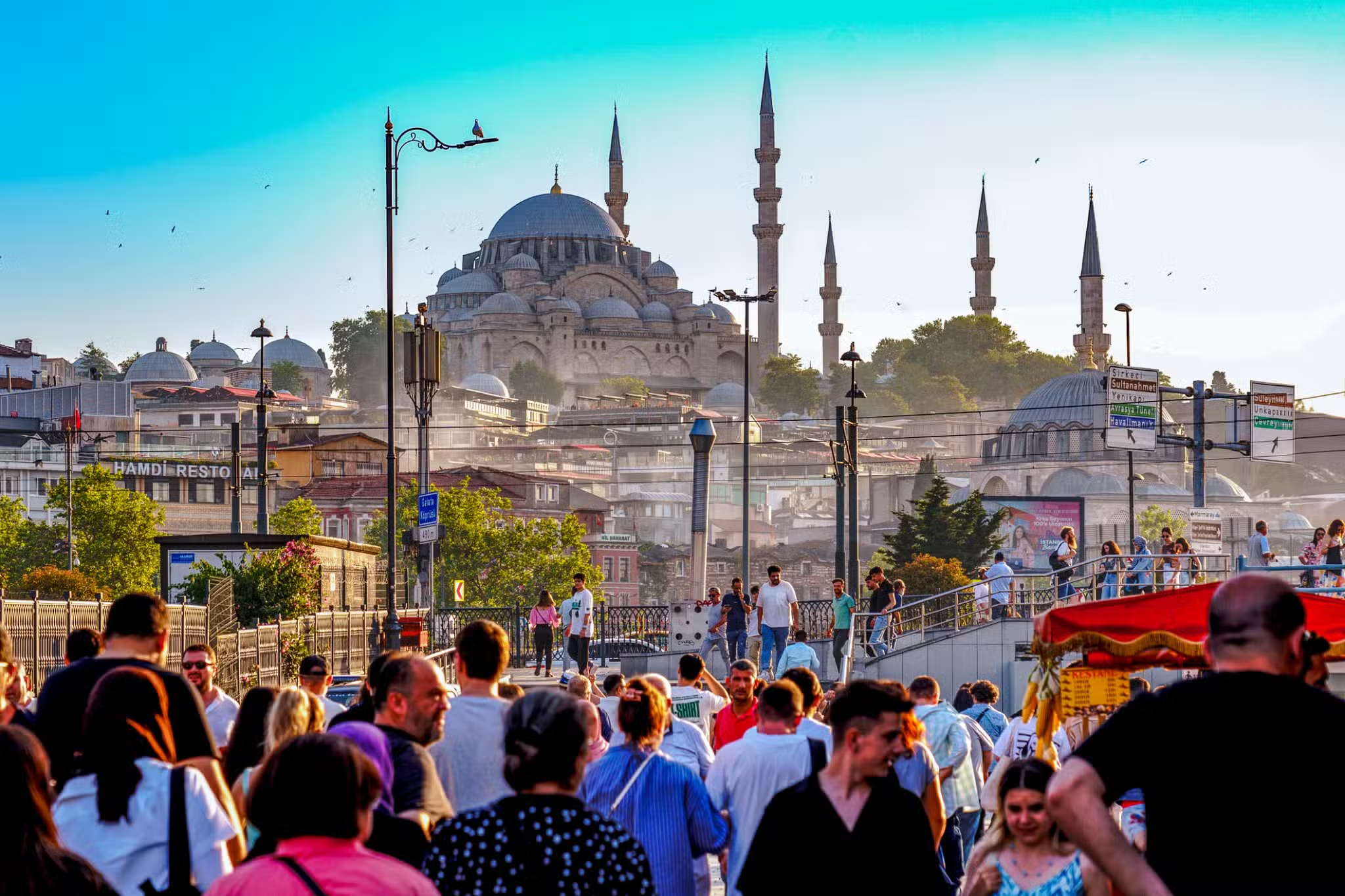
The Talking Turkish Phrasebook
The Talking Phrasebook Series presents useful phrases and words in side-by-side translation and with audio files specifically geared to help students work on listening skills and pronunciation. Below, you will find several useful phrases and words. To the left is the English and to the far right is the Turkish translation. In the center column for […]

Armenian Talking Phrasebook
The Talking Phrasebook Series presents useful phrases and words in side-by-side translation and with audio files specifically geared to help students work on listening skills and pronunciation. Below, you will find several useful phrases and words. To the left is the English and to the above right is an English transliteration of the Armenian translation. […]
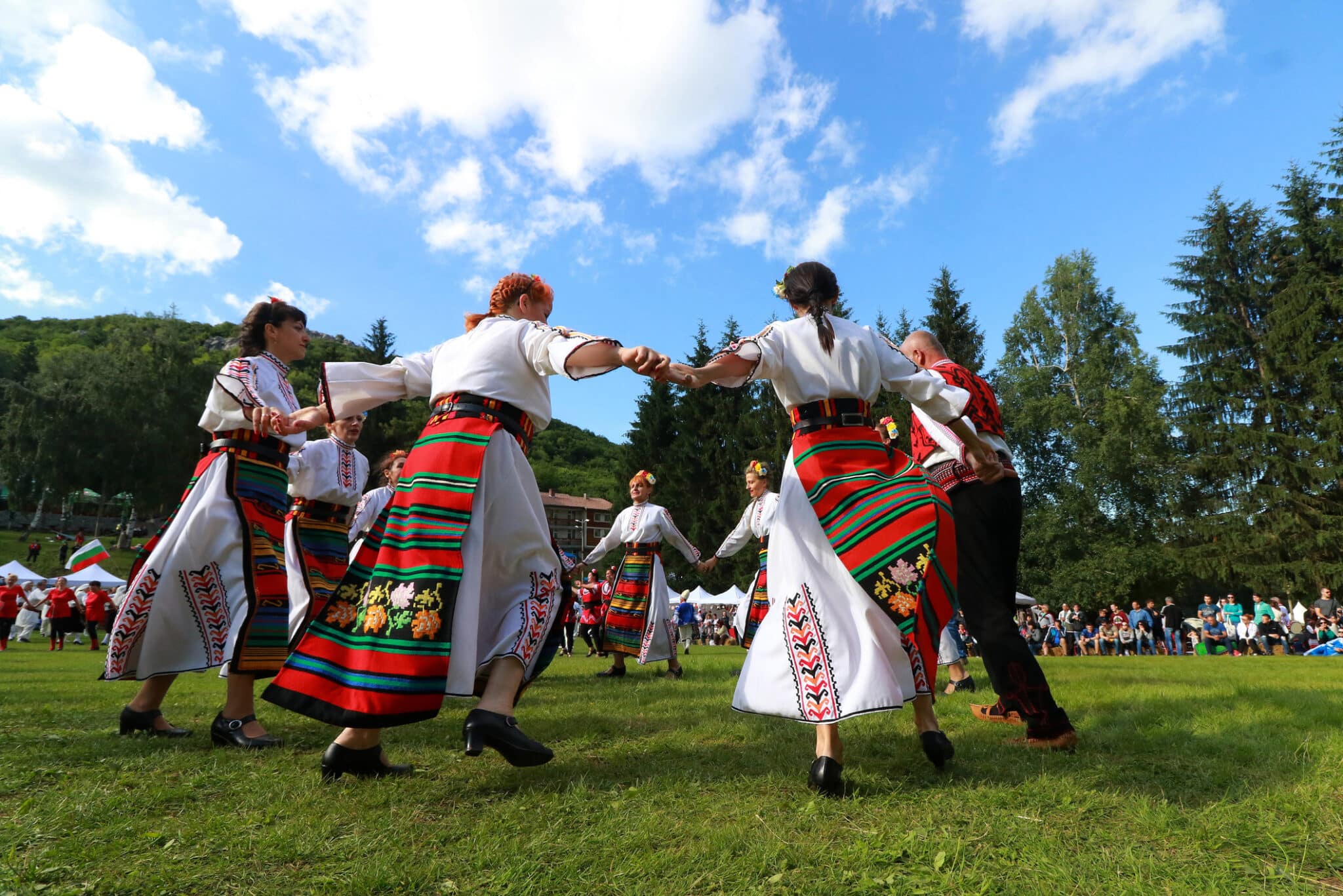
The Talking Bulgarian Phrasebook
The Talking Phrasebook Series presents useful phrases and words in side-by-side translation and with audio files specifically geared to help students work on listening skills and pronunciation. Each entry below, divided by category, features an English word or phrase in the left column and its Bulgarian translation in the right. In the center column for […]
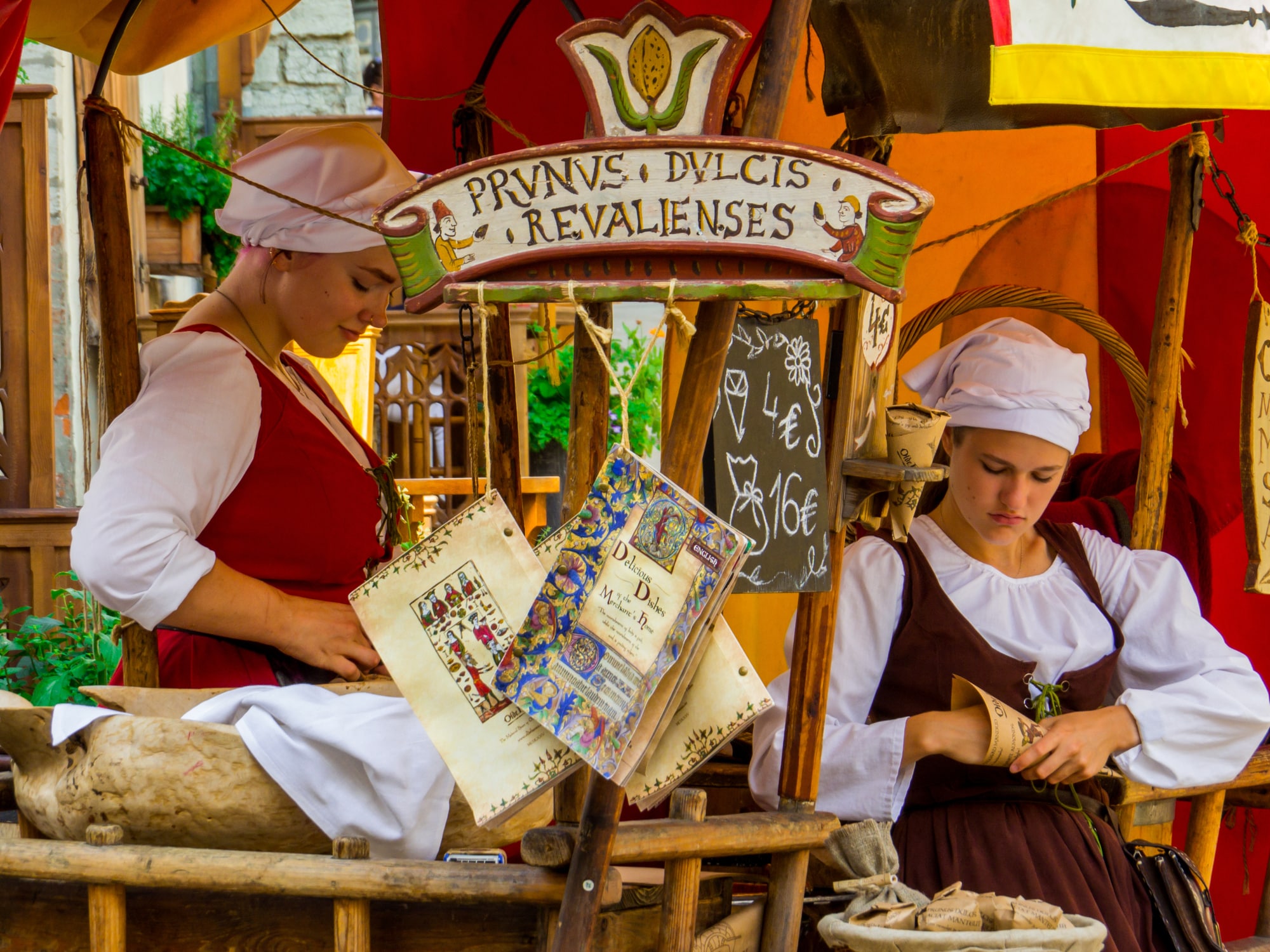
The Talking Estonian Phrasebook
The Talking Phrasebook Series presents useful phrases and words in side-by-side translation and with audio files specifically geared to help students work on listening skills and pronunciation. Below, you will find several useful phrases and words. To the left is the English and to the far right is the Estonian translation. In the center column […]
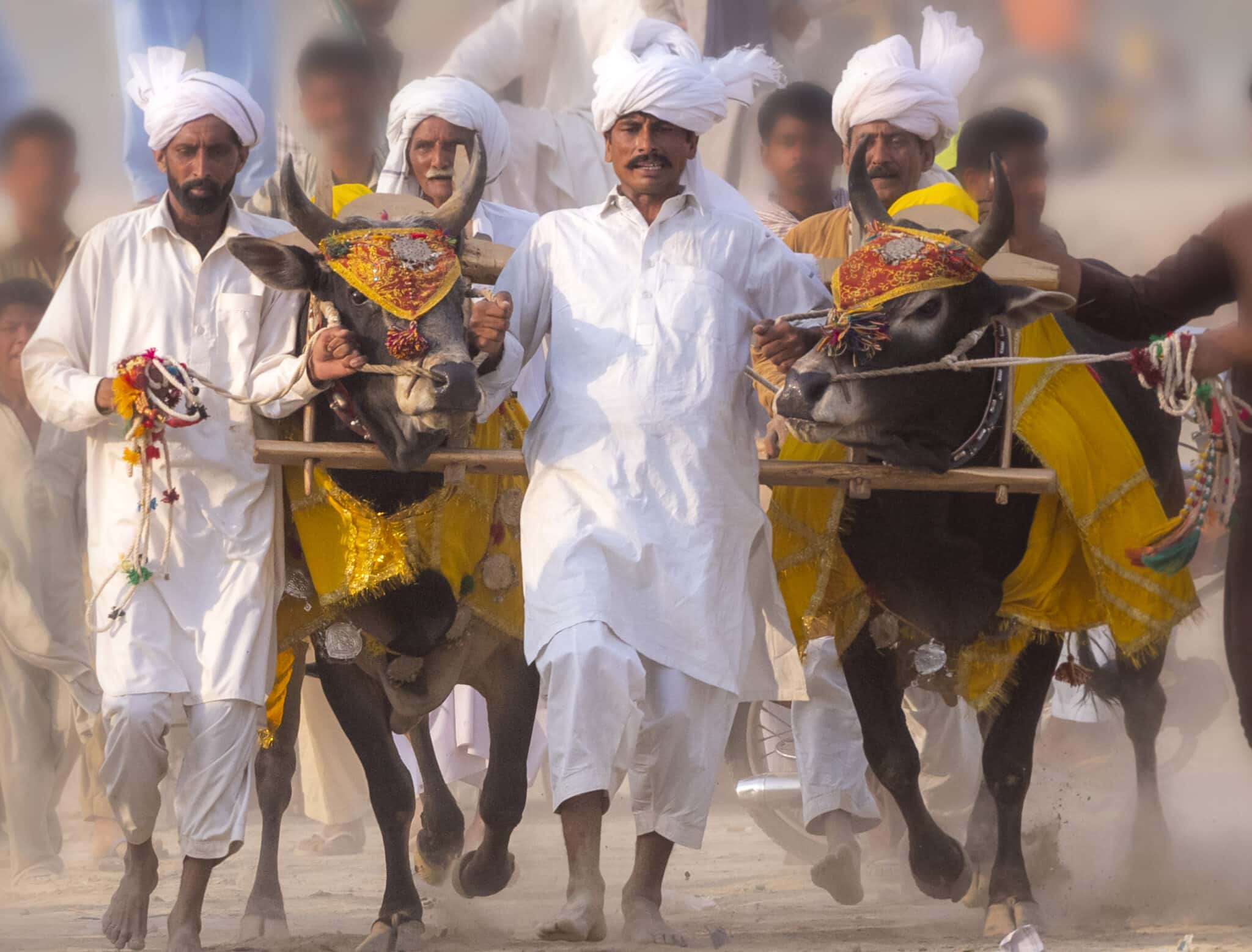
The Talking Punjabi Phrasebook
The Talking Phrasebook Series presents useful phrases and words in side-by-side translation and with audio files specifically geared to help students work on listening skills and pronunciation. Each entry below, divided by category, features an English word or phrase in the left column and its Punjabi translation in the right, presented in the original Punjabi […]