 Family of Sites
The Talking Phrasebook Series presents useful phrases and words in side-by-side translation and with audio files specifically geared to help students work on listening skills and pronunciation. Below, you will find several useful phrases and words. To the left is the English and to the far right is the Bosnian translation in both Latin and Cyrillic scripts.
In the center column for each row is a play button. The recorded file will feature first English, then the Bosnian in three versions: one slow, one with each syllable broken out, and a last version that will be spoken as it might be overheard in a conversation between native speakers.
10 Facts about Bosnian
Status: Bosnian is a South Slavic language in the Indo-European family. It is closely related to Croatian, Serbian, and Montenegrin, which are mutually intelligible and are often grouped together under the label BCMS. Long treated as a dialect of Serbo-Croatian, it gained wide recognition as a distinct language after being named an official language of Bosnia and Herzegovina following the breakup of Yugoslavia in the 1990s. The first grammar defining Bosnian as a distinct language appeared in 1996. For comparisons of vocabulary and pronunciation, see our Talking Serbian Phrasebook.
Speakers: Bosnian has approximately 2–3 million speakers worldwide, although estimate vary widely depending on how proficiency and diaspora populations are counted. The largest concentration of speakers lives in Bosnia and Herzegovina, although more ethnic Bosniaks are believed to reside outside of the country than within. Significant diaspora communities live in Turkey, Serbia, Montenegro, Croatia, Germany, and the United States, with fluency within diaspora communities varying heavily.
Turkish Influence: Bosnian has borrowed from many languages, but Turkish has had a particularly strong influence. Many Turkish loanwords entered Bosnian during the Ottoman’s centuries-long rule in the Balkans, when the region’s Bosniak Muslim population developed close ties with the empire. Influence has been reinforced by the long history of Bosniaks immigrating to Turkey, with that country now home to an estimated 1 million ethnic Bosniaks. Examples of Turkish words used in Bosnian include čaršija (“marketplace or town center”), jastuk (“pillow”), dućan (“shop”), čarapa (“sock”), džep (“pocket”), and kašika (“spoon”).
Cases: Bosnian has seven grammatical cases: nominative, genitive, dative, accusative, vocative, instrumental, and locative. Nouns, pronouns, and adjectives change their endings depending on their grammatical role in a sentence. For example, knjiga (“book”) changes to knjigu when used for the direct object in Čitam knjigu (“I am reading a book”).
Gender: All Bosnian nouns (both animate or inanimate) are either masculine, feminine, or neuter. Adjectives and other words within a noun phrase must agree with the noun in gender, number, and case. For example, dobar čovjek means “a good man,” while dobra žena translates to “a good woman.” Interestingly, dobro dijete means “a good child,” with “child” a gender-neutral word. Gender also affects past-tense verb forms.
Showing Respect: Bosnian distinguishes between the informal, singular ti (“you”), and the formal, plural Vi (“you”). When used formally for one person, Vi is capitalized, and plural verb forms are used. Titles can also convey respect: gospodin means “Mr.” or “sir,” while gospođa means “Mrs.” or “Ms.” The vocative case is used when addressing someone directly, making these gospodine and gospođo, respectively. Formal address is common with strangers, older people, and in professional settings. Switching from the formal Vi to the informal ti generally requires mutual familiarity or an invitation.
Regional Speech: Central, eastern, and western parts of Bosnia and Herzegovina, as well as the Sandžak region, which extends into neighboring Serbia and Montenegro, feature small variations in regional accents, pronunciations, and vocabularies. The Eastern Herzegovinian dialect is the basis of modern standard Bosnian.
Word Order and Dropping Subjects: Bosnian generally follows subject–verb–object word order such as in the sentence Ana čita knjigu (“Ana reads a book”). However, speakers can rearrange sentence elements for emphasis. For example, Knjigu Ana čita (“It’s a book that Ana reads”) places knjigu at the beginning to emphasize what Ana is reading. Subjects can also be omitted. For instance, if Ana has already been mentioned, Čita knjigu (“She reads a book”) already implies the pronoun in the verb conjugation, making its inclusion in the sentence unneeded.
Perfective and Imperfective: Like other Slavic languages, Bosnian distinguishes between perfective and imperfective verbs to indicate whether an action has been completed or is ongoing, habitual, or repeated. For example, pisati means “to write” or “to be writing,” while napisati means “to write to completion.”
The Verb “To Be”: Bosnian uses biti (“to be”) much more than other Slavic languages like Russian or Ukrainian. Present-tense forms of biti are irregular and include sam (“am”), si (“are”), and je (“is”). These forms appear in everyday expressions such as Gdje su toaleti? (“Where are the bathrooms?”) and Ja sam Amerikanka (“I am an (female) American”). Unlike English, Bosnian also uses biti as an auxiliary in the past tense: On je radio means “He worked.” The future tense is generally formed with a form of htjeti (“to want”), as in Ja ću raditi (“I will work”). Biti also appears in passive and conditional constructions.
The Bosnian Alphabet
Bosnian is written primarily with a Latin script containing 30 letters. Its spelling system is generally phonetic, with words pronounced as they are written. Cyrillic is legally recognized and also has a standard alphabet but, in practice, is rarely used.
| Letter | Approximate pronunciation for English speakers | Bosnian example | Meaning |
|---|---|---|---|
| A a | ah, as in “father” | auto | car |
| B b | b, as in “bed” | baba | grandmother |
| C c | ts, as in “cats” | cvijet | flower |
| Č č | ch, as in “church” | čaj | tea |
| Ć ć | A softer ch sound; tongue closer to the front of the mouth | ćevap | grilled meat |
| D d | d, as in “dog” | dan | day |
| Dž dž | j, as in “judge” | džep | |
| Đ đ | A softer j sound, pronounced farther forward than English “j” | đak | pupil/student |
| E e | eh, as in “bed” | eno | there it is |
| F f | f, as in “fun” | film | film |
| G g | Hard g, as in “go” | grad | city |
| H h | h, as in “hat,” pronounced clearly | hvala | thank you |
| I i | ee, as in “see” | igra | game |
| J j | y, as in “yes” | jabuka | apple |
| K k | k, as in “kite” | kafa | coffee |
| L l | l, as in “look” | list | leaf; sheet |
| Lj lj | Similar to lli in “million,” pronounced as one sound | ljubav | love |
| M m | m, as in “man” | more | sea |
| N n | n, as in “no” | noć | night |
| Nj nj | Similar to ny in “canyon,” pronounced as one sound | njiva | field |
| O o | o, like the vowel in “more,” but shorter and purer | oko | eye |
| P p | p, as in “spin” | pas | dog |
| R r | A tapped or lightly rolled r | ruka | hand/arm |
| S s | s, as in “sun” | sunce | sun |
| Š š | sh, as in “ship” | škola | school |
| T t | t, as in “stop” | tata | dad |
| U u | oo, as in “food” | ulica | street |
| V v | v, as in “vine” | voda | water |
| Z z | z, as in “zoo” | zima | winter |
| Ž ž | zh, like the middle sound in “measure” | žena | woman |
Survival Basics in Bosnian
| Hello! | Zdravo!
Здраво! *informal |
|
| Hello! | Gdje si!?
Гдје си!? *informal (literal translation is “Where are you!?”) |
|
| Yes | Da
Да |
|
| No | Ne
Не |
|
| Good morning! | Dobro jutro!
Добро јутро! |
|
| Good afternoon! | Dobar dan!
Добар дан! |
|
| Good evening! | Dobro veče!
Добро вече! |
|
| What’s up? | Šta se radi?
Шта се ради? |
|
| What’s up? | Šta ima?
Шта има? |
|
| How are you? | Kako si? (sing./informal)
Како си? |
|
| How are you? | Kako ste? (pl./formal)
Како сте? |
|
| Good, thanks, and you? | Dobro, hvala, a vi? (pl./formal)
Добро, хвала, а Ви? |
|
| Good bye! | Ćao!
Ћао! *infomal |
|
| Good bye! | Doviđenja!
Довиђенја! *formal |
|
| See you later! | Vidimo se!
Видимо се! |
|
| Sorry! | Izvini!
Извини! |
|
| Open/closed | Otvoreno/zatvoreno
Отворено/затворено |
|
| Pull/push | Повuci/guraj
Повуци/гурај *when referring to a door |
|
| Small/big | Malo/veliko
Мало/велико |
|
| Do you speak English? | Da li govorite Engleski? (pl./formal)
Да ли говорите Енглески? |
|
| I don’t speak English. | Ja ne govorim Engleski.
Ја не говорим Енглески. |
|
| I only speak a little Bosnian. | Ja samo malo govorim Bosanski.
Ја само мало говорим Босански. |
|
| I understand | Ja razumijem.
Ја разумијем. |
|
| I don’t understand. | Ja ne razumijem.
Ја не разумијем. |
|
| Thank you! | Hvala!
Хвала |
|
| Thank you very much! | Hvala puno!
Хвала пуно! |
|
| Very well, thanks! | U redu, hvala!
У реду, хвала! |
|
| Well/Good | Dobro (adv.)
Добро |
|
| Poor/Bad | Loše (adv.)
Лоше |
|
| Please | Molim Vas (pl./formal)
Молим Вас *When asking for something politely |
|
| You’re welcome! | Nema na čemu!
Нема на чему! *when responding to “Hvala!” |
|
| Enjoy! | Prijatno!
Пријатно! *When someone is eating *formally used after “Doviđenja” (meaning “have a nice day”) *it can also simply mean nice/pleasant |
|
| Excuse me! | Izvinite!
Извините! |
|
| A little | Malo
Мало |
|
| Could you speak more slowly? | Možete li pričati malo sporije?
Можете ли да причате мало спорије_ (pl./formal) |
|
| Could you repeat, please? | Možete li ponoviti molim vas?
Можете ли да поновите молим Вас? (pl./formal) |
|
| Could you write that down? | Možete li to zapisati? (pl./formal)
Можете ли то да запишете? |
|
| I would like to make an appointment. | Želim zakazati termin.
Желим закаzati термин. |
|
| My bag was stolen | Moja torba je bila ukradena
Моја торба је била украдена. |
|
| My wallet was stolen | Moj novčanik je bio ukraden
Мој новчаник је био украден |
|
| My passport was stolen | Moj pasoš je bio ukraden.
Мој пасош је био украден. |
|
| I need a doctor! | Treba mi doktor!
Треба ми доктор! |
|
| Call the police! | Zovite policiju! (pl.)
Зовите полицију! |
Introductions in Bosnian
| What is your name? | Kako se zovete? (pl./formal)
Како се зовете? |
||
| Pleased to meet you! | Drago mi je!
Драго ми је! To which you respond “Također/Такођер” (It’s mutual). |
||
| I am 25 years old. | Imam dvadeset pet godina.
Имам двадесет пет година. |
||
| How old are you? | Koliko imate godina? (pl./formal)
Колико имате година? |
||
| Where are you from? | Odakle ste? (pl./formal)
Одакле сте? |
||
| I am American. | Ja sam Amerikanka/Amerikanac.
Ја сам Американка/Американац. (f./м.) |
||
| No, I am from Canada. | Ne, ja sam iz Kanade.
Не, ја сам из Канаде. |
||
| She is German. | Ona je Njemica.
Она је Њемица |
||
| He is Irish. | On je Irac.
Он је Ирац. |
||
| We are from France. | Mi smo iz Francuske.
Ми смо из Француске. |
||
| They are from Wales. | Oni su iz Velsa.
Они су из Велса. |
||
| How do you like Bosnia and Herzegovina? | Kako Vam se sviđa Bosna i Hercegovina?
Како Вам се свиђа Босна и Херцеговина? (pl./formal) |
||
| I like Bosnia and Herzegovina very much. | Mnogo mi se sviđa Bosna i Hercegovina.
Много ми се свиђа Босна и Херцеговина. |
||
| Have you ever been to Sarajevo? | Jeste li ikad bili u Sarajevu?
Јесте ли икад били у Сарајеву? (pl./formal) |
||
| I have never been to Mostar before. | Ja nikad nisam bio/bila u Mostaru.
Ја никад нисам био/била у Мостару. (m./f./sing.) |
||
| This is my second time in Bosnia. | Ovo mi je drugi put u Bosni i Hercegovini.
Ово ми је други пут у Босни и Херцеговини. |
||
| What do you do? | Čime se bavite? (pl./formal)
Чиме се бавите? |
||
| I am a doctor | Ja sam doktor/doktorka. (m./f.)
Ја сам доктор/докторка |
||
| I am a teacher | Ja sam učitelj/učiteljica. (m./f.)
Ја сам учитељ/учитељица. |
||
| I am a student. | Ja sam student.
Ја сам студент. |
||
| I am on vacation. | Ja sam na odmoru.
Ја сам на одмору. *If you’re working |
||
| I am on vacation. | Ja sam na raspustu.
Ја сам на распусту. *If you are a student on break |
||
| I am here on business. | Ja sam ovdje poslovno.
Ја сам овдје пословно. |
||
| I am studying here. | Ja ovdje studiram.
Ја овдје студирам. |
Asking Directions
| Where are the toilets? | Gdje je WC?
Гдје je WC? |
|
| Men | Muški (WC)
Мушки (WC) |
|
| Women | Ženski (WC)
Женски (WC) |
|
| Where is the nearest bank? | Gdje je najbliža banka?
Гдје је најближа банка? |
|
| Where is the nearest post office? | Gdje je najbliža pošta?
Гдје је најближа пошта? |
|
| Where is the nearest train station? | Gdje je najbliža željeznička stanica?
Гдје је најближа железничка станица? |
|
| Where can I find Wi-Fi? | Gdje mogu naći Wi-Fi?
Гдје могу наћи Wi-Fi? |
|
| Do you know the Wi-Fi password? | Da li znate lozinku za Wi-Fi?
Да ли знате лозинку за Wi-Fi? |
|
| How can I order a taxi? | Kako mogu naručiti taksi?
Како могу наручити такси? |
|
| Straight ahead! | Samo pravo!
Само право! |
|
| Take a right! | Skrenite desno! (pl./formal)
Скрените десно! |
|
| Take a left! | Skrenite lijevo! (pl./formal)
Скрените лијево! |
|
| After the stoplight | Poslije semafora
Послије семафора |
|
| Next/First/Last | Sljedeće/Prvo/Posljednje
Слједеће/Прво/Послједње |
Shopping
| How much does that cost? | Koliko to košta?
Колико то кошта? |
|
| The menu, please! | Mogu li dobiti jelovnik?
Могу ли добити јеловник? |
|
| I’d like a beer, please | Želim pivo, molim vas (pl./formal).
Желим пиво, молим вас. |
|
| I’d like the bill, please. | Može li račun, molim vas? (pl./formal)
Може ли рачун, молим вас? |
|
| Do you accept credit cards? | Primate li kreditne kartice?
Примате ли кредитне картице? |
Counting in Bosnian
| 0 | nula
нула |
|
| 1 | jedan
један |
|
| 2 | dva
два |
|
| 3 | tri
три |
|
| 4 | četiri
четири |
|
| 5 | pet
пет |
|
| 6 | šest
шест |
|
| 7 | sedam
седам |
|
| 8 | osam
осам |
|
| 9 | devet
девет |
|
| 10 | deset
десет |
|
| 11 | jedanaest
једанаест |
|
| 12 | dvanaest
дванаест |
|
| 13 | trinaest
тринаест |
|
| 14 | četrnaest
четрнаест |
|
| 15 | petnaest
петнаест |
|
| 16 | šesnaest
шеснаест |
|
| 17 | sedamnaest
седамнаест |
|
| 18 | osamnaest
осамнаест |
|
| 19 | devetnaest
деветнаест |
|
| 20 | dvadeset
двадесет |
|
| 21 | dvadeset jedan
Двадесет један |
|
| 22 | dvadeset dva
Двадесет два |
|
| 30 | trideset
тридесет |
|
| 40 | četrdeset
четрдесет |
|
| 50 | pedeset
петдесет |
|
| 60 | šezdeset
шездесет |
|
| 70 | sedamdeset
седамдесет |
|
| 80 | osamdeset
осамдесет |
|
| 90 | devedeset
деведесет |
|
| 100 | sto
сто |
|
| 111 | sto jedanaest
сто једанаест |
|
| 125 | sto dvadeset pet
сто двадесет пет |
|
| 200 | dvјesta
двеста |
|
| 300 | trista
триста |
|
| 400 | četristo
четиристо |
|
| 500 | petsto
петсто |
|
| 600 | šeststo
шестсто |
|
| 700 | sedamsto
седамсто |
|
| 800 | osamsto
осамсто |
|
| 900 | devetsto
деветсто |
|
| 1000 | hiljadu
хилјаду |
More Phrasebooks!
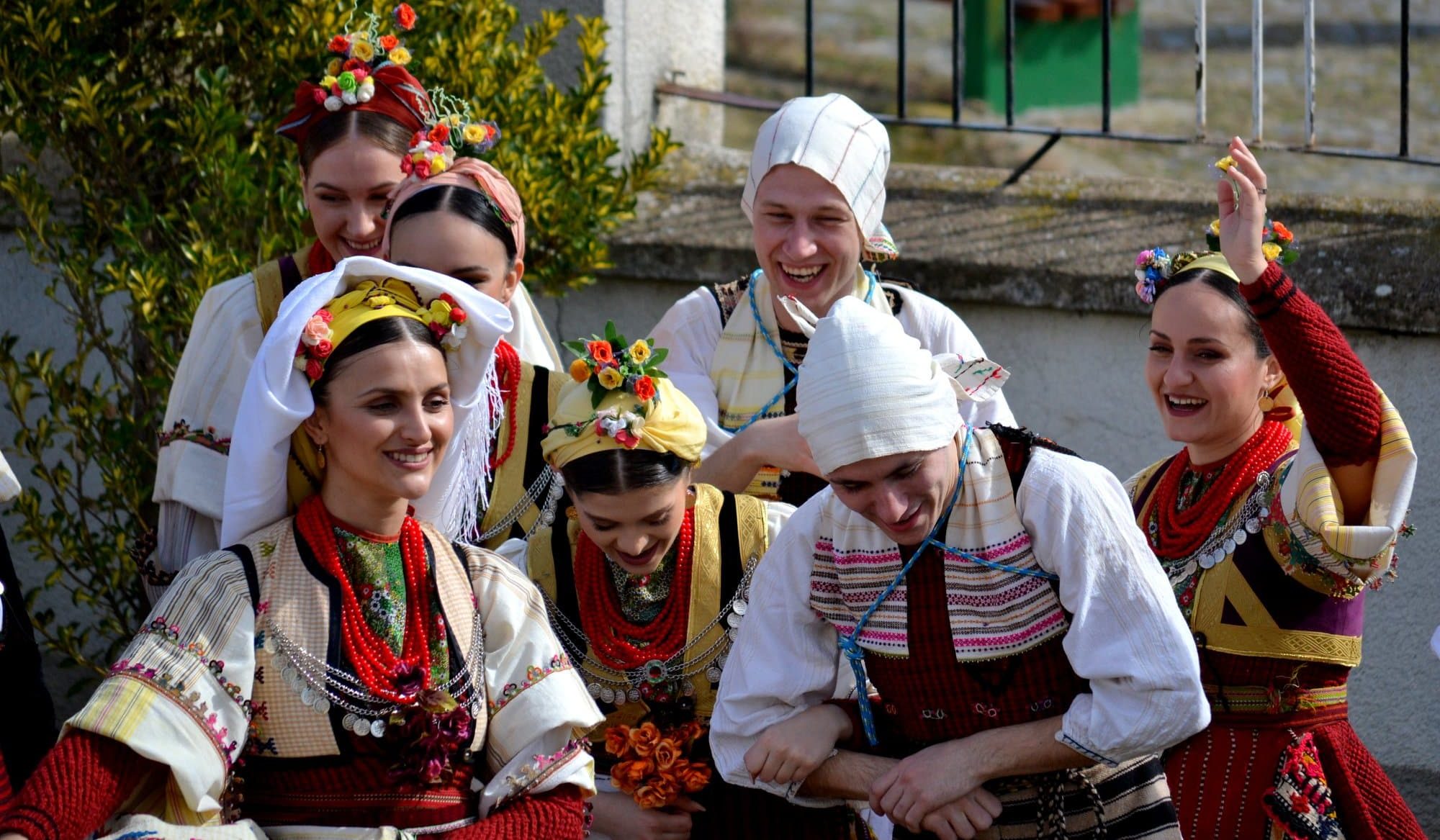
The Talking Macedonian Phrasebook
The Talking Phrasebook Series presents useful phrases and words in side-by-side translation and with audio files specifically geared to help students work on listening skills and pronunciation. Below, you will find several useful phrases and words. To the left is the English and to the far right is the Macedonian translation in both Latin and […]
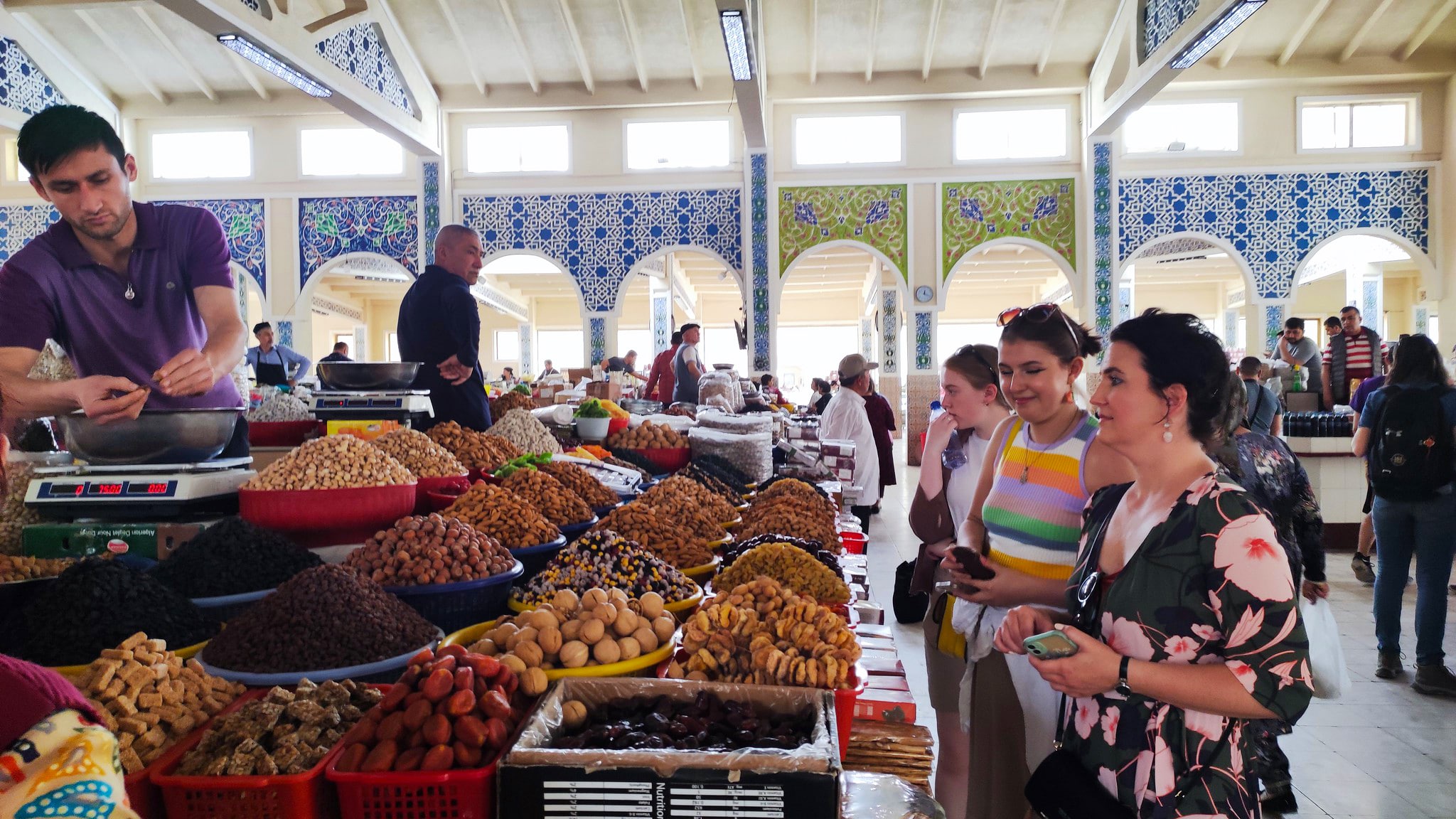
The Talking Uzbek Phrasebook
The Talking Phrasebook Series presents useful phrases and words in side-by-side translation and with audio files specifically geared to help students work on listening skills and pronunciation. Below, you will find several useful phrases and words. To the left is the English and to the far right is the Uzbek translation. Uzbek is currently transitioning […]
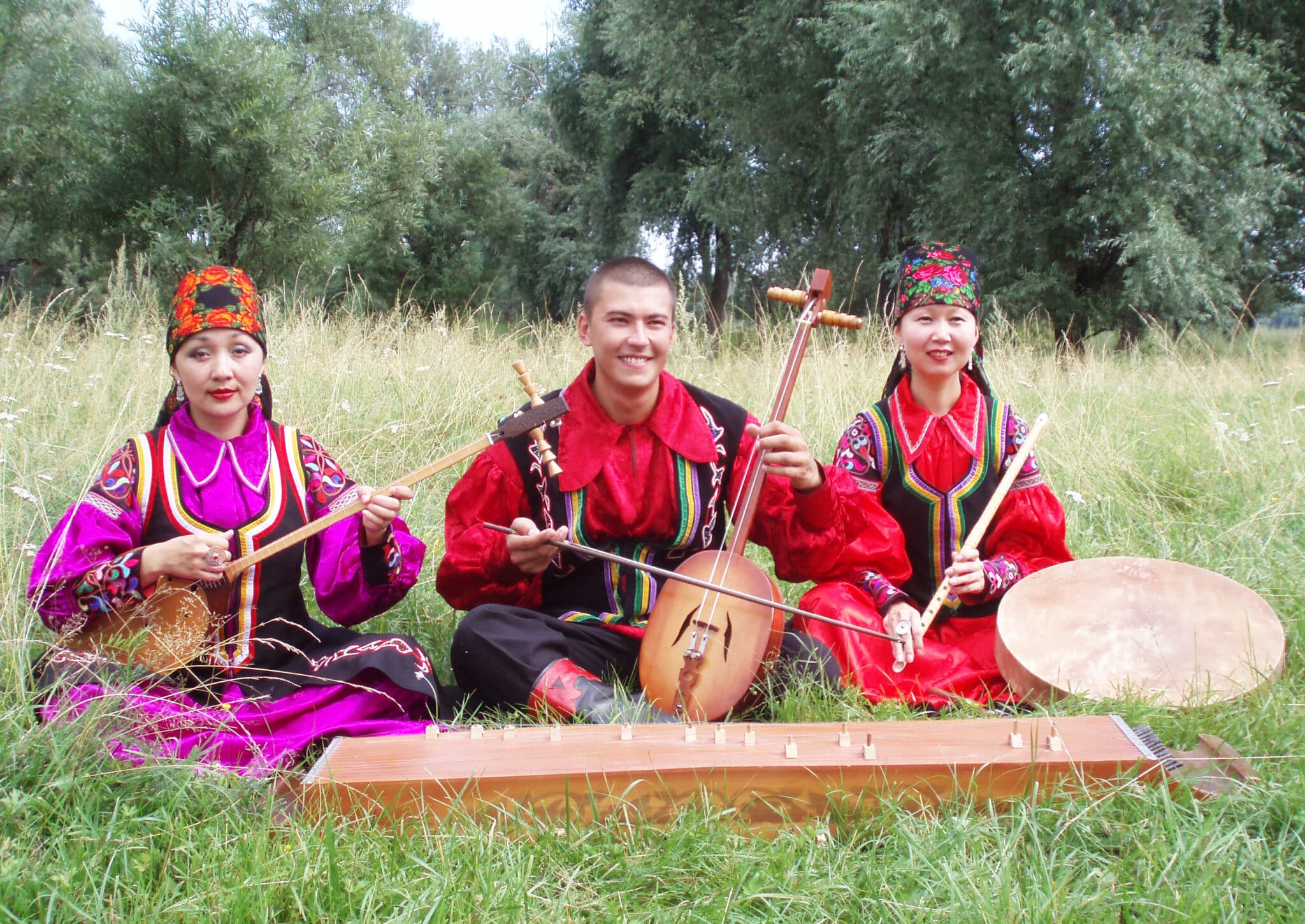
The Talking Khakas Phrasebook
The Talking Phrasebook Series presents useful phrases and words in side-by-side translation and with audio files specifically geared to help students work on listening skills and pronunciation. Each entry below, divided by category, features an English word or phrase in the left column and its Khakas translation in the right, presented in the original Khakas […]
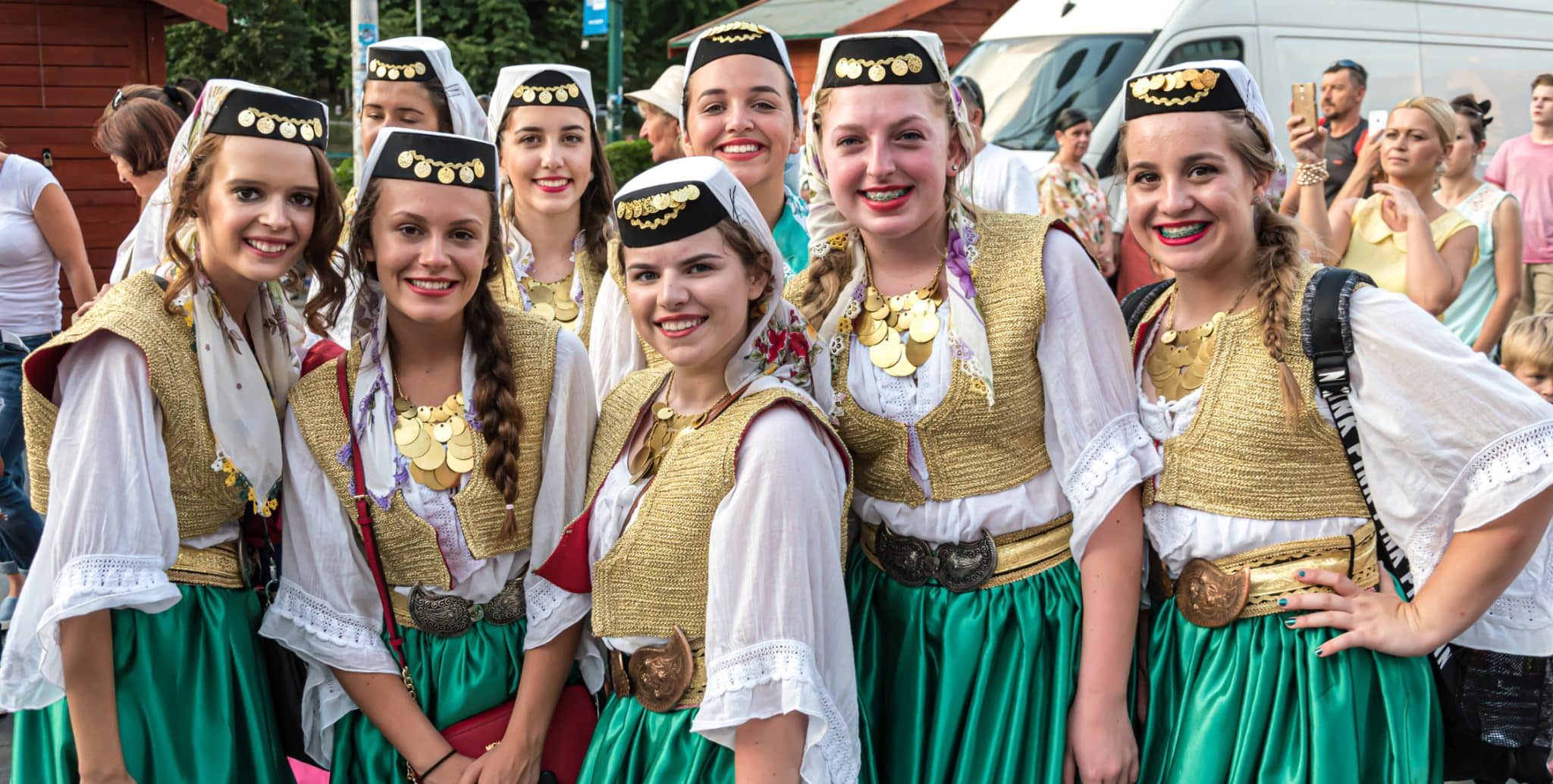
The Talking Bosnian Phrasebook
The Talking Phrasebook Series presents useful phrases and words in side-by-side translation and with audio files specifically geared to help students work on listening skills and pronunciation. Below, you will find several useful phrases and words. To the left is the English and to the far right is the Bosnian translation in both Latin and […]
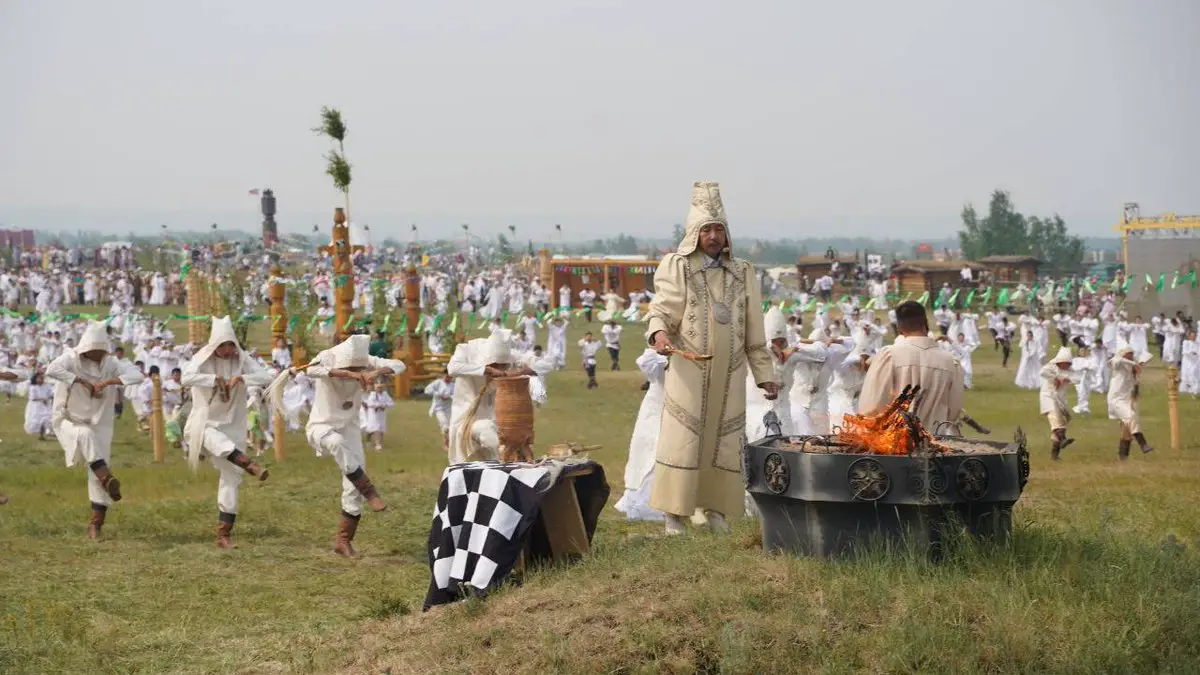
The Talking Yakut (Sakha) Phrasebook
The Talking Phrasebook Series presents useful phrases and words in side-by-side translation and with audio files specifically geared to help students work on listening skills and pronunciation. Each entry below, divided by category, features an English word or phrase in the left column and its Russian translation in the right. The Russian is presented in […]