 Family of Sites
The Talking Phrasebook Series presents useful phrases and words in side-by-side translation and with audio files specifically geared to help students work on listening skills and pronunciation. Below, you will find several useful phrases and words. To the left is the English and to the far right is the Farsi translation in both Latin and Perso-Arabic scripts.
In the center column for each row is a play button. The recorded file will feature first English, then the Farsi in three versions: one slow, one with each syllable broken out, and a last version that will be spoken as it might be overheard in a conversation between native speakers.
10 Facts About Farsi
Status: Farsi is an Indo-European language distantly related to English, Greek, and Hindi. Its branch diverged from other Indo-European languages sometime in the late 3rd millennium BCE.
Farsi vs. Persian: The terms “Farsi” and “Persian” are often treated as interchangeable, creating some confusion. “Persian” is an exonym that has been used for centuries in English. Meanwhile, “Farsi” (فارسی) is an endonym used in Iran. Persian languages also include Dari (دری), spoken in Afghanistan, and Tajik (тоҷикӣ), spoken in Tajikistan. All three are generally mutually intelligible, yet differ in pronunciation, vocabulary, and even writing systems. Further, most speakers of Tajik or Dari would not say that they speak Farsi. This resource focuses on the Persian spoken in Tehran, Iran, and uses “Farsi” to refer to it. For comparison, see our Tajik phrasebook.
Speakers: An estimated 110–130 million people speak Persian varieties worldwide, most of them in Iran. An estimated 3–4 million Farsi speakers live outside Iran, with major diaspora communities in the United States, Kuwait, the United Arab Emirates, and Germany. The United States alone has nearly half a million speakers, many concentrated in California.
Influences: Persian varieties have borrowed from different languages, and their vocabularies and other features reflect these varied influences. Farsi has been particularly influenced by Arabic and French, while Tajik shows stronger Russian and Turkic influences, especially from Uzbek. Dari retains more Classical and Old Persian vocabulary and vowel features than Farsi or Tajik and also reflects influence from languages such as Urdu and Pashto.
Gender: Persian does not distinguish grammatical gender. The third-person singular pronoun او (pronounced “oo”) means both “he” and “she.” Nouns do not have masculine or feminine forms, and many titles and relationship terms are gender-neutral. For example, همسر (hamsar) means “spouse;” Farsi does not have separate terms for “husband” or “wife.”
Diminutives: Persian uses suffixes to form diminutives, which can express small size, affection, or other attitudes. The suffix ی (-i) can create affectionate forms of personal names. For example, فاطمه (Fāṭeme) may become فاطی (Fāṭi) as a familiar or affectionate nickname. The suffix ـک (-ak) can indicate smallness or convey an emotional tone. دختر (dokhtar) means “girl,” while دخترک (dokhtarak) means “little girl” and can suggest affection or pity. مردک (mardak), literally “little man,” is often dismissive. The suffix ـچه (-che) commonly indicates a smaller version of the undeclined noun would refer to. For example, باغ (bāgh, garden) becomes باغچه (bāghche, small garden), while کتاب (ketāb, book) becomes کتابچه (ketābche, booklet). It can also indicate affection.
Respect: Persian expresses respect primarily through titles, pronouns, and verb forms. For instance, آقا (āghā, Mr./sir) and خانم (khānom, Ms./Mrs.) can be used before names or on their own when addressing someone to show respect. Persian, like many languages, also distinguishes between an informal you, تو (pronounced “to”), and formal or plural you شما (pronounced “shomā”). The first is used with close friends, children, and family members when appropriate, and shomā with strangers, older people, and in formal situations. Because شما (shomā) is plural, plural verb forms are used with it. For example, شما خوب هستید؟ (shomā khub hastid?) means “Are you well?” while تو خوب هستی؟ (to khub hasti?) is the informal equivalent.
Cases: While Old Persian had a rich case system, modern Persian relies primarily on word order (typically subject-object-verb) and prepositions to express grammatical relationships. Genitive possession is still constructed with ezāfe, a linking vowel that connects a noun to a following modifier or possessor. For example, کتابِ من (ketâb-e man) means “my book,” with the ezāfe linking کتاب (ketâb, book) to من (man, I/me).
Definite/Indefinite: Persian has no direct equivalents of the English articles “a,” “an,” and “the,” but it can express indefiniteness and definiteness through markers, suffixes, and context. The suffix ی (-i) can mark an indefinite noun: کتابی (ketâbi, a book). Alternatively, یک (yek, one) can precede the noun with similar effect, as in یک کتاب (yek ketâb, a book or one book). An unmarked noun may be interpreted as definite or indefinite depending on context. In colloquial Persian, the suffix ـه (-e) can mark a definite noun, as in کتابه (ketâbe, the book).
Dialects: Farsi has several regional dialects, including those of Tehran, Isfahan, Shiraz, and Khorasan. Standard Iranian Persian is largely based on the Tehran variety (which is illustrated below), although regional speech differs in accent and vocabulary. Dari and Tajik also have regional dialects.
The Farsi Alphabet
Modern Farsi uses a modified Perso-Arabic script with 32 letters. Adapted from the 28-letter Arabic alphabet, it adds four letters for sounds not found in Arabic: پ (p), چ (ch), ژ (zh), and گ (g). The cursive script is written from right to left and does not use capital letters.
| Letter | Letter name | Approximate pronunciation | Example in Farsi | Meaning |
|---|---|---|---|---|
| ا | Alef | Long “a” as in father; also a vowel carrier | آب (âb) | Water |
| ب | Be | b as in boy | باران (bârân) | Rain |
| پ | Pe | p as in pen | پدر (pedar) | Father |
| ت | Te | t as in top | تابستان (tâbestân) | Summer |
| ث | Se | s as in sun | ثانیه (sâniye) | Second |
| ج | Jim | j as in jam | جان (jân) | Life; soul |
| چ | Che | ch as in chair | چای (chây) | Tea |
| ح | He | h as in hat | حال (hâl) | Condition; mood |
| خ | Khe | kh, like ch in Scottish loch | خوب (khub) | Good |
| د | Dal | d as in dog | در (dar) | Door |
| ذ | Zal | z as in zoo | ذره (zare) | Particle; speck |
| ر | Re | A lightly tapped or rolled r | روز (ruz) | Day |
| ز | Ze | z as in zebra | زبان (zabân) | Language; tongue |
| ژ | Zhe | zh, like s in measure | ژاله (zhâle) | Dew |
| س | Sin | s as in sit | سیب (sib) | Apple |
| ش | Shin | sh as in ship | شب (shab) | Night |
| ص | Sad | s as in sun | صدا (sedâ) | Sound; voice |
| ض | Zad | z as in zoo | مریض (mariz) | Sick; ill |
| ط | Ta | t as in top | طوطی (tuti) | Parrot |
| ظ | Za | z as in zoo | ظرف (zarf) | Dish; container |
| ع | Ayn | No exact English equivalent; often weak or silent in modern Iranian Persian | عینک (eynak) | Glasses |
| غ | Ghayn | gh, a voiced, throaty sound; often similar to French r | غذا (ghazâ) | Food |
| ف | Fe | f as in fish | فیل (fil) | Elephant |
| ق | Qaf | Deep q; often pronounced like gh in Tehran Persian | قند (qand) | Sugar cube |
| ک | Kaf | k as in kite | کتاب (ketâb) | Book |
| گ | Gaf | g as in go | گل (gol) | Flower |
| ل | Lam | l as in lamp | لب (lab) | Lip |
| م | Mim | m as in man | مادر (mâdar) | Mother |
| ن | Nun | n as in no | نان (nân) | Bread |
| و | Vav | v as in van; also represents vowel sounds | ورزش (varzesh) | Exercise; sport |
| ه | He | h as in house; can also represent a final vowel | هوا (havâ) | Air; weather |
| ی | Ye | y as in yes; also represents vowel sounds | یخ (yakh) | Ice |
Survival Basics
| Hello! | Salam!
سلام! (common) |
|
| Hello! | Dorood!
درود! (formal/polite) |
|
| Yes | Bale
بله |
|
| No | Kheyr
خیر |
|
| Good morning! | Sobh bekheyr!
صبح بهخیر! |
|
| Good afternoon! | Rooz bekheyr!
روز بهخیر! |
|
| Good evening! | Asr bekheyr!
عصر بهخیر! |
|
| What’s up? | Chikaara mikoni?
چیکارا میکنی؟ (informal) |
|
| What’s up? | Che khabar?
چه خبر؟ (informal) |
|
| How are you? | Halet chetore?
حالت چطوره؟ (informal) |
|
| How are you? | Haletun chetor Hast?
حالتون چطور هست؟ (formal) |
|
| Good, thanks, and you? | Khoobam sepaas, shoma chetorid?
خوبم سپاس، شما چطورید؟ |
|
| Good bye! | Khodahafez!
خداحافظ! (common) |
|
| Good bye! | Fe’lan!
فعلا! (informal) |
|
| See you later! | Ba’dan mibinamet!
بعداً میبینمت! |
|
| Sorry! | Bebakhshid!
ببخشید! |
|
| Open/closed | Baz / Baste
باز / بسته |
|
| Pull/push | Bekeshid / Feshar dahid
بکشید / فشار دهید (when referring to a door) |
|
| Small/big | Koochak / Bozorg
کوچک / بزرگ |
|
| Do you speak English? | Aya englisi sohbat mikonid?
آیا انگلیسی صحبت میکنید؟ |
|
| I don’t speak English. | Man englisi sohbat nemikonam.
من انگلیسی صحبت نمیکنم. |
|
| I only speak a little Persian. | Man faghat kami farsi baladam.
من فقط کمی فارسی بلدم. |
|
| I understand. | Motevajjeh misham.
متوجه میشم. |
|
| I don’t understand. | Motevajjeh nemisham.
متوجه نمیشم. |
|
| Thank you! | Sepaas!
سپاس! |
|
| Thank you very much! | Kheyli mamnoon!
خیلی ممنون! |
|
| Very well, thanks! | Kheyli khoob, sepaas!
خیلی خوب، سپاس! |
|
| Well/Good | Khoob
خوب |
|
| Poor/Bad | Bad
بد |
|
| Please | Lotfan
لطفاً |
|
| You’re welcome! | Khahesh mikonam!
خواهش میکنم! |
|
| Enjoy! | Nooshe jan!
نوش جان! (when someone is eating) |
|
| Excuse me! | Bebakhshid!
ببخشید! |
|
| A little | Kami
کمی |
|
| Could you speak more slowly? | Mitunid kami ahesteh tar sohbat konid?
میتونید کمی آهستهتر صحبت کنید؟ |
|
| Could you repeat, please? | Mitunid lotfan tekrar konid?
میتونید لطفاً تکرار کنید؟ |
|
| Could you write that down? | Mitunid benevisidesh?
میتونید بنویسیدش؟ |
|
| I would like to make an appointment. | Mikham yek vaght reserv konam.
میخوام یک وقت رزرو کنم. |
|
| My bag was stolen | Kife man dozdide shod.
کیف من دزدیده شد. |
|
| My wallet was stolen | Kife poole man dozdide shod.
کیف پول من دزدیده شد. |
|
| My passport was stolen | Gozarnaameye man dozdide shod.
گذرنامه من دزدیده شد. |
|
| I need a doctor! | Be pezeshk niaz daram!
به پزشک نیاز دارم! |
|
| Call the police! | Ba police tamas begirid!
با پلیس تماس بگیرید! |
Introductions in Persian
| What is your name? | Naameh shoma chiye?
نام شما چیه؟ |
|
| Pleased to meet you! | Az ashnaee ba shoma khoshbakhtam!
از آشنایی با شما خوشبختم! |
|
| I am 25 years old. | Man bist o panj sale hastam.
من بیست و پنج ساله هستم. |
|
| How old are you? | Chand saletune?
چند سالتونه؟ |
|
| Where are you from? | Ahle koja hastid?
اهل کجا هستید؟ |
|
| I am American. | Man amrikaee hastam.
من آمریکایی هستم. |
|
| No, I am from Canada. | Kheyr, man ahle kanada hastam.
خیر، من اهل کانادا هستم. |
|
| She is German. | Oo almanee ast.
او آلمانی است. |
|
| He is Irish. | Oo erlandi ast.
او ایرلندی است. |
|
| We are from France. | Ma ahle faranse hastim.
ما اهل فرانسه هستیم. |
|
| They are from Wales. | Anha ahle velz hastand.
آنها اهل ولز هستند. |
|
| How do you like Iran? | Iran ro chetor mibinid?
ایران رو چطور میبینید؟ |
|
| I like Iran very much. | Man iran ro kheyli doost daram.
من ایران رو خیلی دوست دارم. |
|
| Have you ever been to Mashhad? | Ta hala mashhad raftid?
تا حالا مشهد رفتید؟ |
|
| I have never been to Isfahan before. | Man ta be hal esfahan naraftam.
من تا به حال اصفهان نرفتم. |
|
| This is my second time in Tehran. | In dovvomin safare man be tehran ast.
این دومین سفر من به تهران است. |
|
| What do you do? | Shoghletun chiye?
شغلتون چیه؟ |
|
| I am a doctor | Man pezeshk hastam.
من پزشک هستم. |
|
| I am a teacher | Man mo’allem hastam.
من معلم هستم. |
|
| I am a student. | Man daneshjoo hastam.
من دانشجو هستم. (university student) |
|
| I am on vacation. | Man dar morakhasi hastam.
من در مرخصی هستم. (if employed/working) |
|
| I am on vacation. | Man dar ta’tilat hastam.
من در تعطیلات هستم. (student on break) |
|
| I am here on business. | Man baraye kar inja hastam.
من برای کار اینجا هستم. |
|
| I am studying here. | Man inja dars mikhoonam.
من اینجا درس میخونم. |
Asking Directions
| Where are the toilets? | Dastshooee kojast?
دستشویی کجاست؟ |
|
| Men | Aghayan
آقایان (public signage) |
|
| Women | Banovan
بانوان (public signage) |
|
| Where is the nearest bank? | Nazdiktarin bank kojast?
نزدیکترین بانک کجاست؟ |
|
| Where is the nearest post office? | Nazdiktarin edareye post kojast?
نزدیکترین اداره پست کجاست؟ |
|
| Where is the nearest train station? | Nazdiktarin istgahe ghatar kojast?
نزدیکترین ایستگاه قطار کجاست؟ |
|
| Where can I find Wi-Fi? | Koja mitunam vay-fay peyda konam?
کجا میتونم وایفای پیدا کنم؟ |
|
| Do you know the Wi-Fi password? | Gozarvaazheh ye vay-fay ro midoonid?
گذرواژه وایفای رو میدونید؟ |
|
| How can I order a taxi? | Chetor mitunam taxi begiram?
چطور میتونم تاکسی بگیرم؟ |
|
| Straight ahead! | Mostaghim!
مستقیم! |
|
| Take a right! | Be rast bepichid!
به راست بپیچید! |
|
| Take a left! | Be chap bepichid!
به چپ بپیچید! |
|
| After the stoplight | Ba’d az cheraghe ghermez
بعد از چراغ قرمز |
|
| Next/First/Last | Ba’di / Avvalin / Akharin
بعدی / اولین / آخرین |
Shopping
| How much does that cost? | Gheymatesh chande?
قیمتش چنده؟ |
|
| The menu, please! | Meno, lotfan!
منو، لطفاً! |
|
| I’d like some water, please. | Yek livan aab mikham, lotfan.
یک لیوان آب میخوام لطفاً. |
|
| I’d like the bill, please. | Soorathesab ro biyarid, lotfan.
صورتحساب رو بیارید، لطفاً. |
|
| Do you accept credit cards? | Keredit kart ghabool mikonid?
کردیت کارت قبول میکنید؟ |
Counting
| 0 | Sefr
صفر |
|
| 1 | Yek
یک |
|
| 2 | Do
دو |
|
| 3 | Se
سه |
|
| 4 | Chahar
چهار |
|
| 5 | Panj
پنج |
|
| 6 | Shesh
شش |
|
| 7 | Haft
هفت |
|
| 8 | Hasht
هشت |
|
| 9 | Noh
نه |
|
| 10 | Dah
ده |
|
| 11 | Yazdah
یازده |
|
| 12 | Davazdah
دوازده |
|
| 13 | Sizdah
سیزده |
|
| 14 | Chahardah
چهارده |
|
| 15 | Panzdah
پانزده |
|
| 16 | Shanzdah
شانزده |
|
| 17 | Hefdah
هفده |
|
| 18 | Hejdah
هجده |
|
| 19 | Noozdah
نوزده |
|
| 20 | Bist
بیست |
|
| 21 | Bist o yek
بیست و یک |
|
| 22 | Bist o do
بیست و دو |
|
| 30 | Si
سی |
|
| 40 | Chehel
چهل |
|
| 50 | Panjah
پنجاه |
|
| 60 | Shast
شصت |
|
| 70 | Haftad
هفتاد |
|
| 80 | Hashtad
هشتاد |
|
| 90 | Navad
نود |
|
| 100 | Sad
صد |
|
| 111 | Sad o yazdah
صد و یازده |
|
| 125 | Sad o bist o panj
صد و بیست و پنج |
|
| 200 | Devist
دویست |
|
| 300 | Sisad
سیصد |
|
| 400 | Chaharsad
چهارصد |
|
| 500 | Pansad
پانصد |
|
| 600 | Sheshsad
ششصد |
|
| 700 | Haftsad
هفتصد |
|
| 800 | Hashtsad
هشتصد |
|
| 900 | Nohsad
نهصد |
|
| 1000 | Hezar
هزار |
More Phrasebooks!
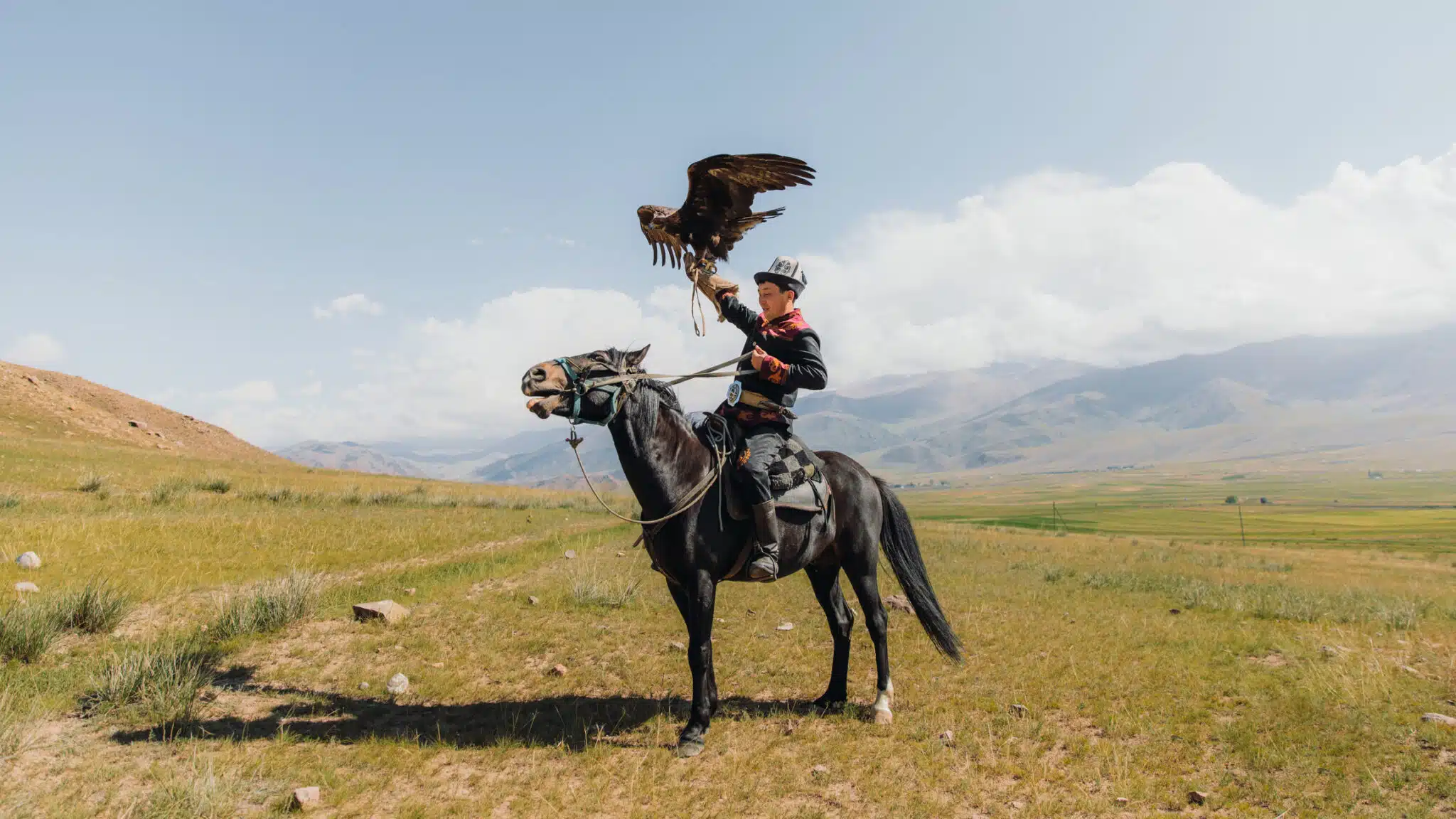
The Talking Kyrgyz Phrasebook
The Talking Phrasebook Series presents useful phrases and words in side-by-side translation and with audio files specifically geared to help students work on listening skills and pronunciation. Below, you will find several useful phrases and words. To the left is the English and to the above right is an English transliteration of the Kyrgyz translation. […]

The Talking Polish Phrasebook
The Talking Phrasebook Series presents useful phrases and words in side-by-side translation and with audio files specifically geared to help students work on listening skills and pronunciation. Each entry below, divided by category, features an English word or phrase in the left column and its Polish translation in the right. In the center column for […]
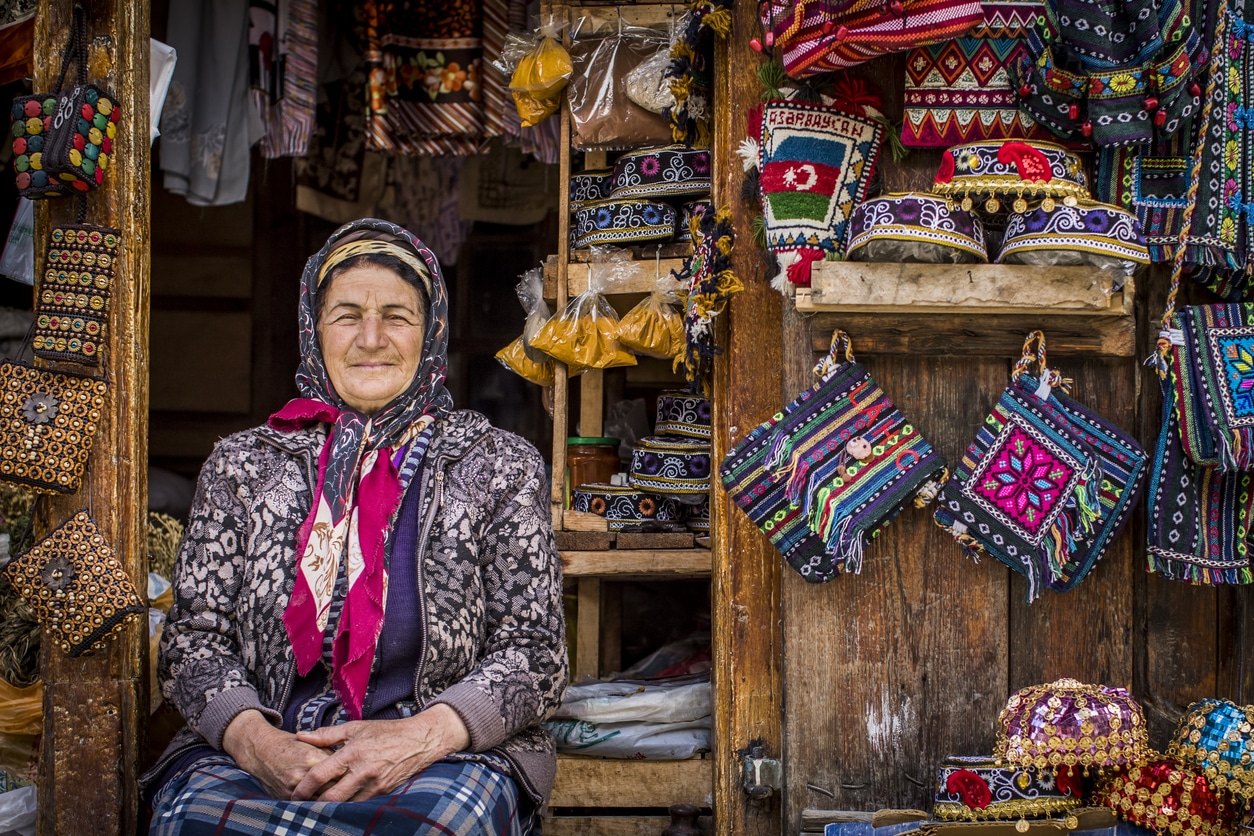
The Talking Azerbaijani Phrasebook
The Talking Phrasebook Series presents useful phrases and words in side-by-side translation and with audio files specifically geared to help students work on listening skills and pronunciation. Below, you will find several useful phrases and words. To the left is the English and to the far right is the Azerbaijani translation. In the center column […]
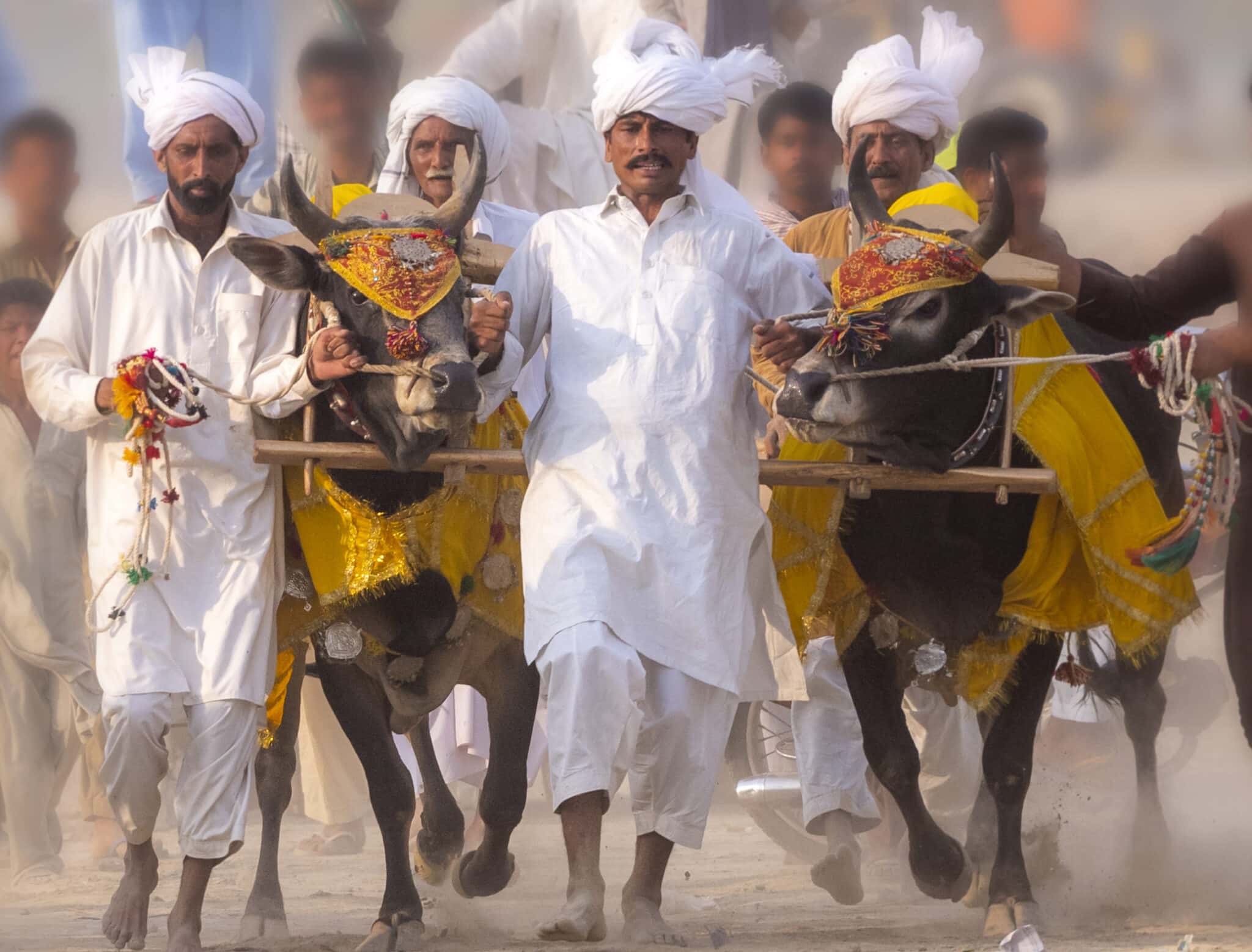
The Talking Punjabi Phrasebook
The Talking Phrasebook Series presents useful phrases and words in side-by-side translation and with audio files specifically geared to help students work on listening skills and pronunciation. Each entry below, divided by category, features an English word or phrase in the left column and its Punjabi translation in the right, presented in the original Punjabi […]
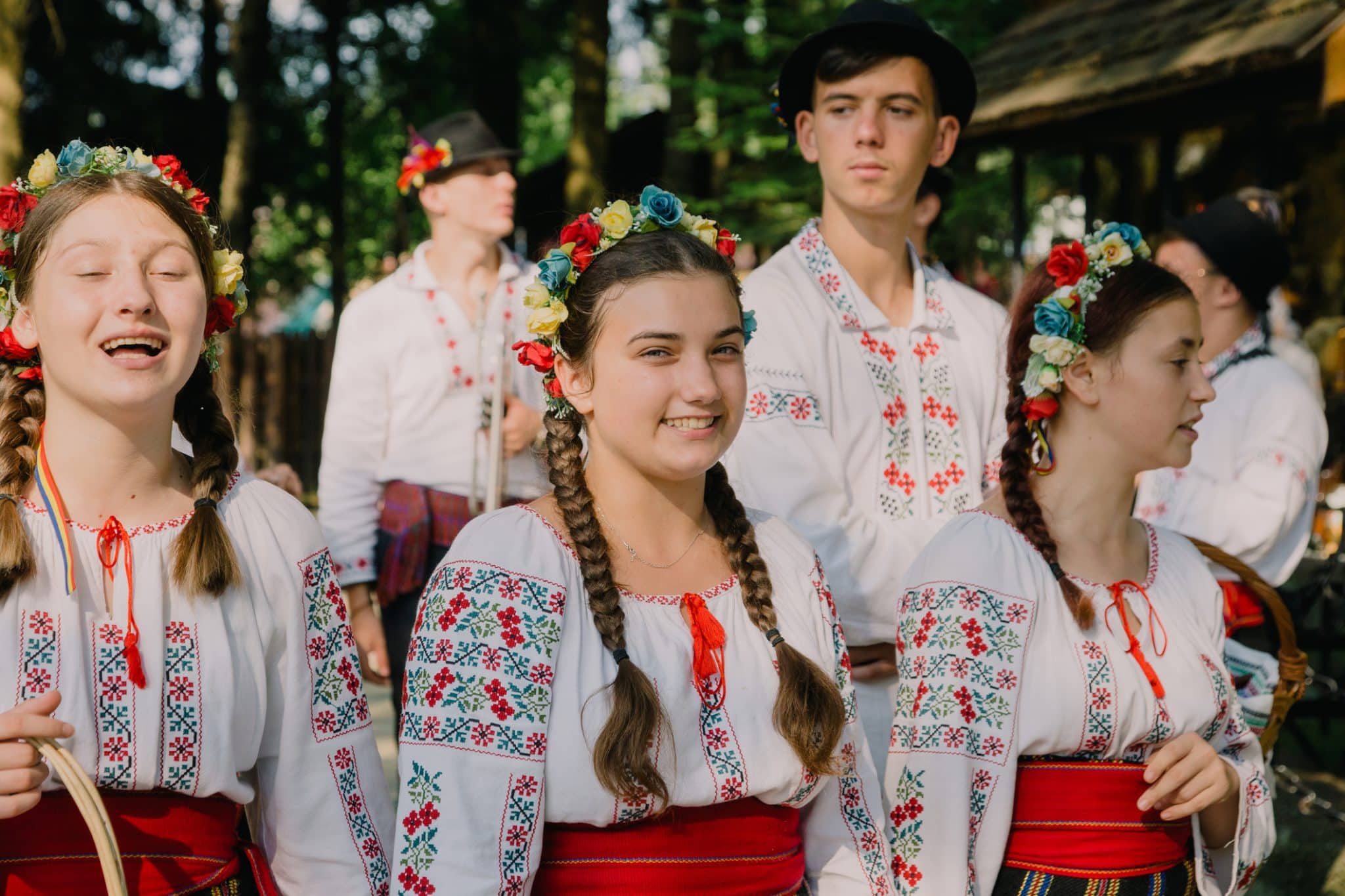
The Talking Romanian (in Moldova) Phrasebook
The Talking Phrasebook Series presents useful phrases and words in side-by-side translation and with audio files specifically geared to help students work on listening skills and pronunciation. Below, you will find several useful phrases and words. To the left is the English and to the far right is the Romanian translation. In the center column […]