 Family of Sites
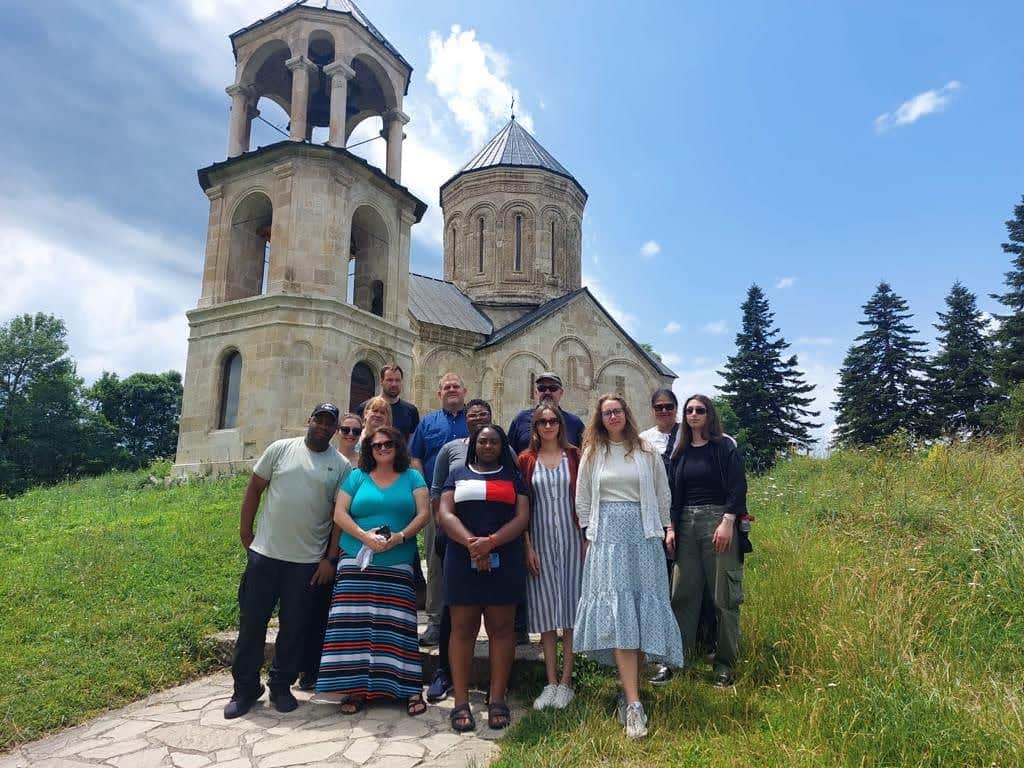
For more than seventeen centuries, sacred architecture has stood at the heart of Georgian culture, shaping the country’s landscape, history, and sense of identity. Visiting holy sites in Georgia is an excellent and imperative way to truly understand Georgia’s identity, history, and sense of faith.
Georgian churches are typically compact, stone-built structures crowned with conical domes. They are inspired by Byzantine influence but also have been heavily localized in style, in part due to the demands of the mountainous terrain and remote locations they are often built in. Their restrained exteriors contrast with interiors richly decorated with icons and inscriptions.
The Georgian Church has played a large role in preserving Georgian language, culture, and collective memory through periods of foreign rule and political upheaval. These monasteries are not only places of worship, but also centers of learning, manuscript production, and refuge. To experience them is to come closer to understanding how a culture can endure even after centuries of colonization and foreign influence.
Sameba Holy Trinity Cathedral
Text by Nathan O’Hara
Abroad in 2024
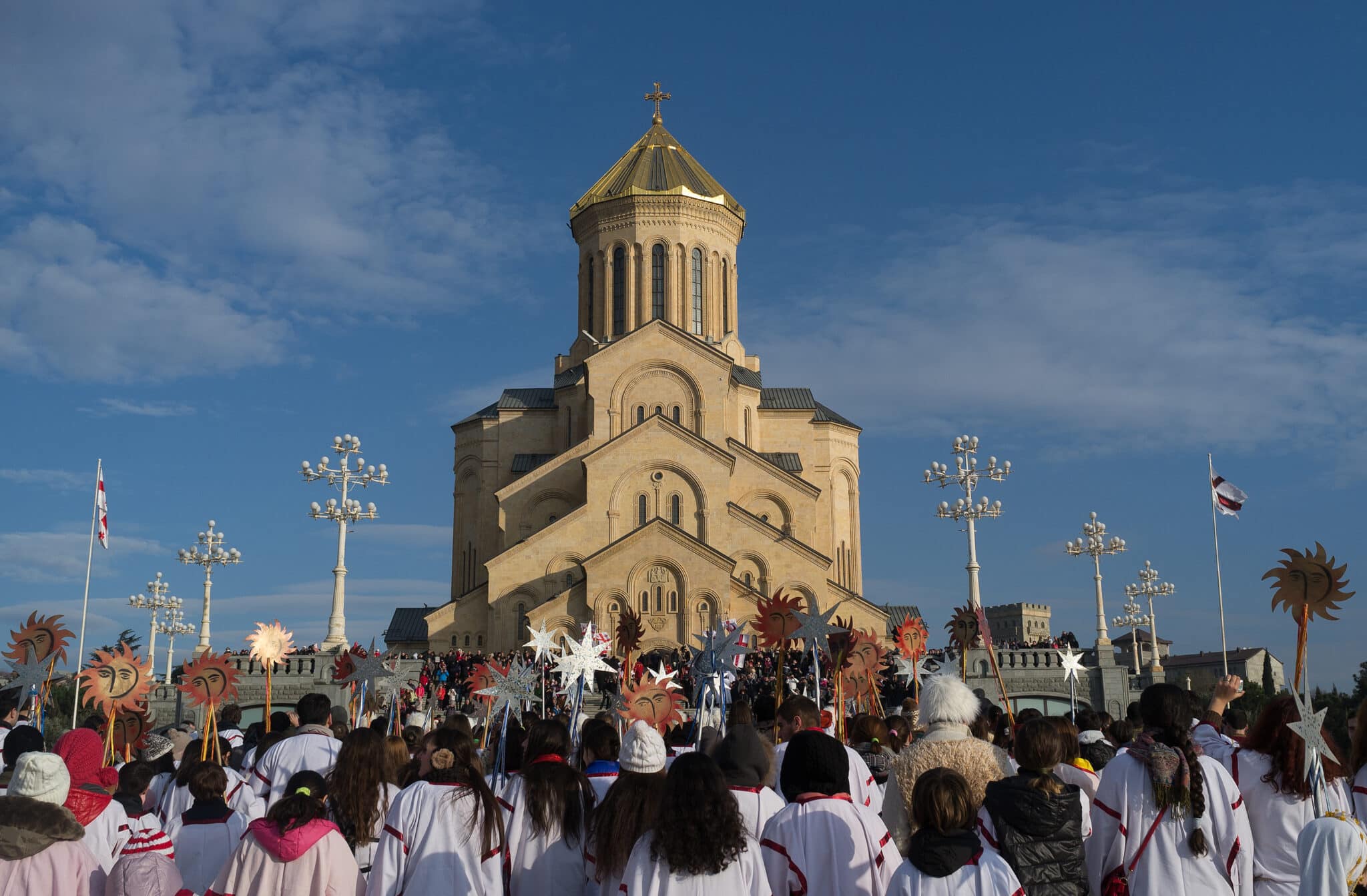
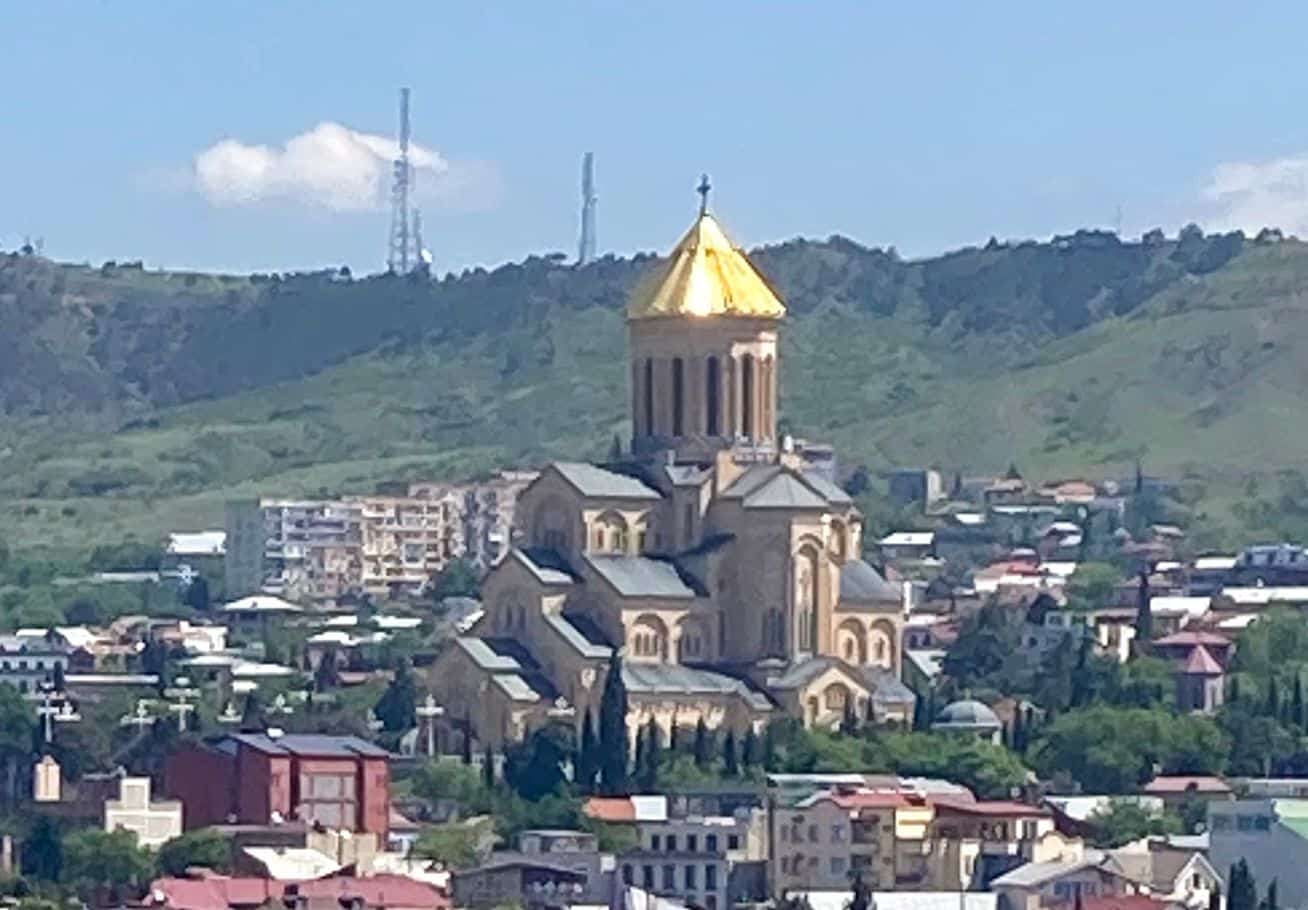
If one has a clear view of the skyline in central Tbilisi, it’s hard to miss the towering figure of the Holy Trinity Cathedral. Better known locally as Sameba, the cathedral is an architectural marvel – the tallest church in Georgia and the third-tallest Eastern Orthodox church in the world. Today it is a symbol of Georgia’s post-Soviet national and religious revival. Despite the significance of the cathedral, its history is recent. Read the full article on this site.
4 Georgian Churches: A Photo Essay
Text and Pictures by Alexandra Koteva
Abroad in 2022
While studying abroad in Georgia, we visited many fascinating churches. Georgia’s Orthodox Church is among the oldest in the world, so the cathedrals have extensive histories and hold an important place in the country’s Orthodox culture. In addition, the unique architecture gives each church a special ambience and beauty. The following cathedrals were some of my favorite among the ones we visited.
Svetitskhoveli Cathedral
Completed: 1029
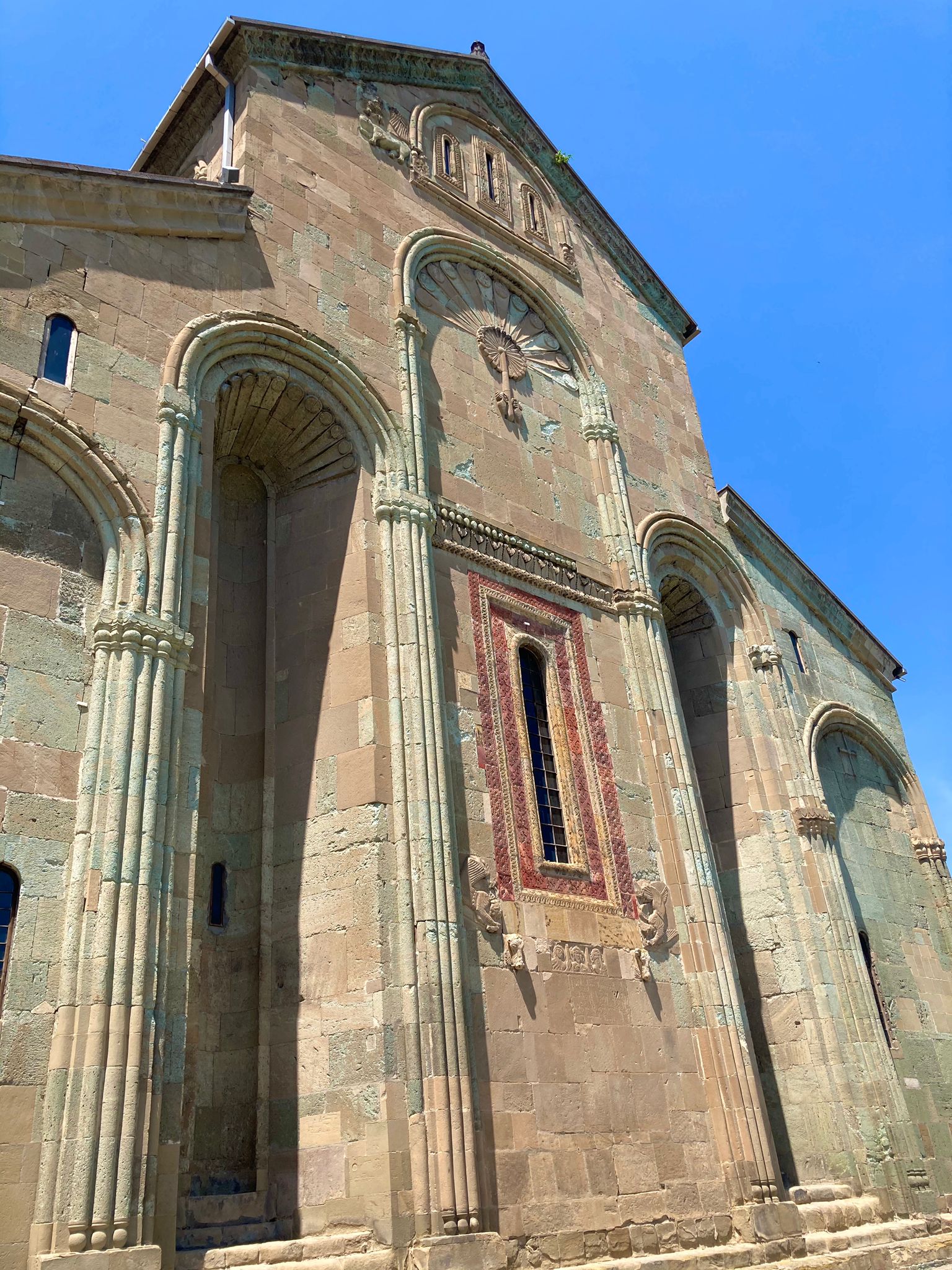
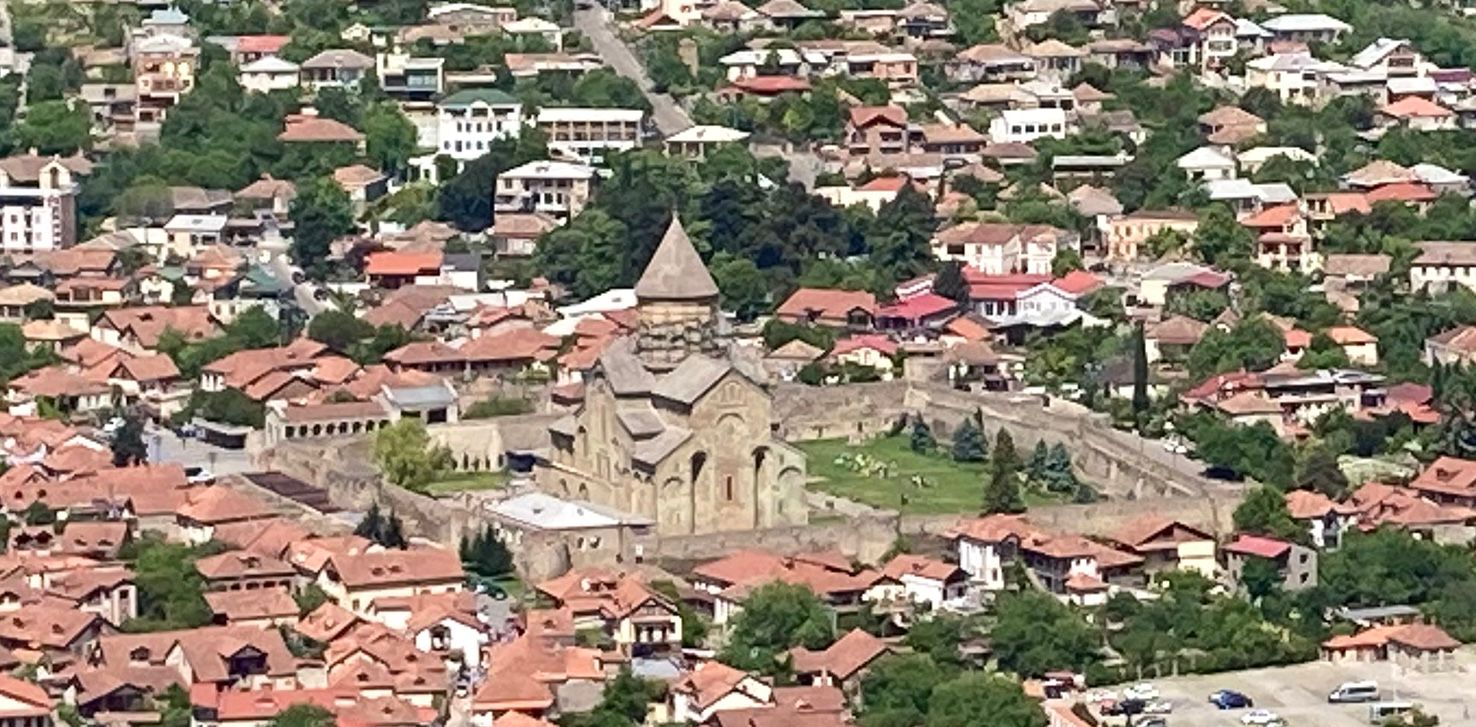
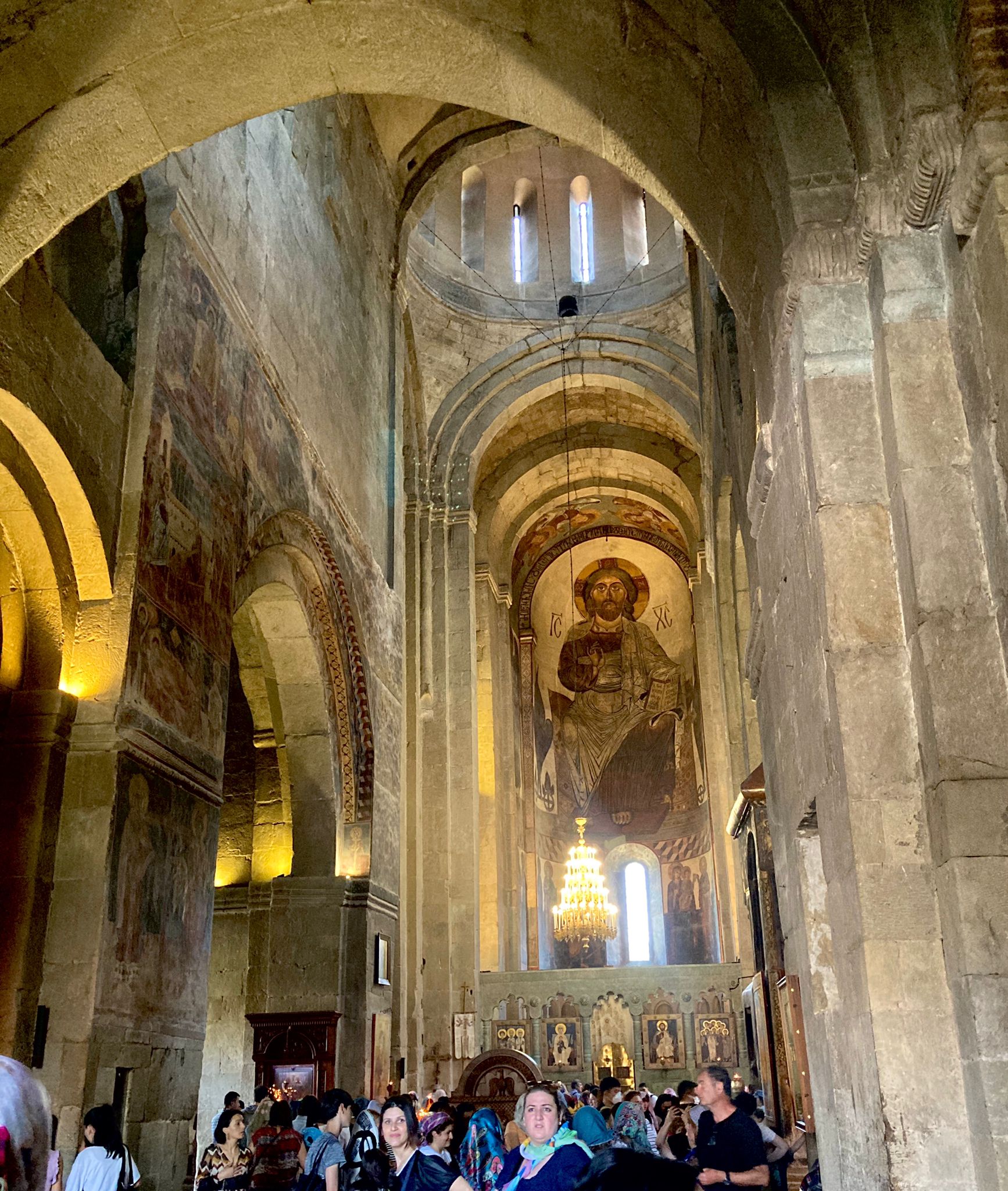
Svetitskhoveli Cathedral is recognized as one of the most significant Orthodox Churches in Georgia. It is located in one of the country’s oldest cities and former capital, Mtskheta. Under the direction of St. Nino, King Mirian began construction on the cathedral in the early 11th century, completing it in 1029. This original church was a sizable achievement for its time, but unfortunately it did not survive. The grounds and framework of the church have been repaired and restored several times since its original completion due to external factors such as earthquakes (13th century) and invasions (14th century). Over the years, the cathedral also became the burial site for many Georgian kings. It is currently recognized as a UNESCO World Heritage Site and is so important to the Georgian faith that there is a special national holiday devoted to it.
Metekhi Cathedral
Built: 6th Century
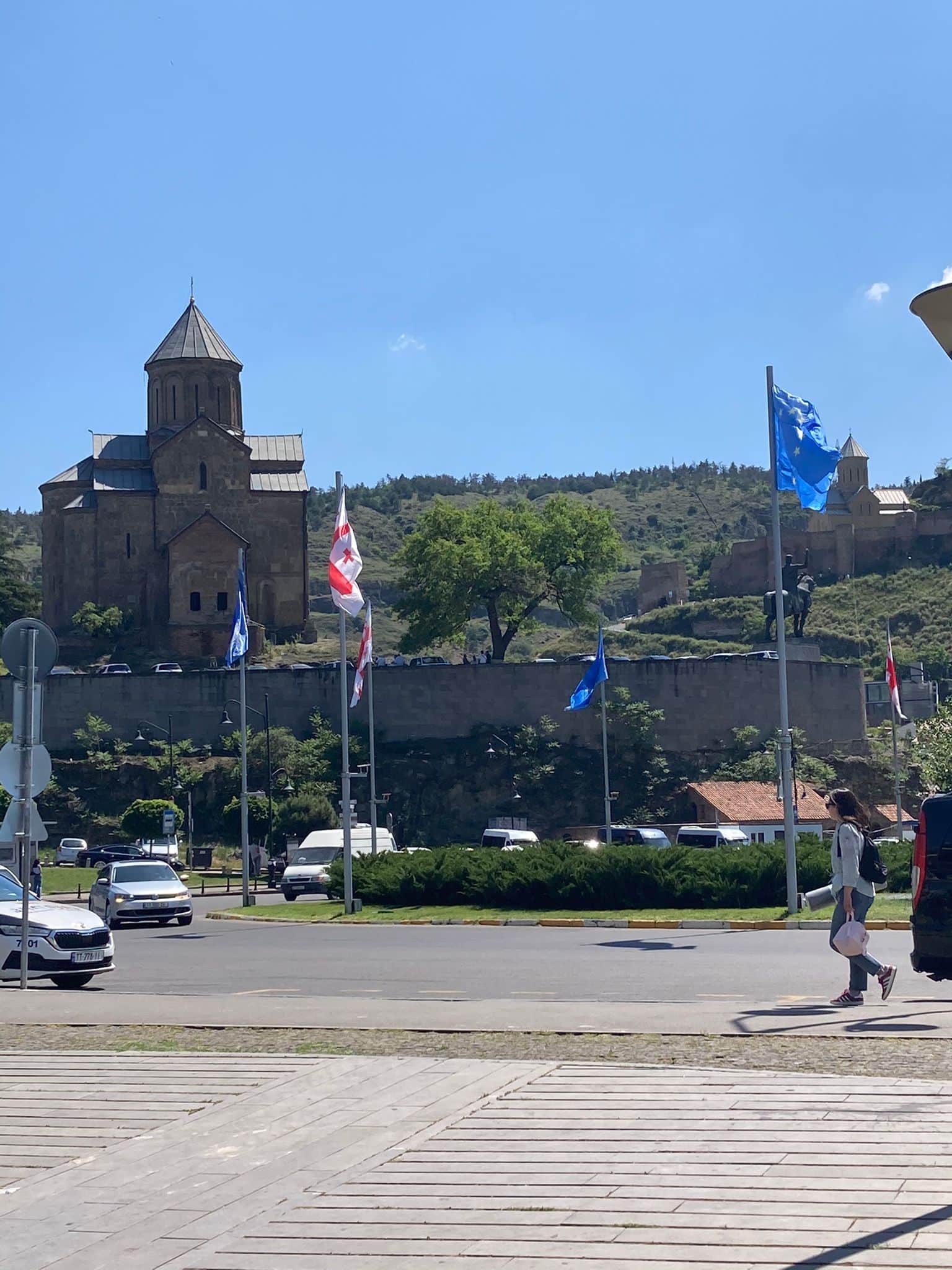
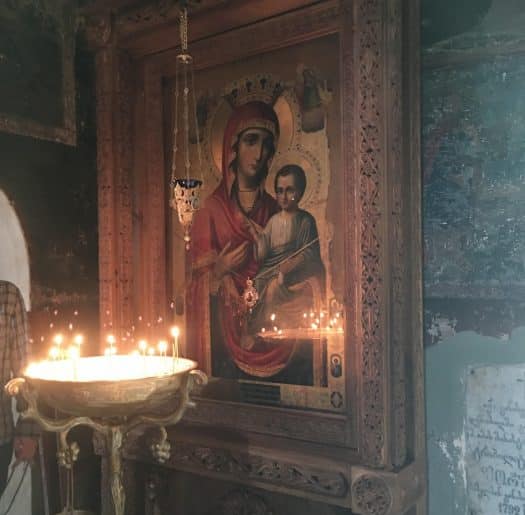
Metekhi Cathedral is one of Tbilisi’s oldest churches (6th century) and is situated on the left side of the Mtkvari River. Its name comes from the icon of the Mother of God of Metekhi in the church. The cathedral’s main sanctuary holds the tomb of St. Shushanik, an Armenian holy queen and martyr. Her remains were transferred to Metekhi at the beginning of the 7th century when the Armenian and Georgian churches split. According to legend, Abo, the patron saint of Tbilisi, was tortured at Metekhi rock where a small church was later erected in his honor.
Bodbe Monastery
Founded: 4th Century
Completed: 17th Century
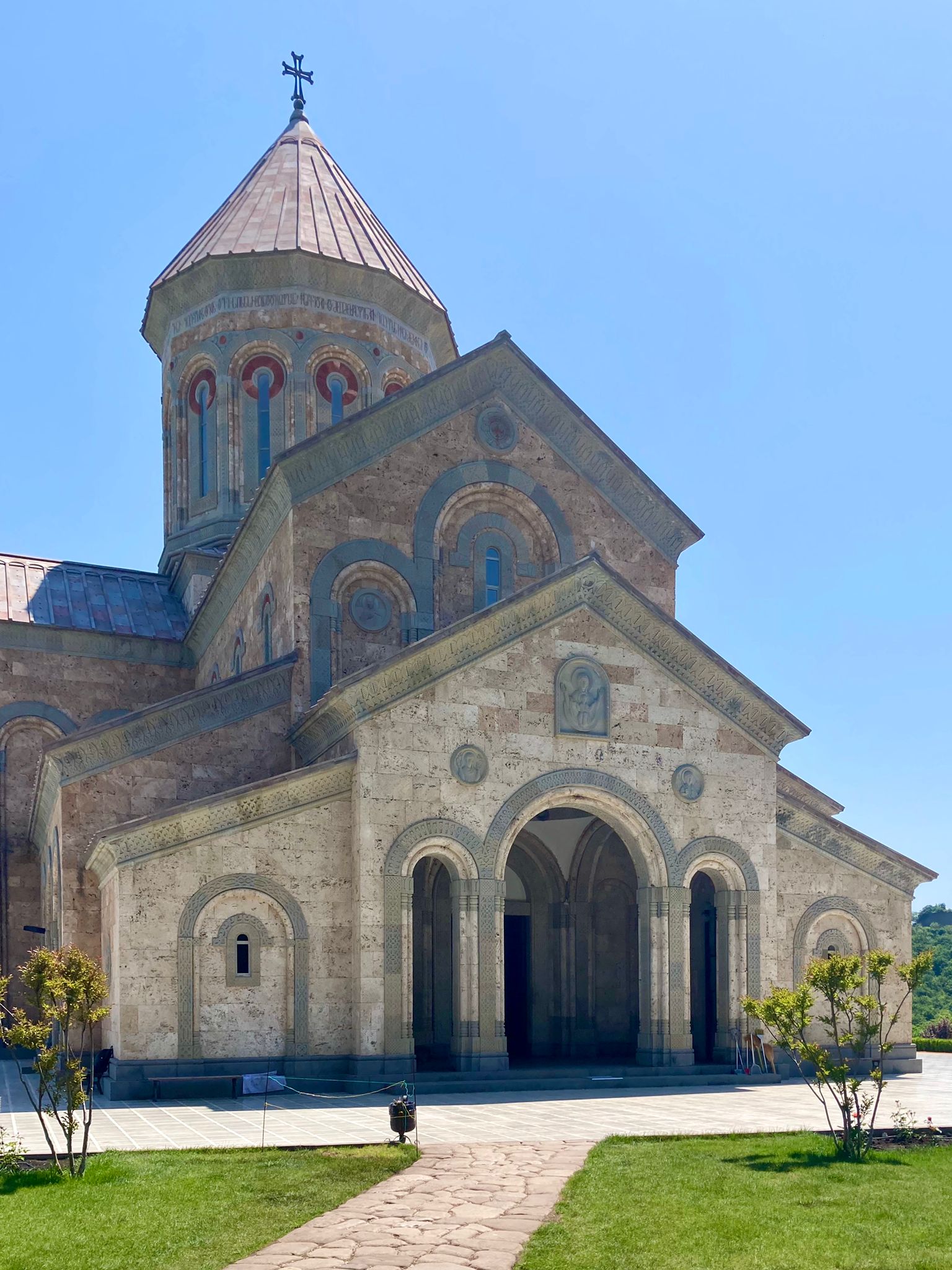
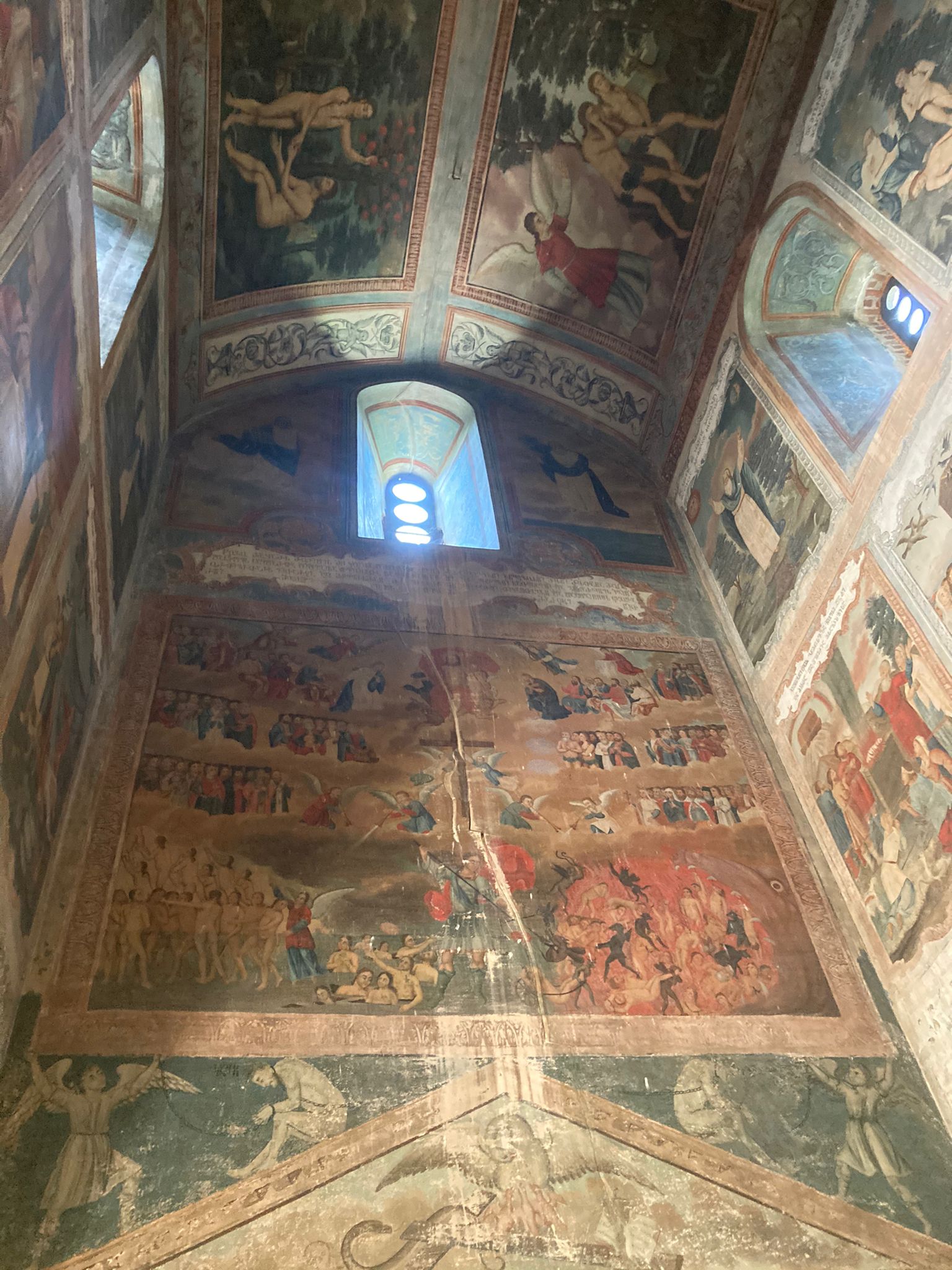
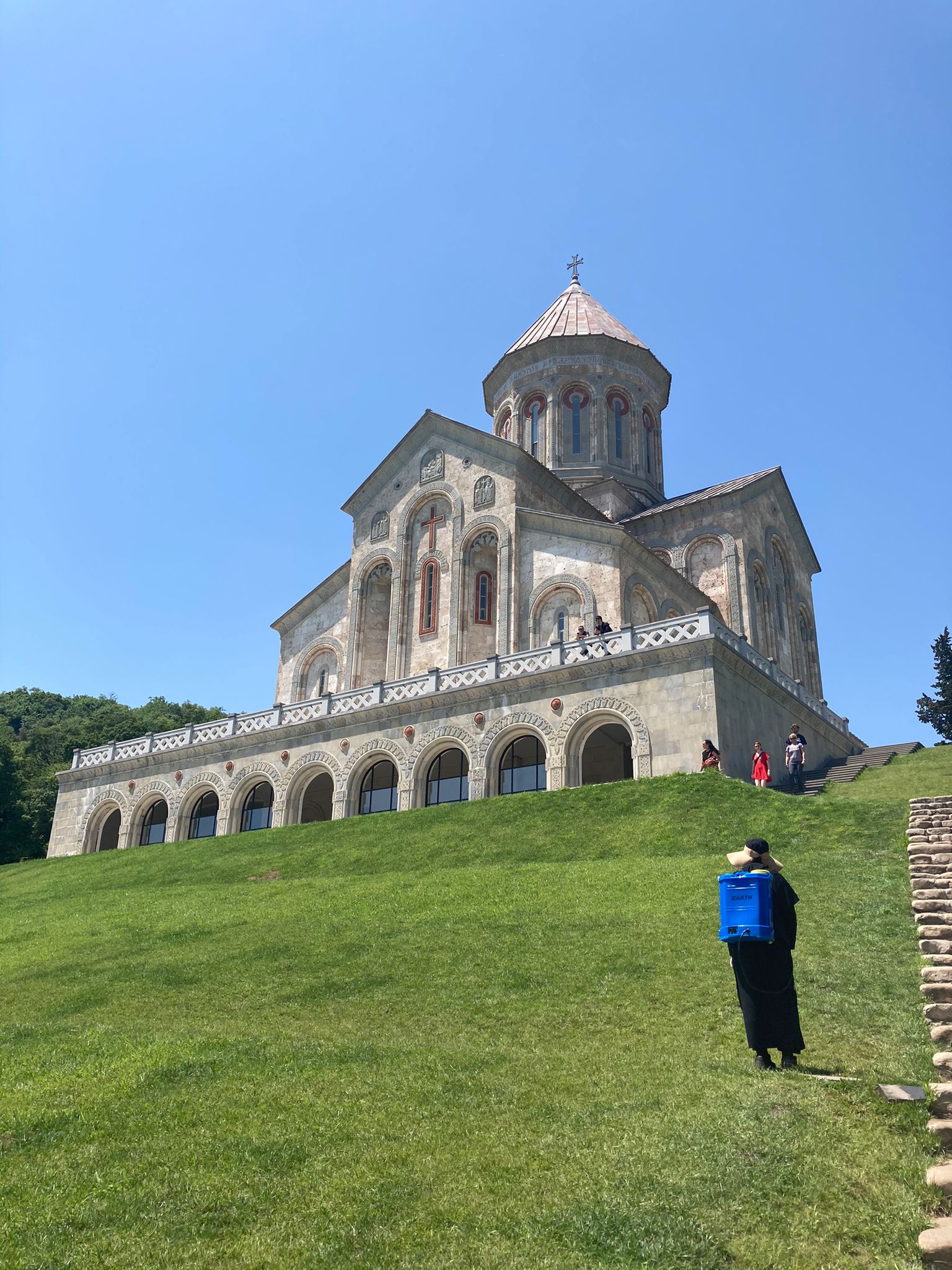
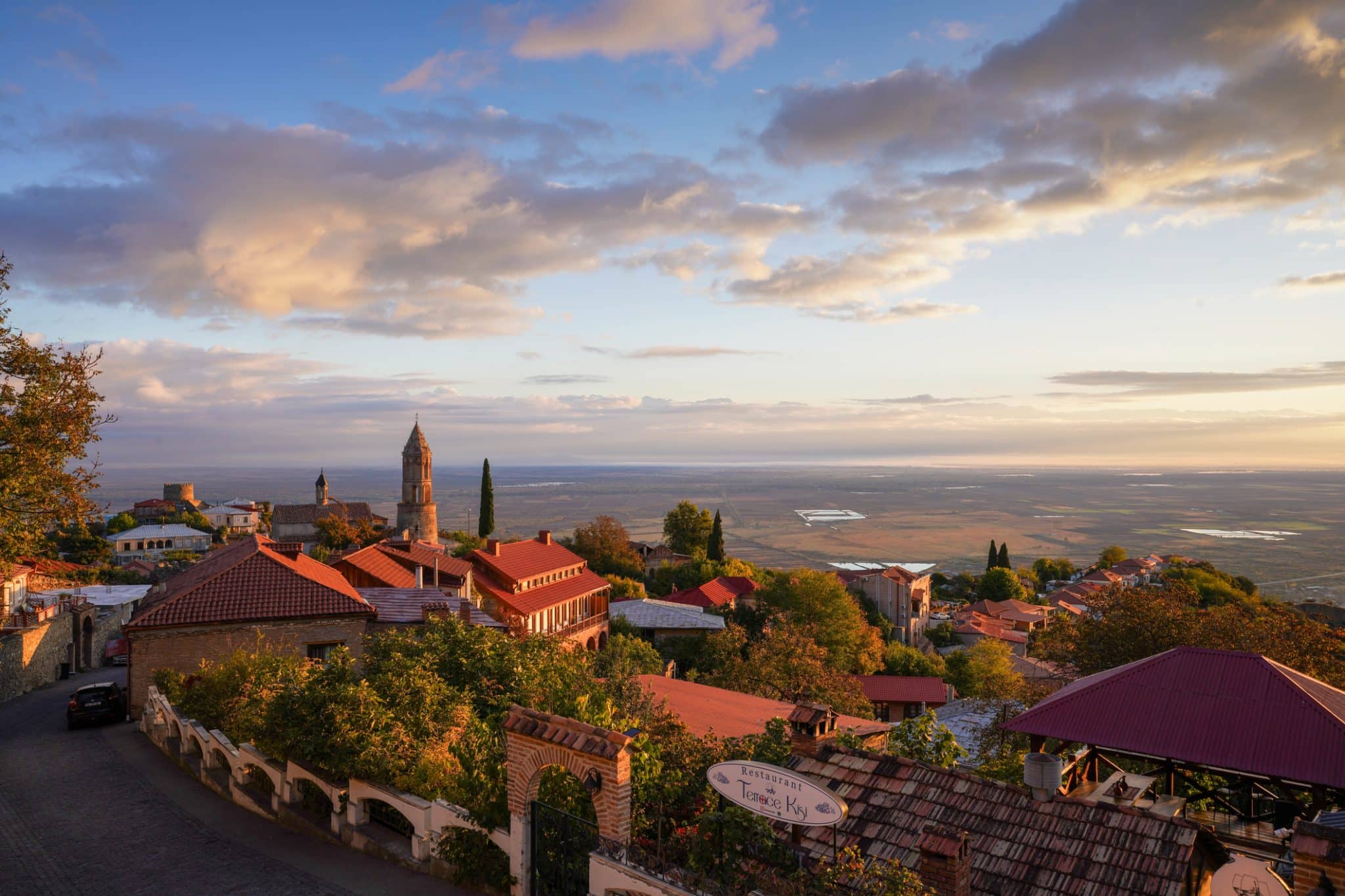
Bodbe Monastery of St. Nino in Kakheti, Sighnaghi, was built on the burial site of Saint Nino, the young woman credited with converting Georgia and one of Georgia’s most important and revered saints. Nino traveled to Bodbe to put a cross there, and she continued living in the region until her death. The monastery was built to house her grave. As a result, it quickly became a religious and cultural center for the Kakheti region. Kakhetian kings were crowned here, and there was a school for painting and needlework. The church of St. Nino was rebuilt in its place given that the original monastery was destroyed during the Bolshevik invasion. Adjacent stands the church of St. George of the 9th century. This temple is built in the Russian-European style and is covered in frescoes. Pilgrims visit the monastery annually on January 14 to worship St. Nino as well as drink water and bathe from the holy springs. See below for a story about an SRAS student experiencing that pilgrimage.
Bagrati Cathedral
Completed: 1003
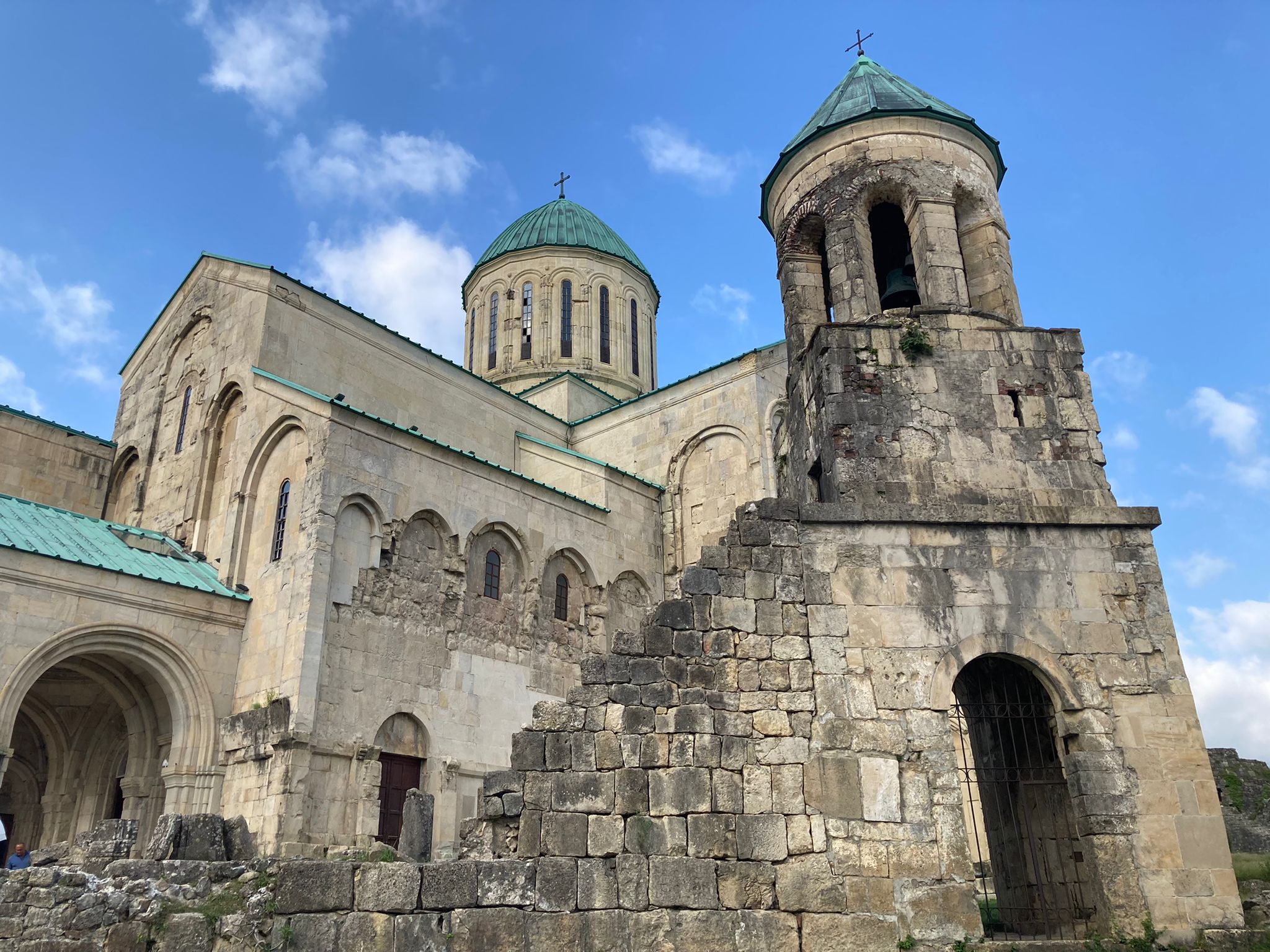
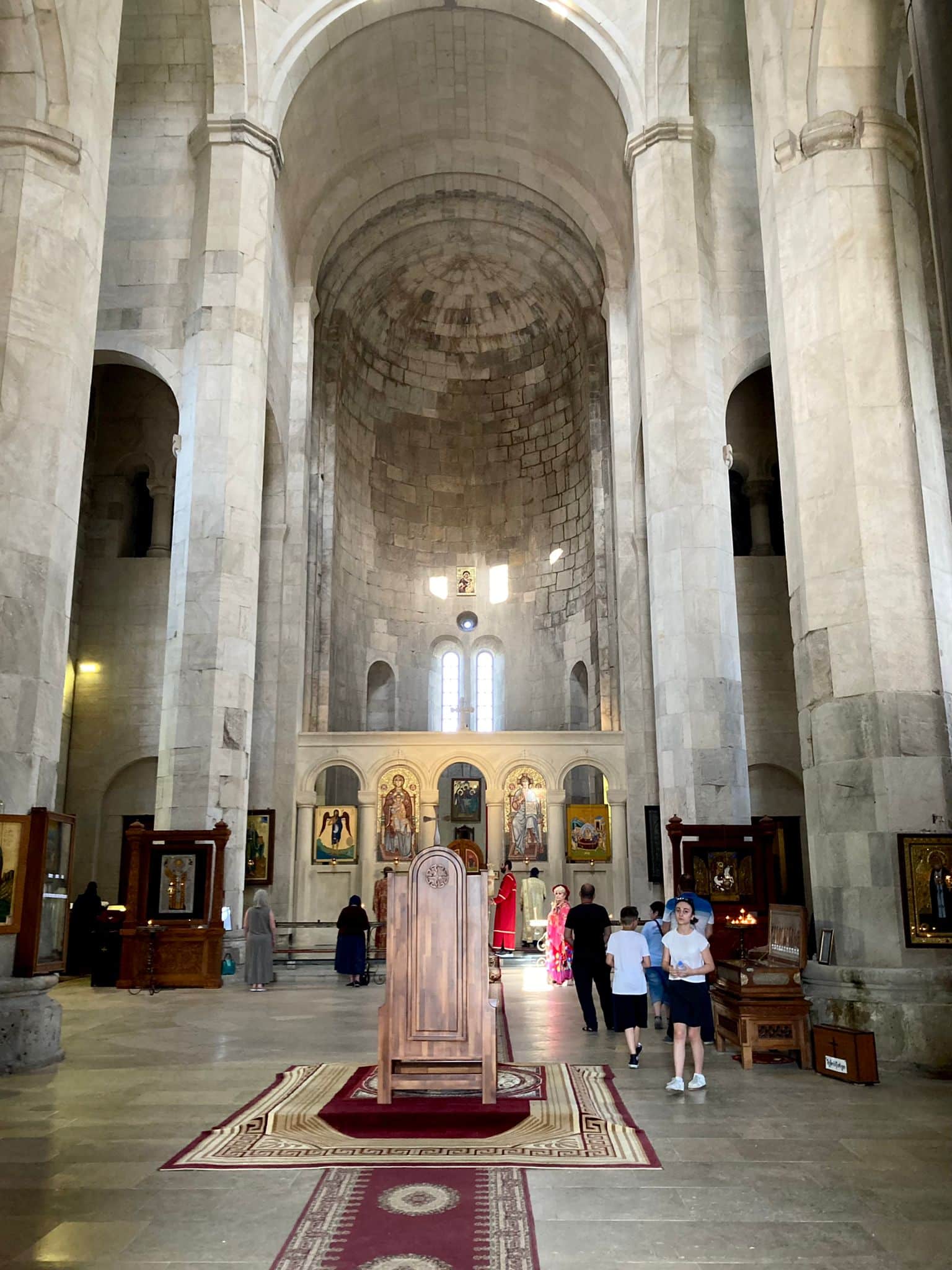
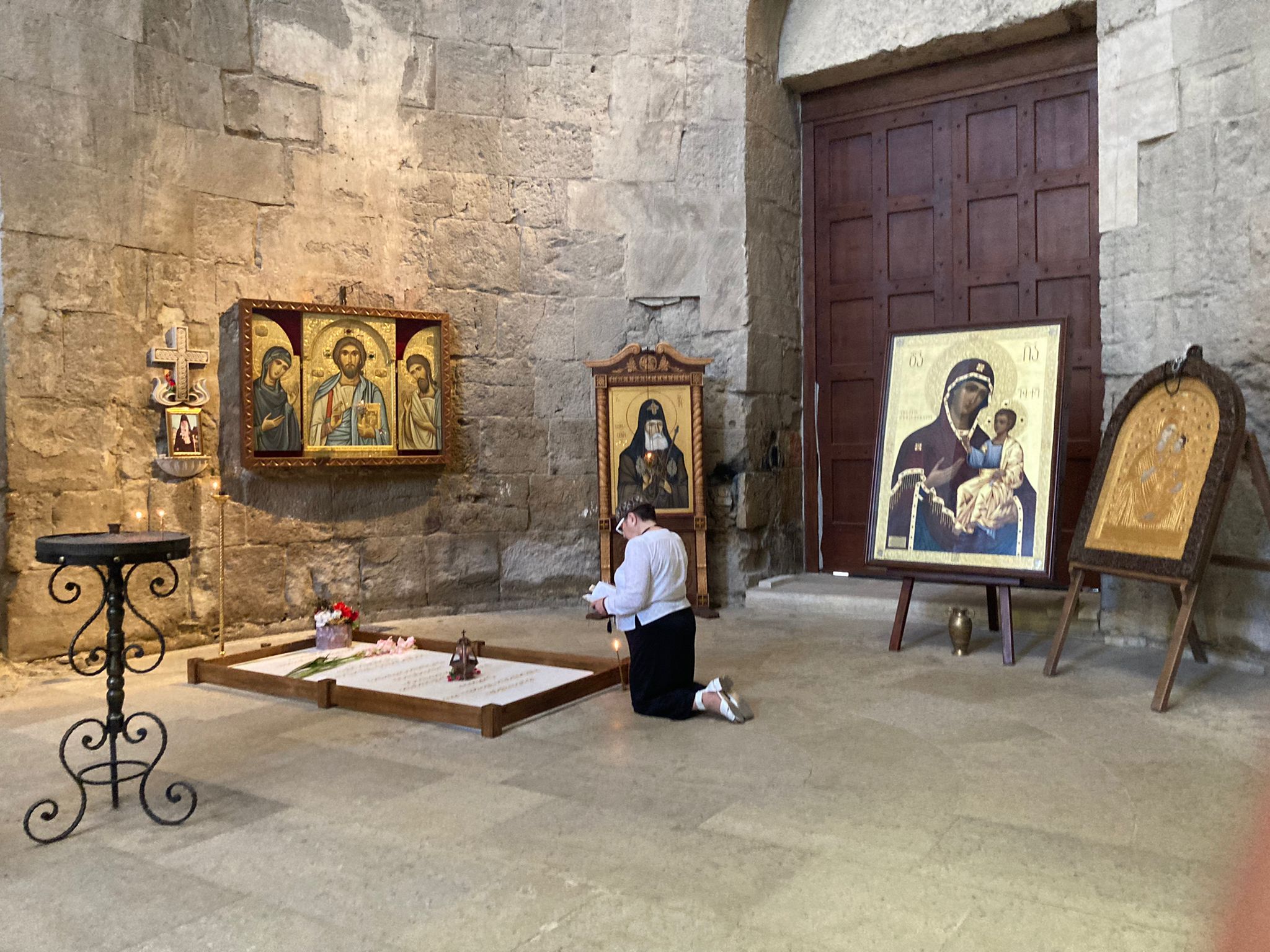
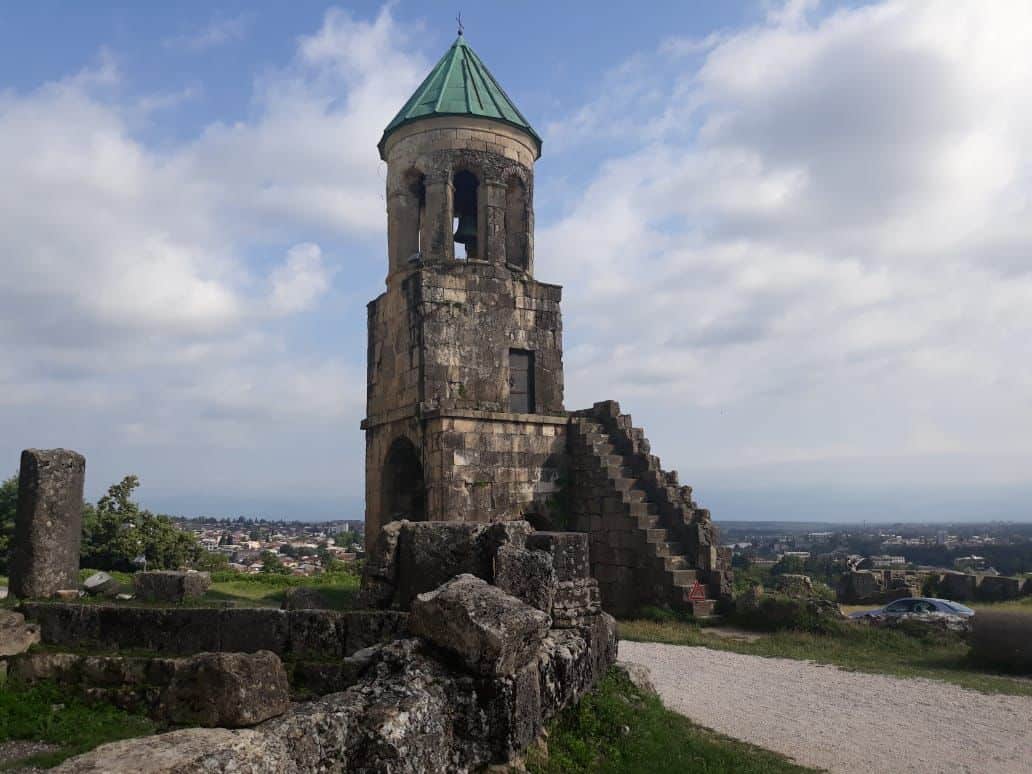
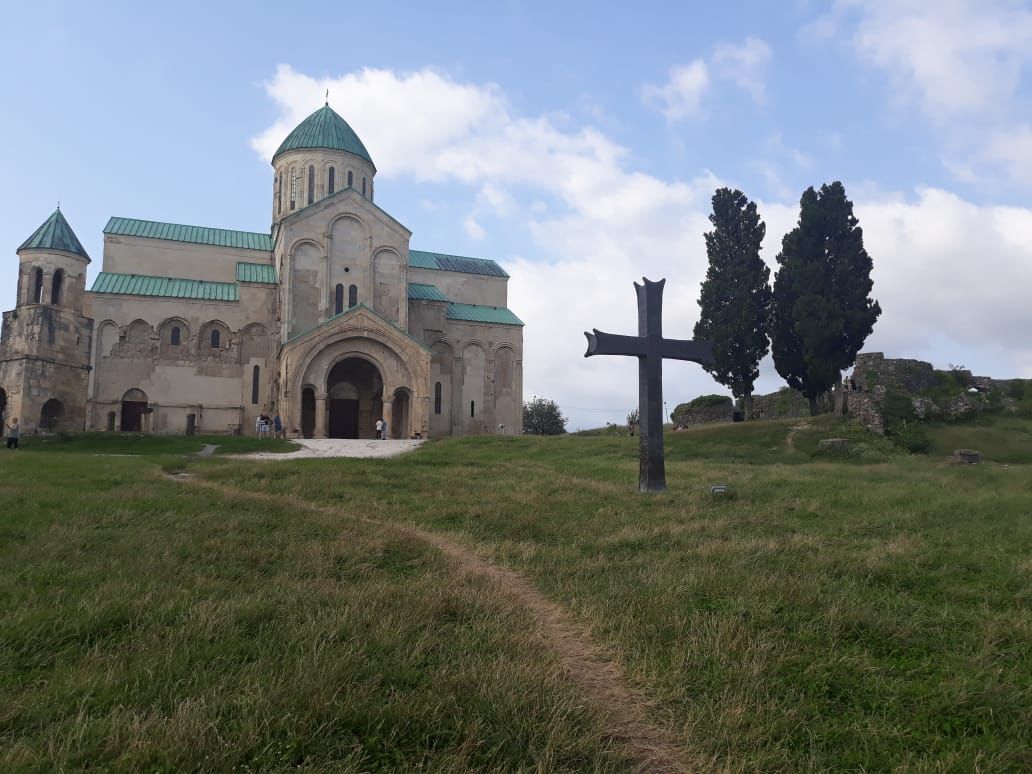
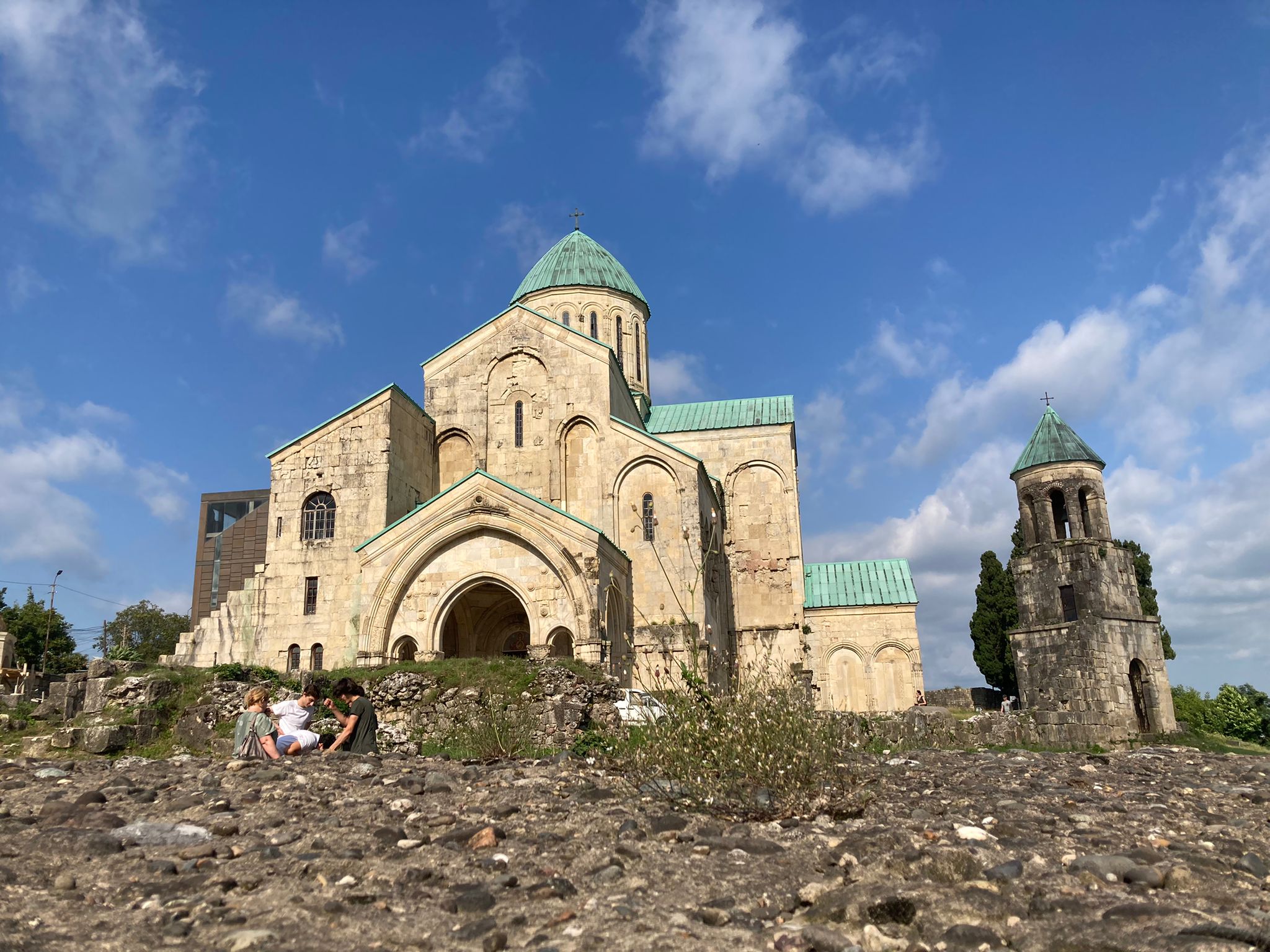
Bagrati Cathedral sits proudly on the hill of Ukimerioni and overlooks the city of Kutaisi. It was built in 1003 and was consecrated in honor of the Assumption of the Virgin Mary. During the cathedral’s construction, Bagrat III ruled as united Georgia’s first king, and therefore the church has come to be an important symbol of unity and strength. The north and south arms of the building extend out as part of a cross architectural plan, and the interior walls and floors are decorated with mosaics.
Pilgrimage to the Monastery of Saint Nino at Bodbe in Georgia
Text by Charlie Bacsik
Abroad in 2017
During my first week in Georgia, my classmates and I took a trip out to Sighnaghi, roughly a two-hour drive from Tbilisi, the Georgian capital. There, we visited the Monastery of Saint Nino at Bodbe, which was built in the 9th century and renovated extensively in the 17th century. Saint Nino, who began preaching Christianity in Georgia in the 4th century, is one of the most respected and honored saints of the Georgian Orthodox Church. The Bodbe Monastery currently serves as a nunnery, as well as a shrine for the relics of Saint Nino.
When visiting the Monastery of Saint Nino, guests have the opportunity to receive a symbolic blessing by dipping into a bath of holy water. My classmates and I decided to participate in this tradition, and started our trek down the hill’s 667 steps to the natural spring where this activity takes place. Once we got there, I was surprised when we were told we would need to remove all articles of clothing and dress only in a white cotton gown for the bath.
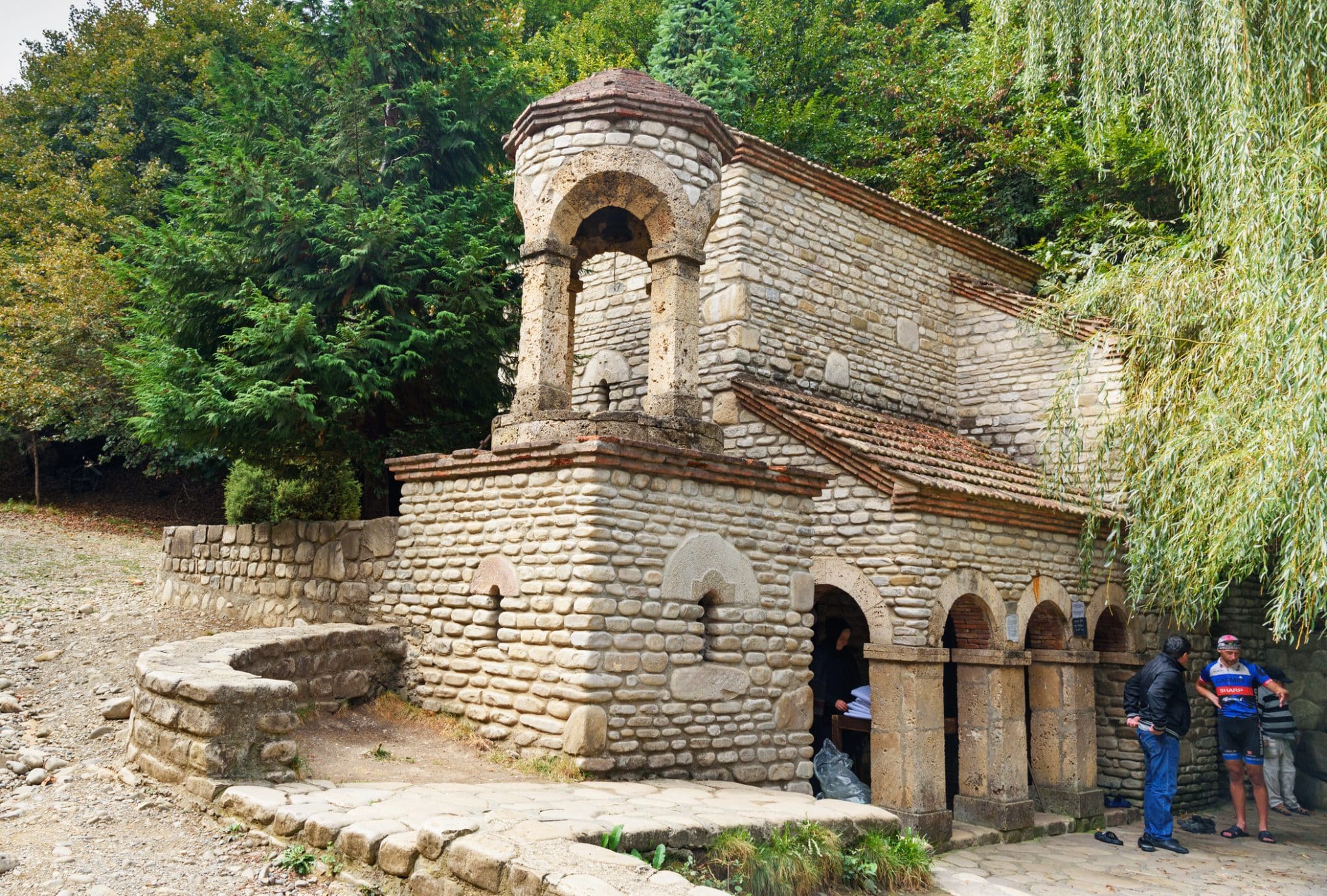
You purchase a gown (sold on site for 10 Lari, or about $4.15 at the time we bought ours) and then wait in line to enter a small, dark room the size of a walk-in closet, to get changed. The gown takes the blessing as well, so if you ever become ill, you can sleep in the gown to heal your illness. After your gown is on and your hair is let down, it comes time to brace yourself for the very cold water (and, trust me, the water is coooold). The small bath is in the shape of a semi-circle, and has steps and railings to assist you in stepping down into the water. The water comes up to your belly, so you have to proceed to dunk your entire body into the water and then climb out. The ritual requires you to repeat this process three times. The kind nuns assist you throughout the process and will give you a baggie in which to place your wet gown when you get changed again and prepare to hike back up those 667 steps.
My visit to the Bodbe Monastery was certainly one of my favorite excursions in Georgia. I have a particularly strong interest in ancient holy sites, so this monastery was a perfect way to spend my afternoon.